

What's The Fastest Speed You Can Legally Drive On A Dirt Road? It Depends
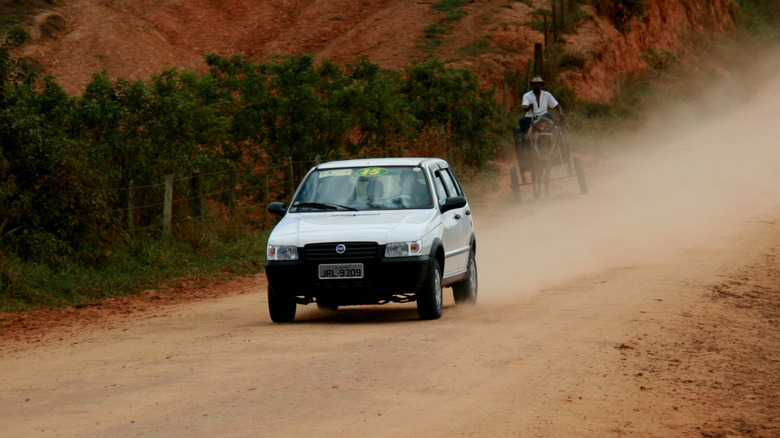
Maintaining a safe speed limit is important, even if you're setting out on your first 4x4 off-road adventure. When it comes to how fast you can go on dirt roads, the answer depends on where you live, as the legal speed limit could be 25, 35, 45, or even 55 mph or another posted limit. The reason for that has to do with how speed limits are regulated in the U.S.
The federal government does not set nationwide speed limits through the Federal Highway Administration (FHWA), or any other agency. For paved roads, highways, or dirt roads, posted speed limits are determined by states and local agencies. Because of this, there's no single standard legal speed for dirt roads across the country. For example, Alabama law restricts all non-paved county roads to a speed limit of 35 mph. The same is true for rural or rustic roads in Virginia. New Jersey restricts all vehicles on dirt roads under the jurisdiction of the State Park Service to 20 mph unless otherwise posted.
In contrast, North Carolina takes a different approach to statewide speed limits. Instead of establishing a separate speed limit for dirt roads, North Carolina generally sets the default limit outside towns and cities at 55 mph. However, that number can change if a different speed limit is posted. The North Carolina Department of Transportation can also adjust speed limits as needed for events such as roadway alignment, crash history, and everyday traffic speeds.
Safety tips for driving on a dirt road
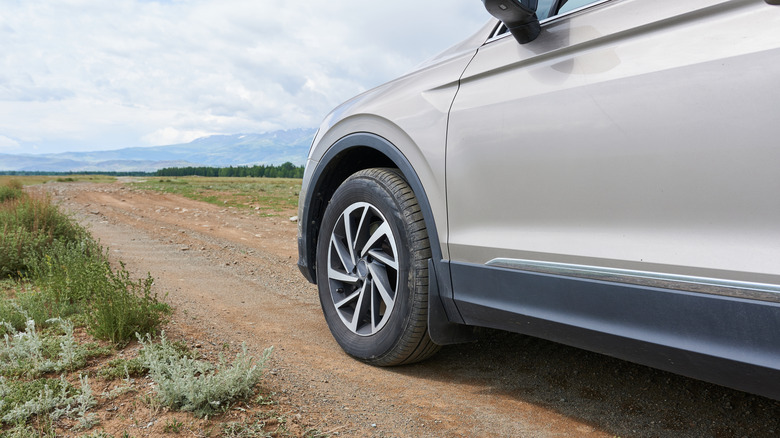
When a speed limit either needs to be established or adjusted for a dirt road, state and local transportation agencies typically conduct an engineering study. These studies account for factors such as visibility, road conditions, traffic speeds, and other safety concerns. Once all of the necessary information is examined, officials can then determine whether a speed limit should be changed or if the existing limit is still suitable for that road.
Regardless of the posted speed limit, you should always adjust your speed based on the conditions of the road. This is especially true if there isn't a speed limit sign anywhere in sight. Unpaved roads can vary from well-maintained surfaces to rough and uneven conditions that might impact how well you can control your vehicle. In those cases, it's best to take your time and use common sense while driving.
It's also important to remember that dirt roads are not always the same from one day to the next, and some road surfaces have less traction than others. For example, bad weather like rain and snow can create muddy conditions, potentially causing your car to slide or even get stuck. In contrast, dust can kick up on a dry and windy day, reducing visibility. The number of vehicles on the road can also create issues, which is why you should leave some extra space and decrease your speed as needed.