

What Is Rated Wind Speed For A Wind Turbine And Why Is It So Important?
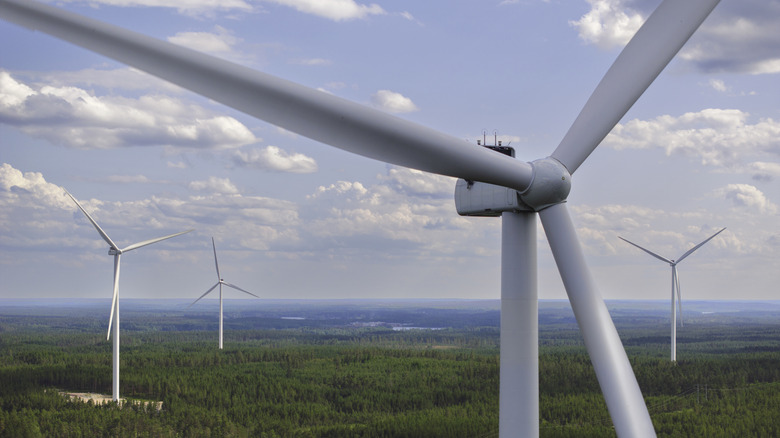
Wind turbines turn flowing air into electricity, but how much can be difficult to predict. A good starting point is to determine a wind turbine's efficiency by its rated wind speed.
This refers to the wind speed required to generate a wind turbine's maximum power output without overworking its components, like the blades and generators. Engineers need to understand a wind turbine's rated wind speed to ensure it is operating as expected without impacting its durability and reliability (they should be able to last 30 years with proper maintenance). On top of ensuring structural integrity, wind turbines should also have the proper rated wind speed to reduce noise.
Rated wind speed also determines if it can consistently produce more electricity, leading to higher revenue. The usual range is between 11 and 15 meters per second, but this is often considered the peak production — you may want to use power curves to estimate a more realistic output, which is how much electricity the wind turbine produces at given wind speeds. You can then calculate how much electricity will be produced at that average wind speed.
What can impact a wind turbine's rated wind speed?
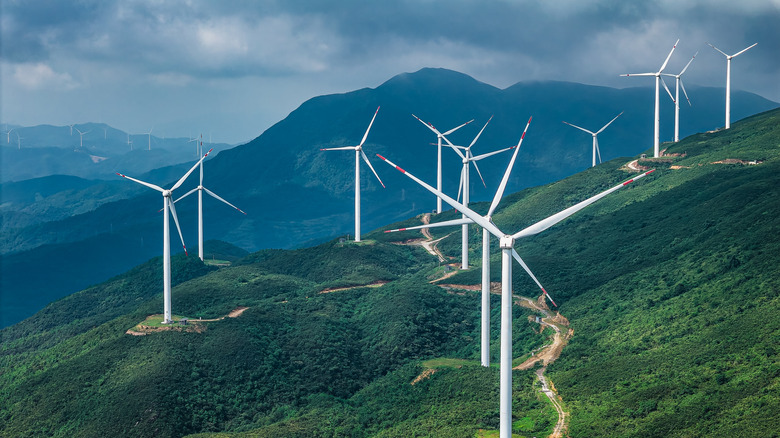
The rated wind speed of a wind turbine can be impacted by a lot of factors. First, you should consider the turbine's size and components. A turbine's blades will impact the rated wind speed. For example, longer blades can capture more wind energy at lower spinning speeds. The Department of Energy has stated that "the bigger the better" is true for wind turbines, "since they can sweep more area, capture more wind, and produce more electricity." Some wind turbines are getting quite large.
The wind turbine may also have some technological upgrades. Certain materials and control systems may make a wind turbine more efficient. Different blade designs could be more aerodynamic, allowing the wind to travel over the curved side and then under the flatter side, creating a pressure pattern that creates more lift. The Department of Energy has worked on longer, lighter blades, as well as tall towers and upgraded drivetrains and control systems.
The wind turbine's location can also impact rated wind speed. Every area has a different average wind speed — and wind turbines should be designed to work with the wind conditions. Naturally, a location with higher wind speeds needs wind turbines with a higher rated wind speed to take create the most electricity possible.