

How Russians Are Modding Their Cars To Run Without Gasoline During Fuel Shortage
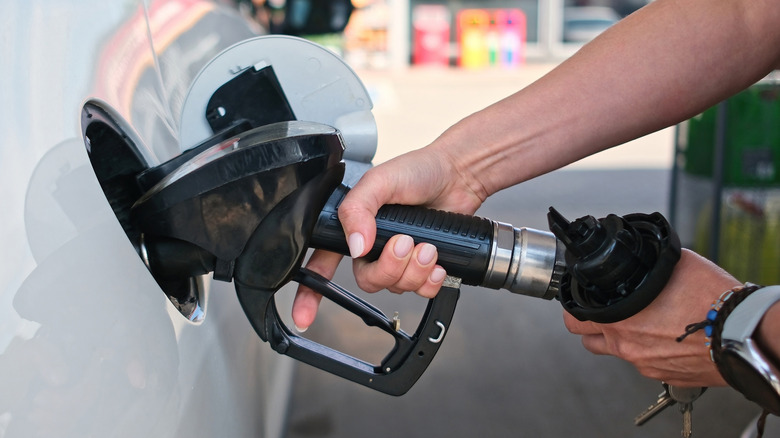
With high prices and fuel shortages an increasingly common reality the world over, saving money on fuel without compromising on the ability to get around is crucial. Thus, unconventional workarounds have emerged, such as Russians turning to LPG — liquified petroleum gas — to power their daily drivers in the face of fuel supply disruptions. This is one of several alternative fuel types out there, comprised predominantly of propane and butane, and has historically been used for a variety of purposes, including transportation, cooking, and heating.
To drive on LPG, vehicles either need to be built for it or be professionally modified to use it safely. The conversion process currently gaining popularity in Russia entails installing an LPG-specific fuel system, which includes an LPG tank, hoses, and a vaporizer. The main appeal of LPG is that it's often half the price or cheaper than traditional gas. It's a greener fuel than regular gasoline, too, though it produces slightly more CO2 emissions than diesel and natural gas. LPG is also preferred for its lower levels of carbon and oil contamination, which result in prolonged engine life; the fact that it's vaporized before use also mitigates cold-start troubles. In short, LPG systems are less likely to incur drastic maintenance costs over a vehicle's life.
While there are plenty of benefits to converting to LPG, especially in situations — such as in Russia — where there are shortages of traditional gasoline. It's not a perfect solution, though, neither for Russians nor for drivers in general.
The current drawbacks of LPG
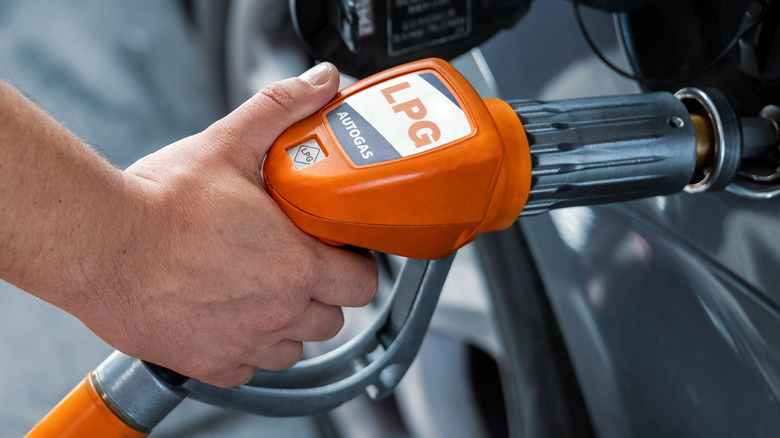
As viable a fuel alternative as LPG may seem in the face of Russia's gasoline shortage, there are real issues preventing mass uptake. Per Reuters, Russian companies offering LPG conversions, such as Garant-Gas and Medvedev GBO, have seen demand increase significantly since Ukrainian attacks on Russian refineries. This has led to a months-long waiting list as they wait for the equipment needed for LPG conversions.
On a broader scale, LPG is still hobbled by other issues. While it's cheaper, LPG offers worse fuel economy than traditional vehicle fuel due to a lower BTU. While the lower cost may offset that, there's also the matter of availability, as LPG fueling stations for the general public aren't nearly as common as regular gas stations. Additionally, much like gasoline, LPG is a non-renewable resource, so it is not a long-term solution.
LPG isn't one of the strangest or most surprising fuel sources, but it is still quite uncommon — and for good reason. While there has certainly been an uptick in Russia, it's reasonable to expect the fuel source to remain somewhat niche going forward.