

Sony RX10 IV Vs RX10 V: How Do These All-In-One Super Zoom Cameras Compare?
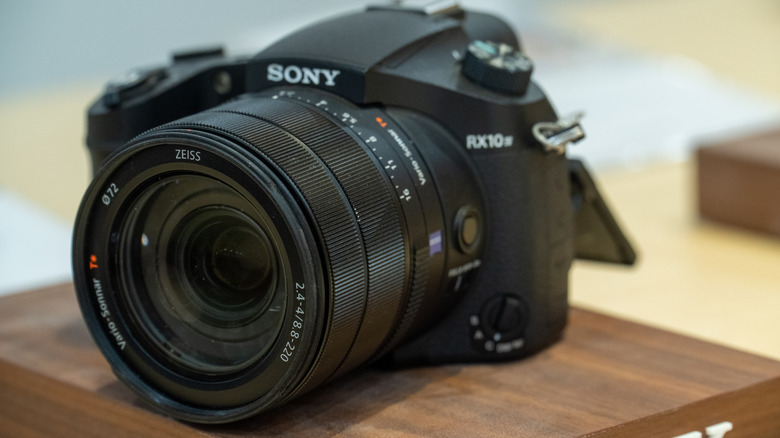
If you know your way around cameras, you are probably aware of the Sony RX10 IV super zoom camera. Introduced way back in 2017, it earned rave reviews from reviewers, consumers, and camera enthusiasts and is widely thought to be among the best premium bridge cameras ever made. Despite its massive popularity, Sony discontinued the RX10 IV in 2025. But just when everyone thought that was the end of the RX10 series, the company has surprised everyone with the launch of the Sony RX10 V. What is more remarkable is that this launch comes nearly a decade after the launch of the Sony RX10 IV in 2017. As expected of a successor, the fifth generation RX10 carries over several traits of its predecessor while also simultaneously offering significant upgrades.
Sony has unsurprisingly retained all the things that enthusiasts loved about the Sony RX10 IV — including the 20.1 MP 1-inch stacked CMOS sensor, the 24-600mm equivalent Zeiss 25x zoom lens, and the weather-resistant body. There are some glaring omissions as well, such as the removal of the flash module, and the absence of the 960 fps slow motion mode.
When Sony launched the previous generation RX10, it had a premium price tag of $1,700. Its successor is even more expensive at $2,299.99. Adjusted for inflation, the price is actually nearly the same. Still, for prospective buyers, splurging over $2,000 for a fixed lens superzoom camera may sound like a bit of a stretch. The RX10 V is expected to go on sale starting August 2026 and will be available at leading offline and online retailers across the U.S.
Faster autofocus, better video, and smarter shooting

Although the RX10 V carries over the same 20.1-megapixel 1-inch stacked CMOS sensor and the acclaimed 24-600mm equivalent zoom lens from the RX10 IV, Sony has significantly upgraded almost everything around it. To start with, the new camera gets Sony's newest BIONZ XR image processor, and pairs it with a dedicated AI processing unit — both borrowed from the company's newer Alpha series cameras. Together, they enable much more advanced subject recognition, and allow the camera to automatically detect and track a wide variety of subjects ranging from animals, birds, insects, trains, aircraft, automobiles, and humans with greater accuracy. Sony also promises blackout-free continuous shooting option at up to 30 fps.
Then there is auto AF/AE tracking, which ensures that the camera holds focus on fast, unpredictable subjects. Autofocus also sees improvement with the RX10 V gaining more focus points, improved tracking, and enhanced eye detection. Moving on to videography, this is an area where the new camera takes some of the biggest leaps over its predecessor. While the RX10 IV topped out at 4K 30 fps recording, the RX10 V now supports full-width 4K recording at up to 60 fps, along with 4K 120 fps slow-motion capture and 10-bit 4:2:2 recording for greater flexibility during editing.
Despite using the same sensor, Sony claims the newer processing pipeline also delivers improved dynamic range, cleaner high-ISO images, and more accurate colors. Image stabilization has also been improved, and this should be more noticeable while capturing videos and photographs at the camera's full telephoto range of 600mm.
Familiar design, but a more refined shooting experience
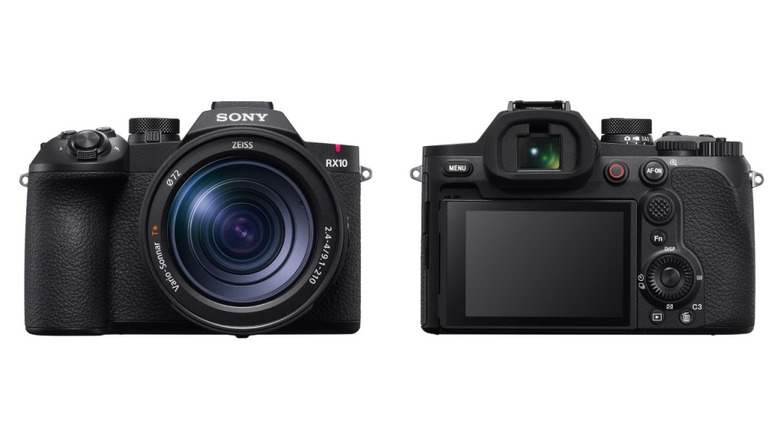
At first glance, the refreshed fifth-generation RX10 appears very similar to its predecessor. Only upon closer inspection will you notice the subtle design tweaks. The most obvious changes here include a redesigned handgrip and a refreshed rear control button layout, inspired by Sony's pricier Alpha series of mirrorless cameras. The grip is now deeper, and should make the camera more stable when shooting in telephoto mode. Another thing that has been revised is the dedicated AF joystick for quicker autofocus point selection and easier one-handed operation.
Moving on to other changes, Sony has also brought several usability improvements to the RX10 V. The camera now features the same touchscreen menu system found on its latest Alpha models adding a dash of familiarity to those who already own an A series camera. The electronic viewfinder has been upgraded from 2.36 million dots to 3.68 million dots, and should be noticeably sharper during daily use. The rear LCD screen has also been upgraded, and now boasts a higher resolution. Then there is the much-needed USB-C upgrade, which replaces the older Micro USB port for charging and faster data transfers. The RX10 V now features the larger NP-FZ100 battery, which offers around 50% more capacity than the older NP-FW50 battery used on the RX10 IV.
Not everything is rosy, though. A few features have also been phased out on the newer model. These include the built-in flash, as well as the small top-mounted status LCD found on the RX10 IV. That said, given that many wildlife and bird photographers (who the target audience for the RX10 is) rarely rely on an integrated flash, these omissions are unlikely to be major deal-breakers.