

Up To $280K: How The US Navy Is Trying To Keep Its Pilots On The Job
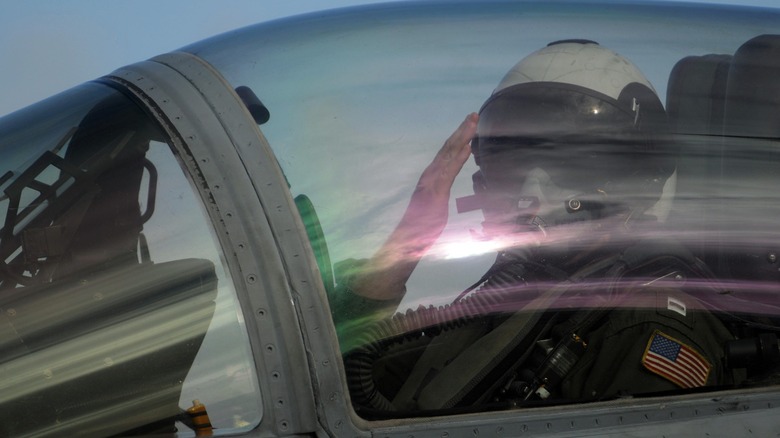
It takes a lot of time and money to become a certified pilot, which is one of the reasons why many learn the trade in the United States military. Every branch of the military operates a wide range of aircraft, from the UH-60 Black Hawk helicopter to the F-35 Lightning II, and all require pilots. It's not uncommon for someone to join to become a pilot, learn to fly various aircraft, leave the military, and become a commercial pilot.
It's the same with doctors who can't afford to pay for medical school; many of them join the military, and the branches fully understand this give-and-take with their pilots. The U.S. Navy Reserve is having a tough time retaining aviators, and to combat the decline in the number of people willing to remain in the service, large bonuses are being offered. Bonuses are common throughout the military, as many receive one upon enlisting and re-enlisting. The same is true for officers, especially pilots, whose skills are highly valuable both in and out of the military.
To try and entice its pilots to remain in service, the Navy Reserve is offering up to $280,000 in bonuses, which is a lot. Most bonuses are in the four- or low-five figures without coming close to more than a quarter million. Recently, the U.S. Air Force increased its bonuses to retain pilots, but the incentive was capped at $50,000 per year. The Navy Reserve launched a new annual bonus program that's paid to various types of pilots, and it's clear how badly the retention problem is given the amount the service is willing to pay.
Pay and bonuses for Navy Reserve aviators
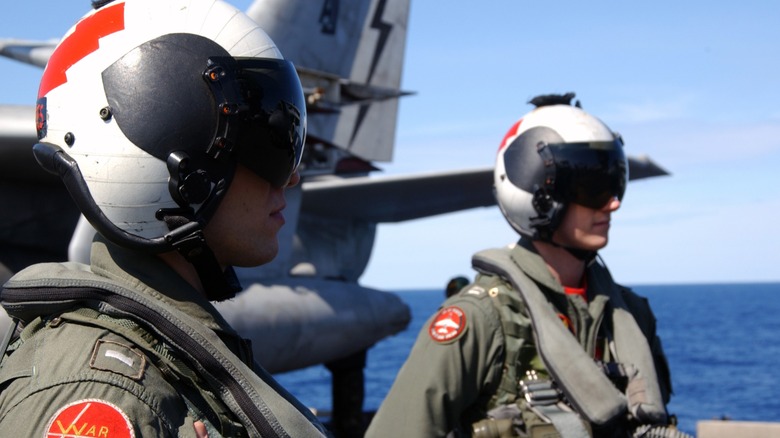
Navy Reserve pilots are paid like every other service member, but because of their specialty, they qualify for more money. For example, a Navy Lieutenant has an average base salary of $72,528 per year, not including housing, food, and other benefits. A Navy Reserve Aviator of the same rank earns the same base salary, but depending on the type of aircraft they operate, they can receive an annual bonus between $15,000 and $40,000, according to the Fiscal Year 2026 Aviation Department Head Retention Bonus program.
It's that bonus program that can reach up to $280,000 for prospective qualifying aviators who remain in service for seven additional years. Receiving $40,000 for seven years amounts to $280,000, so it's not all paid in one up-front lump sum. Lt. Cmdr. James Adams, a spokesperson for Navy Personnel Command, said of the bonus incentive program, "By encouraging these critical pilots and naval flight officers to continue their service, we ensure our force remains proficient, lethal, and ready for any mission."
Retention has long been a concern for all branches of the military, which is why reenlistment bonuses and this new program are somewhat common. Retaining highly experienced pilots is preferable to relying solely on new pilots, all of whom require extensive training that costs a great deal of money, to replace those who leave the service. There are innumerable reasons why Navy Reserve pilot retention is an ongoing problem, though competitive civilian salaries could be a primary cause, as commercial pilots make between $85,000 and $450,000, depending on equipment and experience.