

Wireless Chargers Use More Power Than Wired, But Is It Enough To Care About?
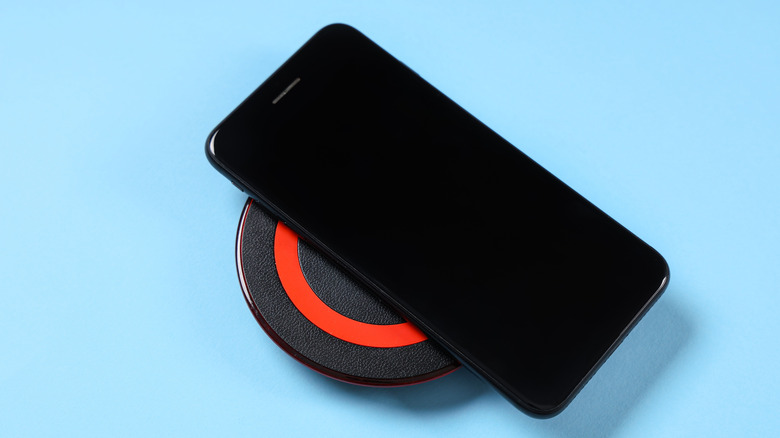
Smartphones are getting better, and they've experienced quite the advancement in the past two decades since the launch of the first iPhone in 2007. One of the bigger advancements to these devices, but also often a controversial one, is wireless charging. As the name implies, there's no cable — the chargers themselves have a coil, the phone has a coil, and touching the two together allows for energy to be transferred without the need of a cable. In this case, that energy is used to charge the battery.
Wireless charging has been getting better and better over the years, with the recent Qi2 standard essentially democratizing a version of MagSafe for Android users, and faster and faster wireless chargers popping up everywhere. As you may be aware, wireless chargers, although convenient, are a lot less energy efficient than regular cables. Energy losses will always happen, and that's also the case with wireless charging. The difference in energy usage can be up to 40%, but does it really matter?
The importance of wireless charging efficiency
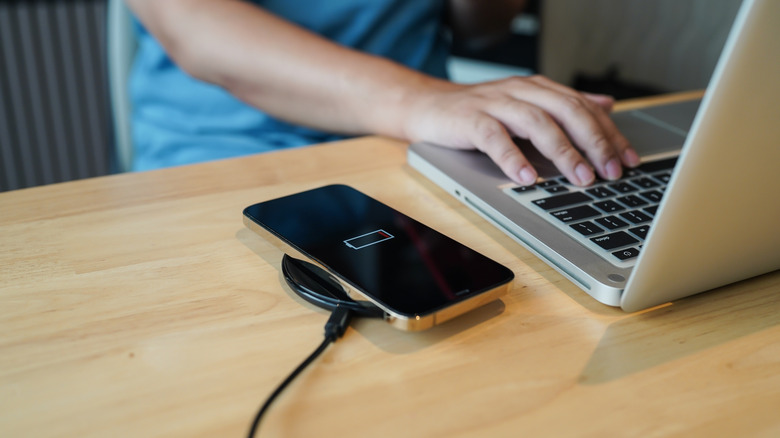
Whether or not the comparative inefficiency of a wireless charger is important is up to you. Let's start by having a look at the differences in efficiency. Engadget calculated that charging a phone from a dead battery to 100% charge would use 15Wh of energy, whereas a wireless charger would use 21Wh. As mentioned before, that's a difference of about 40%, and if you don't really look at the bigger picture, the comparison ends there. However, if every smartphone in the world charged wirelessly, that's a lot more electricity that's being used, and if the electricity doesn't come from a green source, it could harm the environment in some way.
If you've ever used a wireless charger, you're aware of one of wireless charging's biggest cons: the heat. Especially in higher temperatures, wirelessly charging a smartphone causes both the charger and the device to heat up significantly, and most phones have safety measures in the software that stops them from charging so they don't overheat and so the internal components don't get damaged, temporarily rendering the wireless charger useless.
If both devices' thermal management isn't up to snuff, regular wireless charging could lead to faster battery degradation, although wireless chargers themselves aren't inherently bad for your battery. With all of that in mind, using a wireless charger with a fan, or charging a device with stellar thermal efficiency, or in a well climate-controlled area, won't do all that much harm, and it's convenient if you don't want to fumble with a cable on some occasions. However, if you care about excessive use of electricity and its effects on the environment, it's a better idea to stick to wired.