

The Reasons Why Your Carbon Monoxide Detector Beeps (And When You Should Worry)
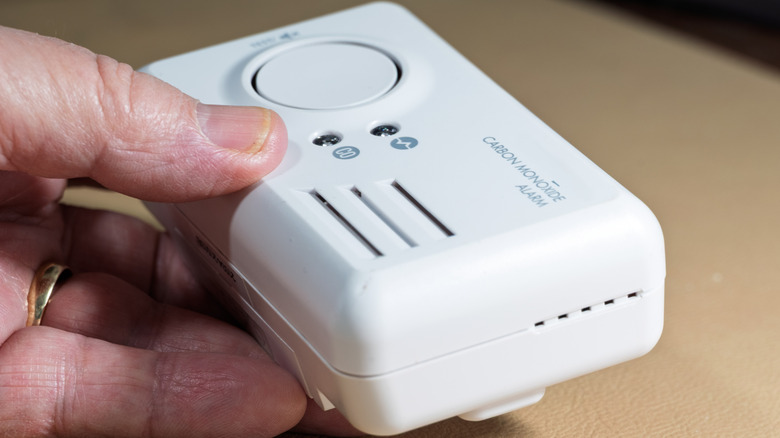
There are few things more important to homeowners than the safety of that space and those who call it home. While many homeowners focus on limiting the risk of outside incursions, some threats can also occur in the home, and devices such as smoke alarms and carbon monoxide (CO) detectors can help keep inhabitants safe from those unseen perils.
Such devices may even be legally required where you live, with homeowners asked to mount them throughout their homes as an early warning system against fires and deadly gas. You can even get smart smoke and carbon monoxide detectors now, but either way, the device is designed to raise the alarm using high-pitched beeps that are almost impossible to ignore or sleep through. Not every beep from your carbon monoxide detector indicates danger, but one you should always heed is four continuous beeps followed by a brief pause.
That pattern means it's detected a buildup of carbon monoxide in your home, and that you need to seek fresh air and call 9-1-1 for assistance. If your carbon monoxide detector beeps once per minute, it's time to replace the battery. Similarly, beeping two to three times per minute may indicate a faulty sensor. Meanwhile, a First Alert detector that beeps five times per minute is no longer functional and should be replaced, though some brands may differ slightly. You can, of course, also confirm the beeping patterns for your specific device by reading the owner's manual.
What else to know about carbon monoxide detectors
There are a few other things to know about potentially life-saving carbon monoxide detectors. High on that particular list is where, exactly, you should place a carbon monoxide detector in your home.
The primary sources of carbon monoxide in any home are devices that burn fuel. These include furnaces, gas stoves, water heaters, and a clothes dryer and its vent. Fireplaces are also a source of carbon monoxide, as are their chimneys. As such, it would be smart to place a CO detector near those devices, though some suggest placing detectors on every floor of your home to ensure maximum coverage. Either way, given the potential safety concerns with those appliances, you should have them routinely inspected to ensure they are functioning properly.
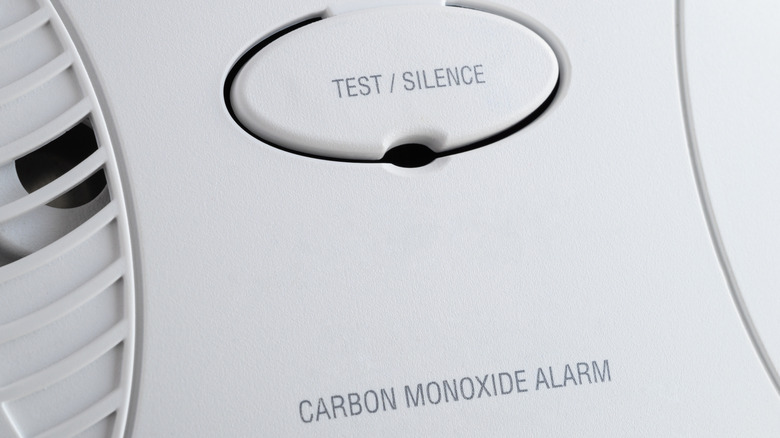
You should also inspect the carbon monoxide detectors themselves regularly, too, at least once per month. The good news is that you can do so easily by pressing and holding the detector's "Test" button. If the device is functional, it should beep four times, pause, then beep another four times. If it doesn't test correctly, change the batteries and try again. If that doesn't work, it may be time to replace the device, which generally has a lifespan of 5 to 7 years.