

What Height Should A Mower Deck Be For Mulching Leaves?
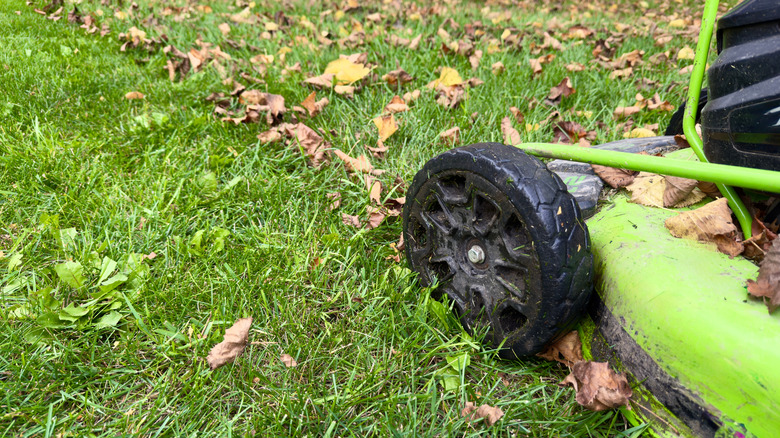
If you don't want to rake the yard this fall, you do have some other options to take care of it. Mulching leaves can be an excellent eco-friendly route, offering some nutrients from the original tree and natural protection against soil erosion, along with other benefits. If you want to do it, though, you need to know the best height to set your mower deck to before mulching.
According to the Town of Clifton Park Tree Committee, a setting of about 3 inches high is a good fit for mulching leaves. A relatively high setting is recommended, at around this level, because your aim is to mulch the leaves quite small without churning up your grass in the process.
There isn't a specific setting to use for this purpose, because it will depend on the amount of leaves, the type of mower you're using, and other factors. As a general rule, though, 6 inches' worth is about the limit of leaves you should typically be working on at a time. Let's take a closer look at some of the crucial things to bear in mind while mulching, as there are some pros and cons of the process that you should be aware of.
Some important things to remember when mulching leaves
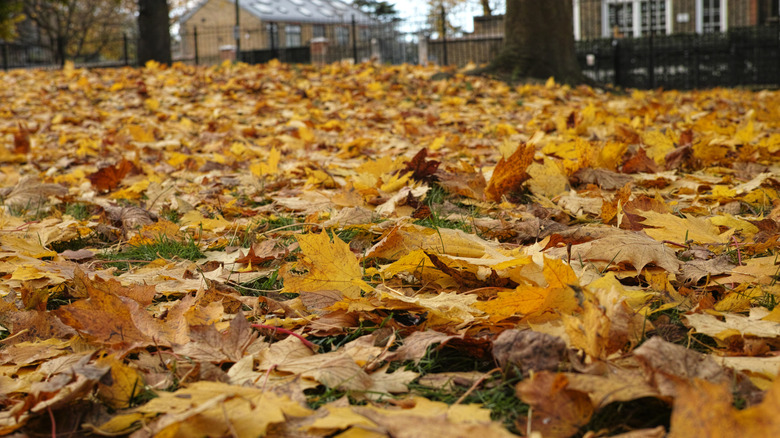
You'll be glad to hear that mulching leaves can make it more difficult for weeds to grow. This is because those pesky little weed seeds, which can grow alarmingly fast, need access to a lot of sunlight in order to do so. With the leaf mulch on the soil, you have a sort of natural barrier against this, greatly hindering their progress.
There are also some important potential negatives to consider with mulching, though. One, sadly, is that old leaves could potentially be infected, for instance by fungi. If this is the case, shredding and spreading them could cause any infection to spread, would could potentially be fatal to your plants. Remember, too, that fallen leaves can serve as something of a miniature refuge for wildlife. As the Richmond County Center puts it: "Turtles, toads, birds, mammals, and many invertebrates use leaf litter for food, shelter, and nesting material. Many butterfly and moth species ... rely on the protection of fallen leaves for overwintering." It's important to be wary of the wildlife that could be sheltering in your yard before mulching them.
This isn't to say that there's no ecological benefit to making that mulch either, though. On the contrary, the tiny and often underappreciated wildlife that play a huge part in keeping your soil aerated and full of nutrients, like earthworms, can very much appreciate the fine mulch as a sort of protective barrier. It all goes towards making your lawn a finer and healthier ecosystem, and with that comes a vibrant and healthy ecosystem that will look good season after season. Of course, your lawn mower deck will probably require a thorough cleaning afterwards.
The pros and cons of mulching leaves
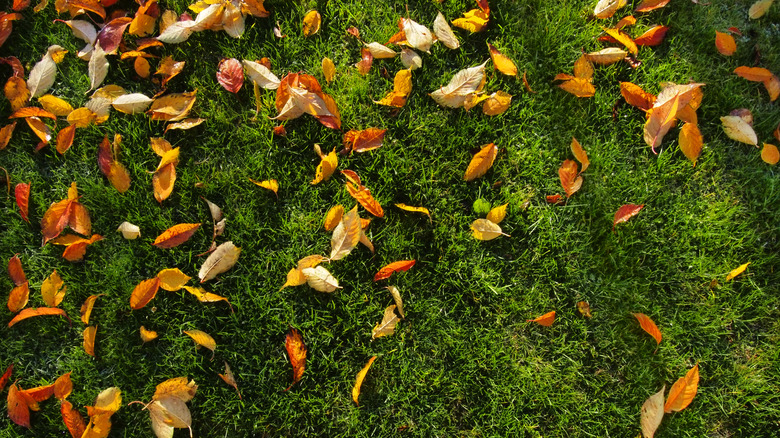
Mulching the leaves in your yard or on your land isn't necessarily an easier option, nor a better or worse one. It's all about the option that works best for you, and of course, the answer to that question can vary a lot. The important thing is to consider the pros and cons of the process before deciding whether it's the right option for you.
It's also important to remember that, though it might seem like a simple job, mulching isn't just about shredding leaves. As we've seen, it can shade your land and help prevent the growth of unsightly weeds, but if not done carefully, it can also cause the same growth-debilitating effects among far more desirable plants.
It's not just about the right height of mower deck, but about recognising when the quantity of leaves, however finely mulched, is too great. As Abigail Garofalo of University of Illinois Extension put it to WTTW News, "you don't want to add too much that it's so thick when it rains [the leaf pile] acts as a barrier." Careless work on a lawn that's been hit by a flurry of fallen leaves could endanger the health of your grass or anything else you're growing.
To keep your yard's grass spotless and on display, you may prefer to rake the leaves to be bagged and taken away, or restrict them to flowerbeds or the base of other plants. The bottom line is that mulching can be very valuable in improving or maintaining the health of your grass, but it must be done correctly in order not to harm it.