

US Air Force Kicks Off B-21 Raider Combat Testing Far Ahead Of Schedule
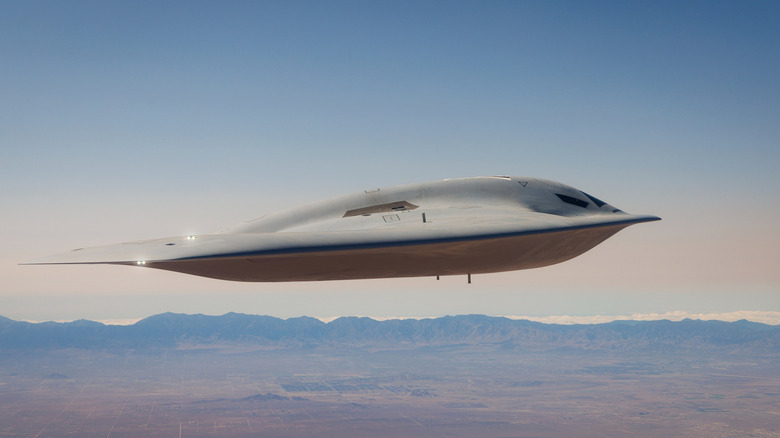
2026 is turning out to be a landmark year for the Northrop Grumman B-21 Raider, the U.S. Air Force's under-development stealth bomber. This year saw the B-21 program receive a massive $4.5 billion funding infusion aimed at accelerating the aircraft's delivery timeline. The revised plan aimed to deliver two more B-21 aircraft before the end of 2026, intending to field the B-21 in combat operations by 2027, and it looks to be well on track. In early June, the U.S. Air Force flew the B-21 Raider with an operational test pilot, who shared the cockpit with a developmental test pilot.
Now, a pilot sharing the cockpit with another pilot usually doesn't make the news. The reason this is such a huge deal is that an operational test pilot has never made it to the cockpit of a U.S. Air Force aircraft this early into its development. Traditionally, developmental test pilots will first ensure an aircraft is safe to fly before operational test pilots take over for real-world (and combat) evaluations. That two-stage process has been eliminated for the B-21.
What is essentially happening here is that the U.S. Air Force is testing the combat effectiveness and overall capabilities of the B-21 well before the developmental stage is complete. If this pace of development continues, the 2027 induction of the B-21 looks within sight.
Why is the U.S. Air Force speeding up the B-21 program?
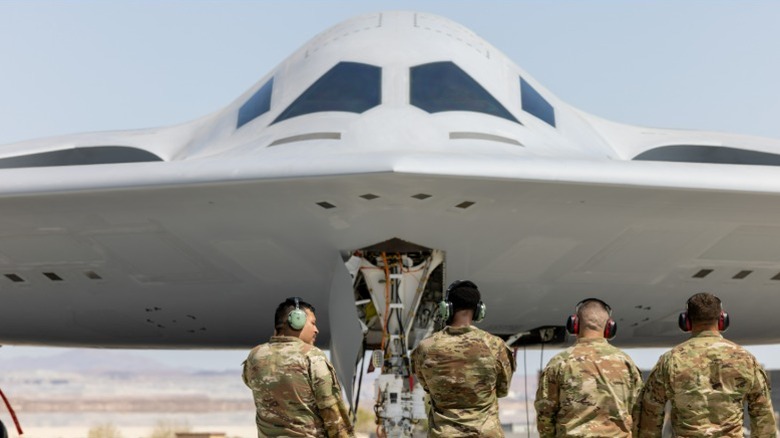
The B-21 will take over from its predecessor, the B-2 Spirit, which has been doing the heavy work for the U.S. for over three decades. With the U.S. planning to phase out its operational B-2 fleet over the next decade, the B-21 will not only serve as the B-2's highly capable replacement but also become the most technologically advanced stealth aircraft ever made when it enters active service.
Beyond the need to replace the B-2, another major reason for the B-21 Raider's accelerated development is China's supposed rival bomber, the Xi'an H-20. The existence of this bomber is a matter of heated debate, with a protracted development timeline, an uncertain launch date, and very little concrete information about its capabilities. However, the very thought that China would eventually end up with a stealth bomber of its own is likely enough motivation for the U.S. Air Force to accelerate the development of the B-21 bomber.
Alongside a shorter development process, the U.S. Air Force also intends to increase the bomber's annual production capacity by 25%. This will eventually help the USAF reach its target of having 145 B-21 bombers within the next several decades.