

4 Common Problems With Gear Shifters
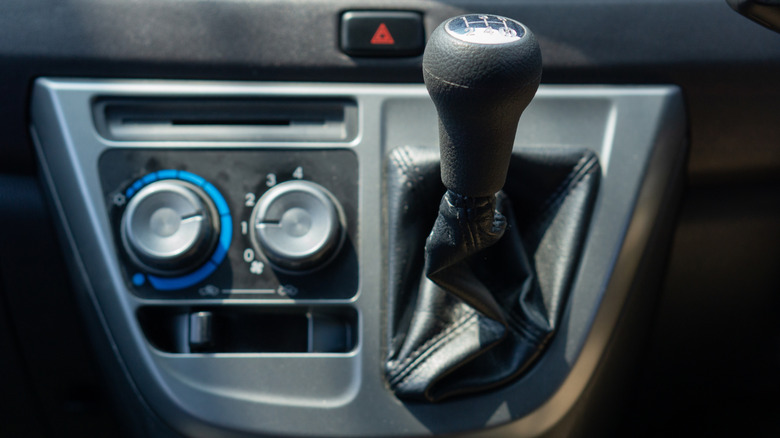
The tactile motion of shifting gears manually is one of the first features that a new driver learns to get to grips with. It's a universally-familiar piece of design, to the extent that clever engineering minds have even created pens with a gear shift and clutch that actually works. They're a hard-working part of any car, and as such, they will naturally experience their share of issues.
With a manual, you'll adjust gears by means of the familiar shifter as described, implemented in conjunction with a clutch pedal to facilitate shifting between your engine's different gears actively as you drive. With an automatic transmission a clutch isn't necessary, as engine timing is handled behind the scenes; you'll simply shift from Park to Drive and let the car do the rest of the work. Yet in either case mechanical issues are common, though manual-shift vehicles are often less expensive to repair due to the higher complexity of an automatic transmission.
We're going to take a closer look at some of the issues that most frequently trouble gear shifters of different types, often heralded by an unnerving sound coming from the vehicle. Other issues that emerge can include being stuck in park when trying to maneuver and excessive wear on the clutch. These are the sorts of things that can potentially lead to more complex issues if not addressed, so here's how to identify some of these problems and how to respond to them.
Accidents caused by unfamiliar electronic gear shifters
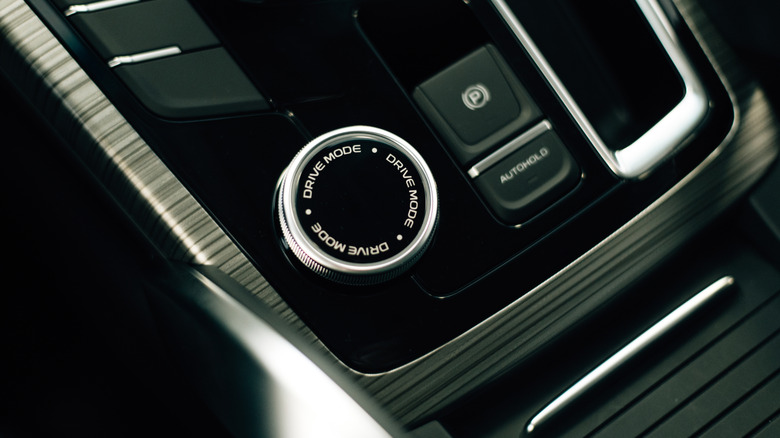
As we know, manuals require an active hand on the stick shift because of the necessary direct connection to the transmission, but this is not the case with automatics. Instead, manufacturers are often able to create digital shifters, especially in more modern vehicles. It's a newer concept and one that has undergone significant experimentation, which means drivers have had to adjust to the unique positioning of each shifter — and these can be considerably different between vehicles.
This is far from a new concern. In March 2016, CBS News reported that then-new monostable e-shifts were effectively removing the tactile feedback that came from shifting into reverse or drive, which was resulting in considerable uncertainty. One driver, Gary Titus, told the outlet of his experience with a 2014 Jeep Grand Cherokee: "I got out of the Jeep. I thought it was in park and it was in reverse still. And as I walked back towards the garage, I noticed it was moving a little bit."
With both a traditional manual or automatic shifter, there's a certainty to the options selected, which helps ensure you can park safely. Without this familiar feedback, accidents tended to happen. Resultantly, recalls were made, and quite sweeping ones too. In April 2016, CBS News reported that Fiat Chrysler models across the 2012 to 2015 Dodge Charger, Chrysler 300, and Jeep Grand Cherokee lines had been recalled. The measure covered not just cars and SUVs primarily from the United States but internationally as well, totaling some 1.1 million individual vehicles. According to the report, approximately 41 accidents had been attributed to the gear shifts, with drivers mistakenly believing that they had placed their ride into park when they hadn't.
Getting stuck in park
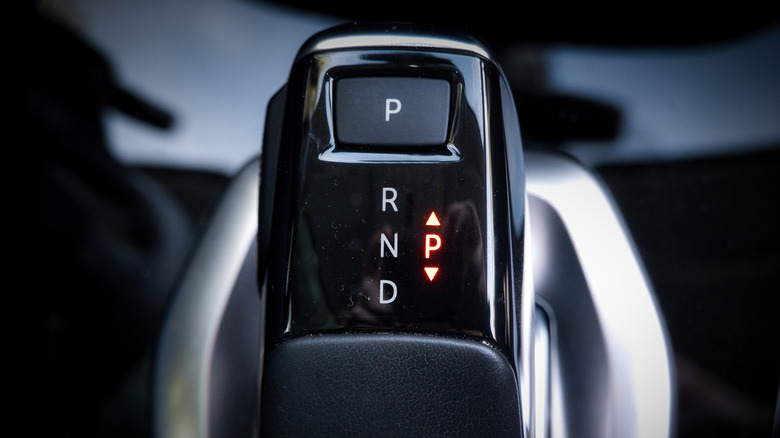
It's clear, then, that electronic gear shifts can pose problems with the uncertainty of whether you've actually put your vehicle into park. You might also find that you have the opposite problem: There are multiple different issues that can cause your gear shift to become stuck in park, whether you have a traditional shifter or not. What's most concerning about this is that while it can be indicative of electrical problems, but is not so easy to pinpoint.
As noted by JD Power, a vehicle can become stuck in park if the operator doesn't follow an optimal order of operations. An automatic's shift interlock solenoid is designed to allow the vehicle to shift out of park only when the brake is fully engaged. Because of this, if the pedal isn't fully down, you might find that you're unable to do just that. This isn't the only factor at play, though. If you've ensured that you're depressing the brake accordingly and still can't switch out of park, there are several potential mechanical causes as well. One major one is the brake switch, a critical function that impacts the solenoid.
Another thing to be wary of is where you've parked your vehicle in the first place. Spots with inclines or on hills can pose a unique problem for car in that, depending on how you've parked, your vehicle's parking pawl, the metal pin that prevents your car from rolling while in park, may be impacted by enough weight to prevent it from disengaging as it should. This is why it's important to bear in mind not only how you park, but where. Your gear shifter will surely thank you for it.
Your gear shifter being too loose or too stiff
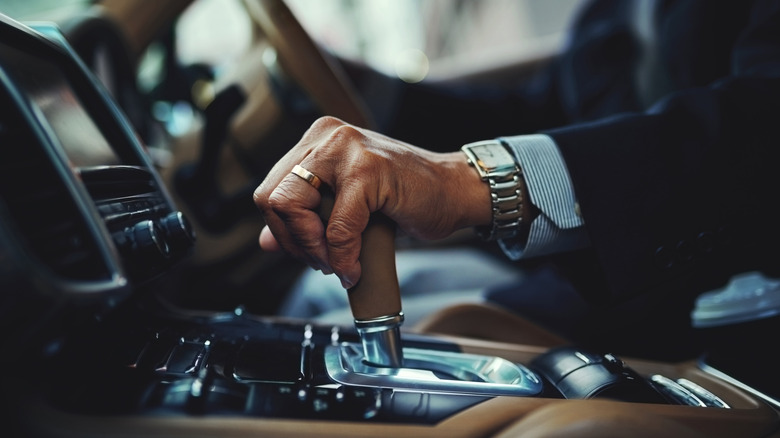
Gear shifts can frequently develop a stiff feeling, which can be a danger sign of potential factors like issues with electronic sensors or having insufficient or dirty transmission fluid. Rather confusingly, similar problems to these can also potentially cause the opposite issue, as it's frustratingly common for a gear shift to develop a loose feeling as well. Whether you have a manual or an automatic transmission, being able to shift between gears or driving modes is what keeps your experience smooth and helps keep you safe on the road. With that in mind, it's critical to be aware of the tell-tale signs.
If you find that your vehicle isn't starting in the expected gear, or there are any synchronization issues with the indicator lights for the gear you're in, the culprit could be the shift cable(s). They may require replacement, something best left to the professionals. Alternatively, a stiff or sticky shifter may be a simple matter of dirt and debris accumulating in your shift mechanism; gently cleaning and effectively drying your shifter can often resolve the issue. As with so many things with our vehicles, staying on top of cleaning and other simpler maintenance can save much bigger headaches down the line.
If you're concerned that something doesn't sound or feel right or that isn't operating as it used to, a trusted mechanic will be able to help diagnose and rectify anything's that's negatively impacting your gear shift.
Too much wear on the clutch
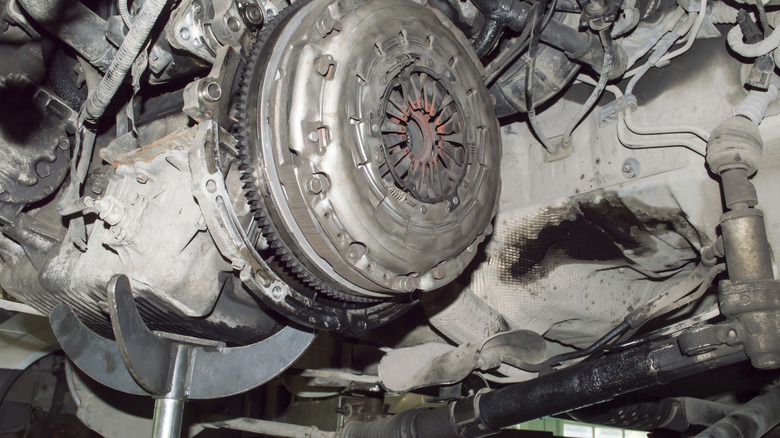
Wear is an enormous contributor to vehicle failings, whether it's contributing to the degradation of the tread on your tires or pushing your transmission ever closer towards retirement. When it comes to vehicles with manual gearboxes, a critical part of the system that keeps your car in the right gear or mode is the clutch. It's a component that seems quite prone to expensive mechanical issues related to wear.
The clutch's essential role is to allow a manual driver to safely switch gears without the danger and uncertainty of a potential stall. It's subject to a lot of friction and the considerable heat that can build up in the vehicle's gearbox in particular, especially as the clutch is used so regularly and consistently. As such, when you notice that your gear shift isn't performing as it should, remember that clutch slipping is a common culprit.
One thing that a lot of manual drivers are guilty of is riding the clutch, the practice of neglecting to disengage the clutch entirely following a shift. This only increases the harsh friction that your transmission's clutch plate is subjected to. You may be unaware that you're facing this issue initially, but it's one of the first things you could consider when your engine starts shifting reluctantly, if you feel excessive vibration through the gear shift, or you hear grinding noises coming from the gearbox. If you want to avoid this particular problem in your own manual transmission vehicle, the big thing to remember is that more defensive driving alleviates a lot of that pressure; shifting aggressively, in addition to causing undue wear on critical components, can also hurt your vehicle's fuel efficiency.