

3 Dangerous Situations Every Apache Helicopter Pilot Trains For
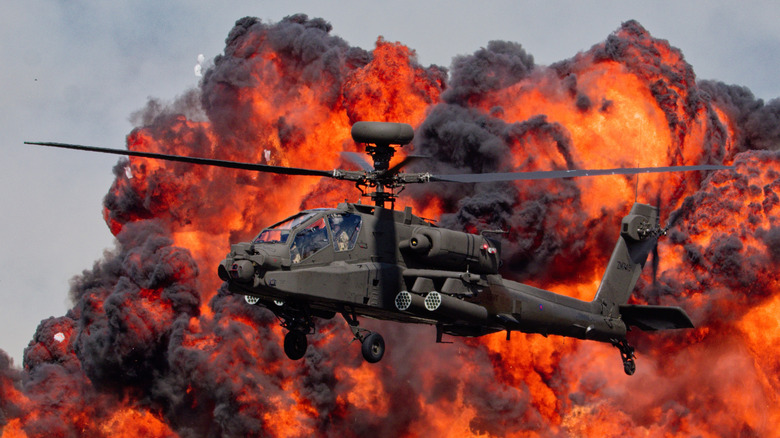
Flying an Apache has to be one of the hardest jobs in the entire military. To pilot one of these heavily armed attack helicopters the right way, a person has to be mentally and physically prepared. The Army National Guard expects its attack pilots to work well under the pressure of both combat and non-combat conditions, all while maintaining strict training and flight standards. After all, they're entering into environments where even the smallest mistake can carry very serious life-or-death consequences.
As such, training Apache helicopter pilots covers far more than learning how to fly. These pilots also undergo extensive training on instrument flight, emergency procedures, tactical operations, gunnery, advanced night-vision systems, and more we likely don't even know about. The intensity and the comprehensiveness are the point. Their training programs are designed to expose them to all the most dangerous scenarios they could encounter during real-world operations. Of them all, three stand out as especially demanding.
Flying in complete darkness using only infrared imagery
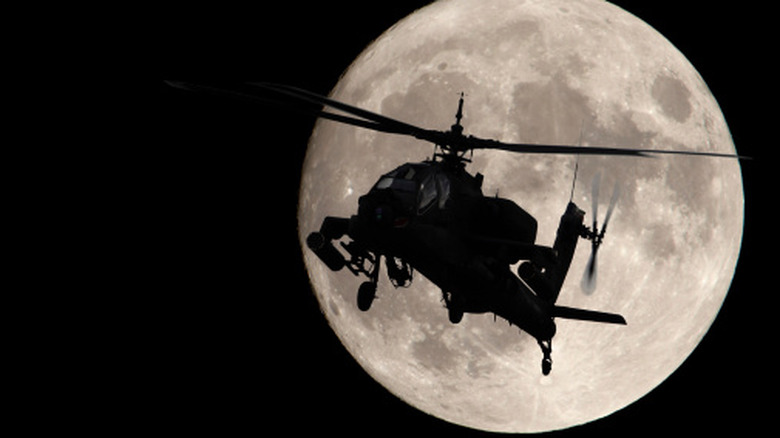
It's one thing to pilot an Apache helicopter in broad daylight, but crews need to be just as comfortable flying when that natural visibility disappears. Apache crews routinely train for night operations using specialized vision systems that allow them to continue missions long after conventional aircraft would be grounded by darkness.
According to Captain Jonathan Hogan, an Australian Army instructor pilot assigned to the United States Army Aviation Center of Excellence, Apache training includes extensive instruction using the aircraft's Pilot Night Vision Sensor. Unlike traditional night-vision goggles, this system projects an infrared image into the pilot's right eye through a monocle. The image comes from a sensor mounted on the helicopter itself.
Student aviators practice in what instructors call "the bag": a completely blacked-out cockpit where pilots have to rely entirely on sensor imagery. That means no outside visual references. Pilots are effectively flying the combat helicopter through a tunnel of infrared imagery... often at high speeds and low altitudes to boot.
Responding to in-flight emergencies without losing control
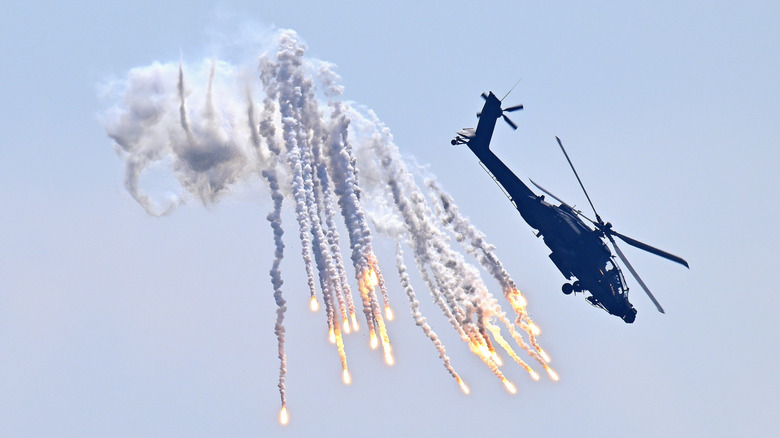
In the military, there's no time (much less room) to hesitate when something goes wrong. That becomes even more true behind the stick of the most feared military helicopter. As such, pilots have to be ready to respond to mechanical malfunctions or systems failure, mid-air, all while still maintaining control of the craft. That means mastering the aircraft's systems while also learning how to remain calm under pressure.
Take the Instructor Pilot Course conducted at Fort Rucker, for example. It includes dedicated training on emergency procedures that helps make sure future aviators can recognize problems quickly and apply the correct response under pressure. These emergency situations rarely happen in ideal conditions, which means pilots have to be prepared to respond to emergencies during difficult weather, while operating at night, or even in the middle of a tactical mission. Practice makes perfect. The goal is to build habits so strong that they simply become instinctive when a crisis comes about.
Conducting complex combat operations with multinational forces
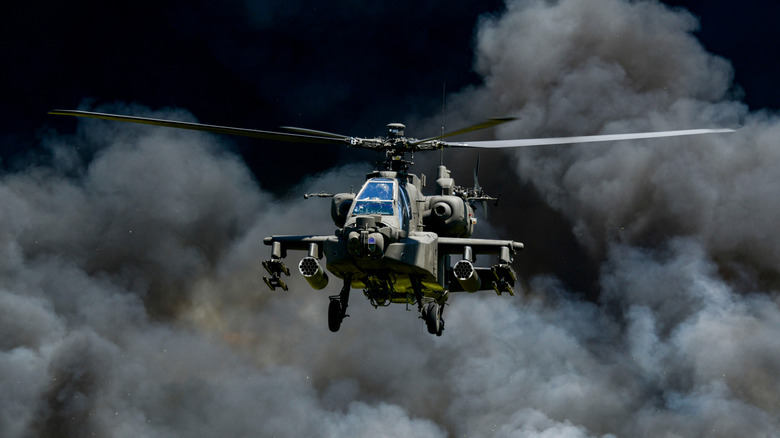
To be an Apache pilot, don't be surprised if you find yourself having to fly the aircraft, monitor threats, and complete mission objectives all at the same time. According to the Army National Guard, it's all part of the job description. But what you might not realize is that you also have to be ready to do all that in coordination with multinational forces.
The Apache environment is one that demands constant adaptation, situational awareness, and clear communication. But instructors know all too well that, in global conflicts, Apache pilots need to know how to perform their duties alongside personnel from allied nations. It's one thing to work well with the team you've been training with for weeks and weeks, but it's much more realistic for crews to know how to work well with others they haven't directly trained with. That's what they'd be doing in a real-world combat situation with one of the Army's more than 800 Apache helicopters.