

Before Modern Gear Shifters, Automakers In The '50s Used A Method Ahead Of Its Time
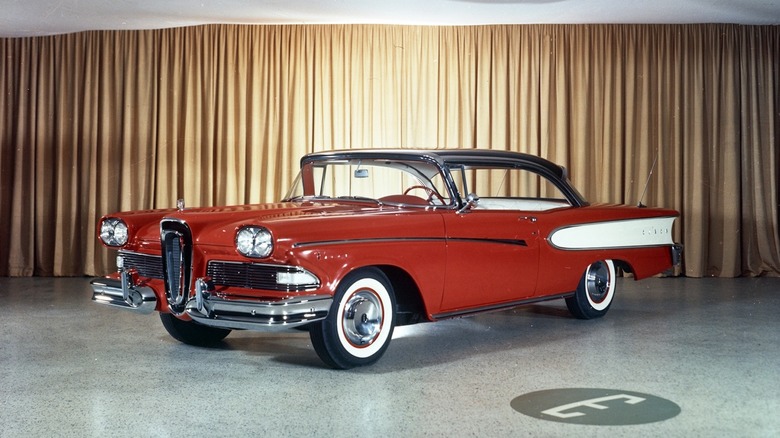
If you drive a car made in the past decade or so, it could use any of a large number of gear changing mechanisms currently in use across the auto world. There are knobs, stalks on the steering column, pushbuttons, and old-fashioned gear selector stick. There's even stick shift, if you're lucky enough to be driving one of the most powerful manual cars still available in 2026.
Before all the options we have today, the more archaic systems of changing gear from the advent of motoring basically boiled down to gear selector levers for automatics or a stick-shift.
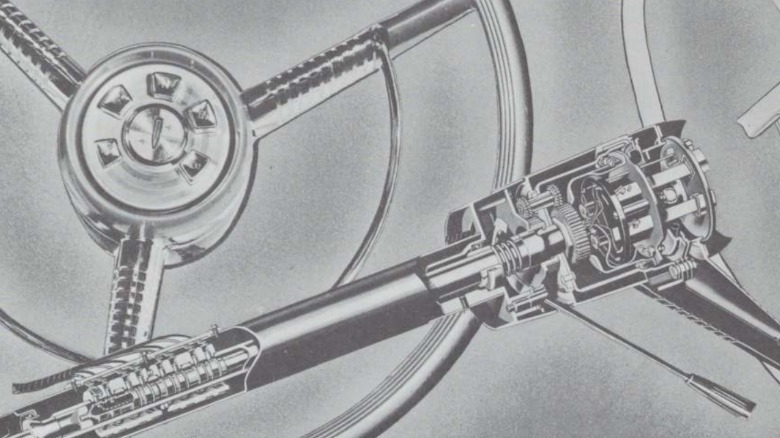
However, for a brief time in the 1950s to the early 1960s, a few notable brands like Chrysler and Packard (along with brands notable as failures like Edsel) featured state-of-the-art pushbutton shifters. These pushbutton systems went by all manner of marketing names, like "Teletouch" for Edsel in 1958.
In theory and practice, it worked the same way as the transmission in your new Honda. Push "N" to go into neutral or "D" to drive, and so on.
A love-hate relationship
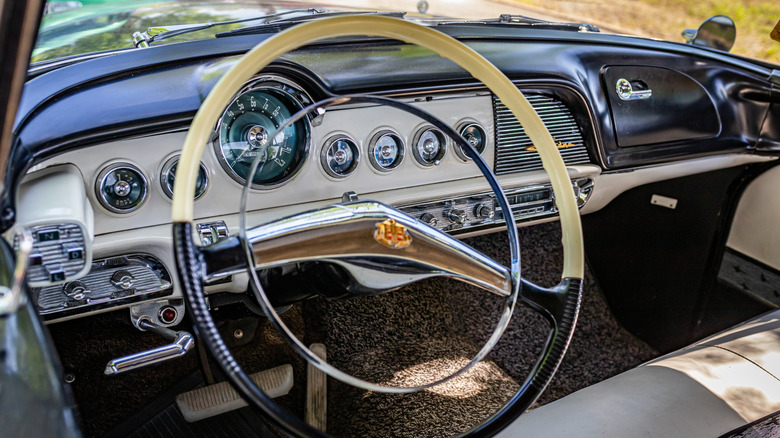
In the case of Chrysler products, pushbutton transmission first showed up in 1956, with cars like the Dodge Royal Lancer (not to be confused with the Dodge Shelby Lancer), before being discontinued entirely across the entire Chrysler catalog by 1965. Stellantis, in a retrospective of Dodge historical vehicles leaves the exact reason a little ambiguous, citing a "love-hate" relationship with customers. Reading the unvarnished truth of enthusiast forums for cars from the era will tell you that the transmissions were a problem area when it came to maintenance and care.
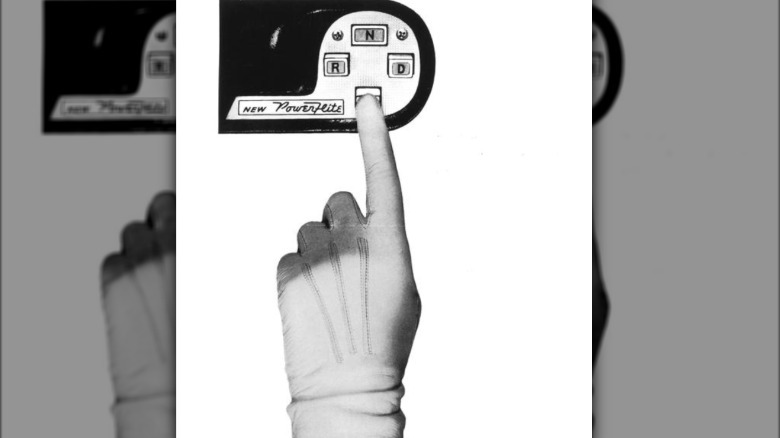
While the actual reason automakers went back to a gear selector lever likely boils down to customer preference and familiarity, the blame has also been placed on government regulations regarding how the gears are displayed in a car, should that car be used for governmental purposes.
Either way, pushbutton transmissions had a moment in the spotlight, between 50 and 60 years before automotive transmission technology caught up with the promise of such designs.