

Gen-Z Is Buying Up Old-School iPods, And It's Not Hard To See Why
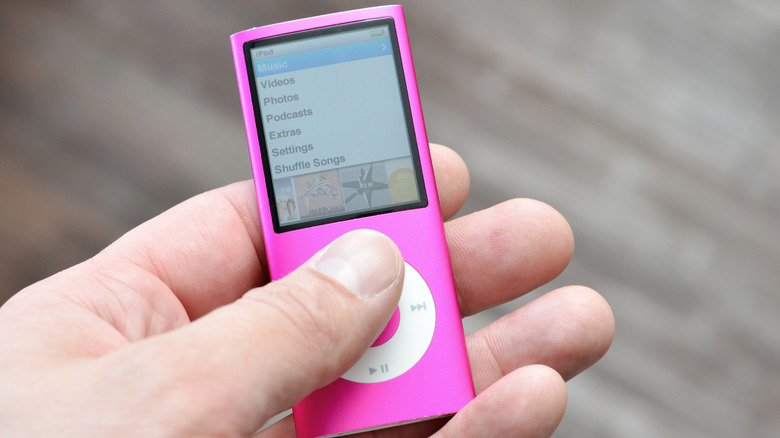
Trend cycles can certainly get stuck on repeat, and technology is no exception. One of the latest examples of retro tech getting caught in the shuffle is the Apple iPod. Pre-iPod Touch devices are getting a new lease of life across social media, with older devices like the iPod Classic selling for surprising amounts. Despite Apple declaring the iPod Nano dead and obsolete back in 2024, the hunger for reclaiming older media devices seems to only be growing. According to data shared by Back Market, refurbished iPod sales increased by an average of over 15% per year between 2022 and 2024 alone.
Once you've noticed it, it's easy to see the trend popping up across the internet. Over on TikTok, #iPod is home to more than 100,000 posts alone. Meanwhile, the r/iPod subreddit sees close to 100,000 weekly visitors at the time of writing. You could easily write this all off as another nostalgia-oriented trend, based less on practicality and more on aesthetics — especially the wider desire for Y2K fashion, Frutiger Aero design principles, and other almost-forgotten things from the not-so-distant past. However, it's clear that fashion and aesthetics aren't the only reasons why iPods are back in style.
In a way, iPods give you the option of unplugging. Not from tech altogether, of course — but from the internet. Listening to music on your smartphone makes it tough to disconnect, even if you use your streaming platform's offline listening options. You can still access apps, messages, and anything else that might distract you. Meanwhile, older-generation iPods take that off the table altogether, leaving you with just the music.
You can trade ads and pop-ups for lower screen time and wired headphones
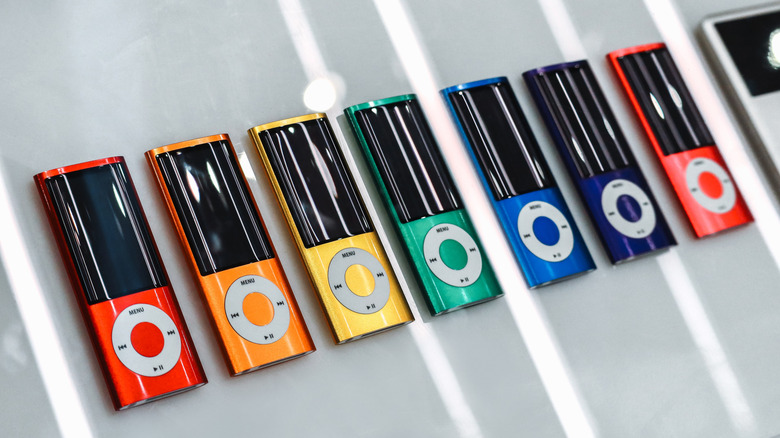
Gen Z turning to old-school iPods is in part reflective of a larger desire for digital minimalism: less screen time, with less stimulating activities away from ads, visuals, or distractions. When you opt for a media player over a smartphone, you don't have to deal with a deluge of applications and ads just to listen to your favorite album.
Some iPods have screens, of course — the Classic and Nano each have small displays for navigating your library or watching videos on, but they're quite limited in their functionality. You wouldn't expect to see intrusive push notifications, pop-ups, or any other apps on these devices. With that in mind, there are far fewer reasons to gaze at your iPod, making it easier to switch off and shift your focus elsewhere without worrying about any intrusions or temptations. That's perfect if you want to cut down on the time you spend scrolling on social media.
A shift toward old iPods could also reflect other tech trends, like Gen Z's desire to move back toward using wired headphones over their wireless counterparts. After all, you can't easily connect wired headphones to most modern smartphones without relying on other equipment, like a USB-C to auxiliary adapter, since auxiliary ports have gradually fallen out of fashion. On the other hand, iPods are a different story thanks to their built-in headphone jacks. It all fits together rather well if you're aiming to turn back the clock a little when it comes to your day-to-day tech choices.
Media ownership gives relief from subscription fatigue
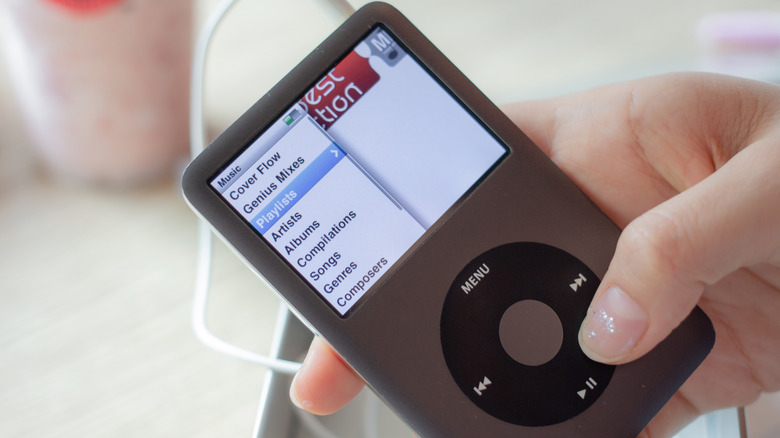
Using an iPod takes your music offline and puts it directly back into your pocket. That's an appealing option for some as music streaming service prices soar, and a collective desire for media ownership grows. When you stream music, there's always a risk that what you want to hear could suddenly be pulled or become unavailable. That isn't the case with offline file storage — whatever ripped CDs and MP3s you load onto your iPod stay there until you delete them, or until the data corrupts. Knowing that you'll always have access to what you want, paired with not having to pay a monthly fee to do so, is certainly alluring.
There's data out there to back up the idea that people are turning back to iPods to replace (or supplement) streaming, too. Musician Emily White surveyed current MP3 player users to find out more about the trend, yielding some interesting results. 40% of respondents only started using an iPod within the past year, while more than a quarter use it as a replacement for streaming services altogether. And, 32% of all respondents were also Gen Z.
This shift could be reflective of a sense of "subscription fatigue" — feeling overwhelmed, frustrated, and financially stretched by the payment model — among the generation. According to research shared by Civic Science, 66% of those aged 18 to 29 surveyed are planning to cancel or have already canceled streaming memberships within the past year, explicitly citing subscription fatigue as the reason why. If you feel that way, then it's not hard to imagine why you might want to pivot away from paying to access a streaming catalog toward an intentionally curated library of music you own forever instead.