

Don't Lose Sleep Over Reports Of Gas Pump Screw Scams
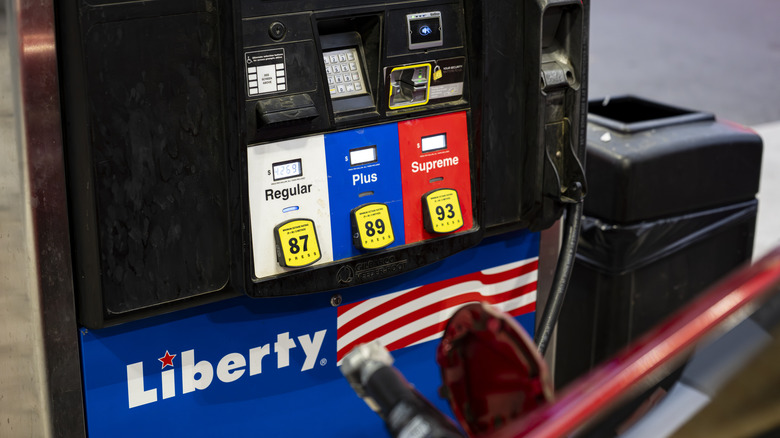
The "screw method" scam is taking social media by storm, but you can rest easy: According to Snopes, it's actually a hoax. Reports have been making the rounds in recent weeks, enough to even get picked up by CBS News, but they're (thankfully) completely unfounded. The way the story goes, criminals were allegedly placing screws inside fuel pump nozzle holders to keep transactions active after customers put the nozzle back and drive away. The fake reports claimed thieves would then fill their own vehicles (and even other people's) before pulling the screw out and high-tailing it out of there.
Various police departments and local news outlets throughout the U.S. warned people about the scam, and that's likely what helped the hoax spread like wildfire. Posts about the "screw method" scam quickly dominated social network feeds, even without any verified evidence that the scam had actually occurred in the first place. Take it as a blessing, especially amid the current cost of unleaded: Even though the social media posts racked up millions of views, Snopes found no confirmed victims, arrests, or documented criminal cases to prove the legitimacy of the "screw method."
It helps knowing how gas pumps work
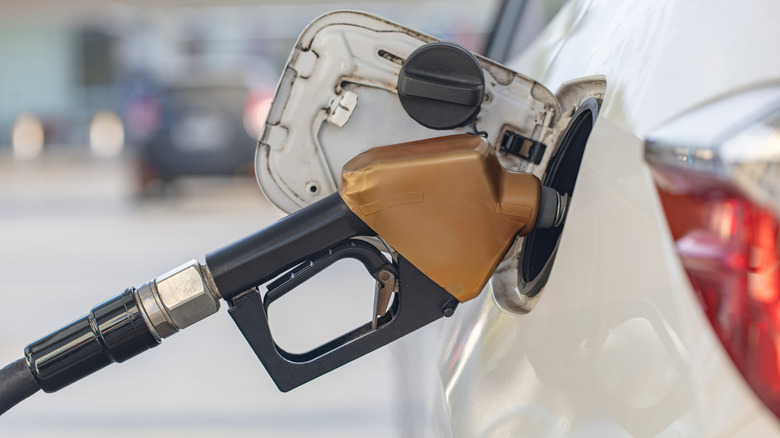
The story really falls apart when you think about how modern gas pumps actually work. Modern fuel dispensers are designed with multiple safeguards in place that make an alleged scam like this highly unlikely to work.
You know the routine: You swipe your card, remove the pump, select a fuel grade, and start dispensing the gasoline until the pump stops. But what you might not know is that the pump measures the fuel flow electronically and tracks the transaction using its internal computers. The dispenser is programmed to automatically end the transaction after fueling stops and a brief period of inactivity. In short, there wouldn't be time for someone to pull up behind you, get out of their car, open the fuel door, and start fueling up on your dime. Not to mention, a screw alone wouldn't be enough to override the automatic shut-off features that trigger when fuel is no longer being dispensed.
While you should still be on the lookout for legitimate threats like card skimmers or sneaky pump-switching schemes, the so-called "screw method" appears to be completely made up.