

Why Most Automakers Left Suicide Doors Behind In The 1960s

Suicide doors are a nostalgic piece of automotive design that characterized a particular era of cars. But while they were popular in their day, present on cars like the Tucker 48/Torpedo and '60s Lincoln Continental, suicide doors are now a rarity, and it's all down to safety concerns. The move away from suicide doors began in the 1960s, when car speeds increased and protecting passengers became more important than style.
That decade saw the growth of the U.S. highway system, which brought with it higher speeds and a rise in vehicle crashes and fatalities. Suicide doors, which already had an ominous name, could fail under the right conditions. Air could force doors open at speed, increasing the risk of passengers getting ejected while the vehicle was in motion. Beyond safety concerns, suicide doors require different structural setups compared to front-hinged door systems, including reinforced C-pillars and customized hinge mounting.
As a result, by the mid to late 1960s, the auto industry began moving in a different direction. Even though rear-hinged latches improved over time, front-hinged doors gradually became the standard, as they better fit the overall direction of vehicle safety design moving forward.
Modern suicide doors and their origin
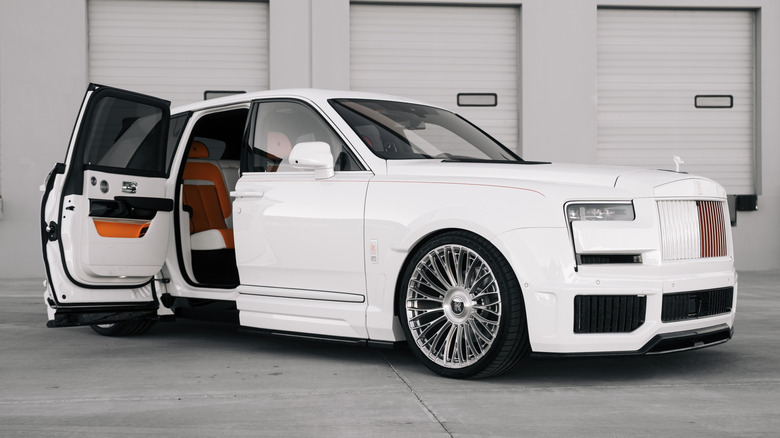
Few car manufacturers still install suicide doors, also known as coach doors, on some of their vehicle models today. Perhaps the most prominent example is British luxury automaker Rolls-Royce, which uses rear-hinged coach doors on models like the Cullinan and Phantom. However, suicide doors have been present on more everyday vehicles, too: the BMW i3, Mazda RX-8, and Mazda MX-30 had rear-hinged doors to improve access for rear passengers. Similarly, the 2003 Toyota Tundra Access Cab had a rear-hinged access door for easier cabin entry. The door setup also made the cab easier to load with cargo if necessary, offering a functional benefit as well.
The suicide door concept itself predates not only trucks and today's luxury cars, but even the pre-'60s examples that once ruled the roads. Rear-hinged doors date back to the days of horse-drawn carriages, when they allowed passengers to enter and exit easily. The rear-hinged door carried over into vehicle design during the years that followed and became an industry feature. By the 1920s, suicide doors dominated the highways, not only in the U.S., but around the world.