

Are Titanium Drill Bits Harder Than Cobalt? Here's How They Compare
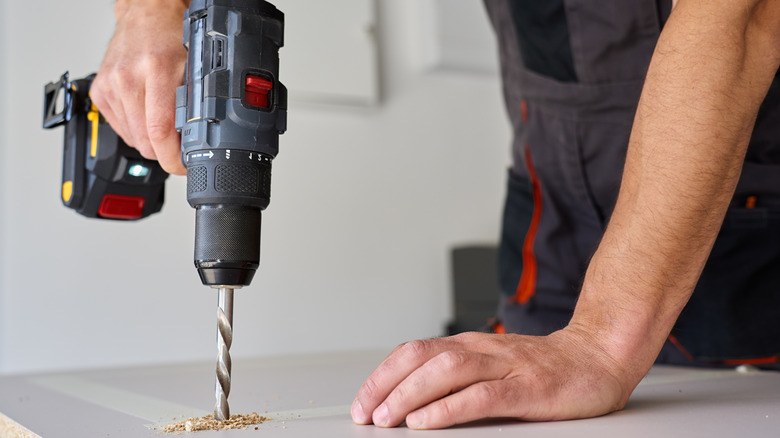
Casual DIYers often shop for a pack of drill bits without realizing how those bits are designed to perform. The word "titanium" stands out from the rest, since it suggests both strength and capability. However, cobalt drill bits, which aren't quite the same as carbide, are harder all the way through than titanium-coated bits, despite the latter having a harder surface. The difference between the two comes down to how each metal is used.
The cobalt used in drill bits is blended into the steel itself, rather than just added as a surface coating. This makes cobalt drill bits a much harder, heat-resistant option, especially for metalwork, which requires a strong point of contact. In contrast, titanium is applied only to the surface. While this does make titanium drill bits both heat-resistant and durable, the coating itself is not guaranteed to last. It can wear down over time, especially with continuous heavy-duty use.
Because of their construction, cobalt drill bits are usually the better choice for thick steel and other hard metals that can generate a lot of heat during drilling. This is why professionals often use cobalt bits, because they hold their edge through repeated use and can be resharpened without losing quality. Titanium drill bits are more of an all-purpose option, commonly used for tasks involving softer metals, wood, and plastic. They're ideal for everyday use, and they're more affordable too.
How internal composition changes drill bit performance
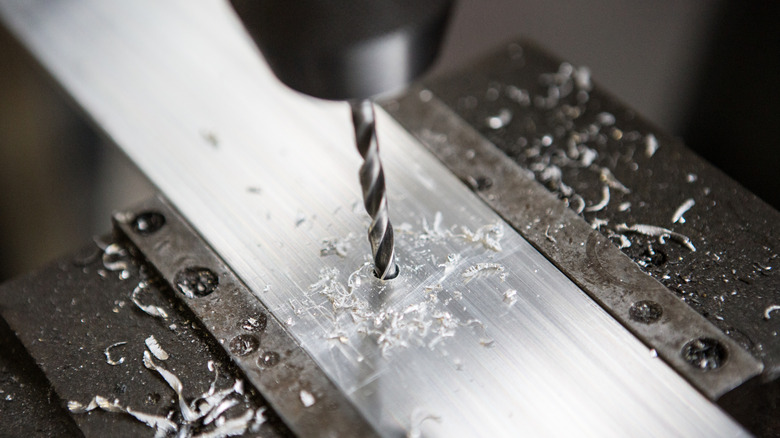
Steel alloys, including those with cobalt, are harder and more heat-resistant than plain carbon steel because of the blending process itself. When cobalt is added to steel, it changes the alloy from within, giving it a different internal structure that holds its hardness under heat. That change allows cobalt steel to maintain its strength, hardness, and heat resistance. This is why steel alloys consistently hold up in conditions where plain steel would soften, wear down, or even fail.
Since cobalt drill bits are so durable, reliable, and effective, why aren't they used for every task? The truth is that different materials call for different bits. Softer materials like wood and plastic don't necessarily need the strength and heat-resistant capability of cobalt drill bits. All-purpose drill bits handle those materials just fine, but it doesn't work the other way around. General-purpose drill bits aren't designed to consistently handle the high temperatures that occur when drilling into stainless steel and other metals.
Even diamond drill bits are a good example of "the right bit for the right task." Though diamond drill bits can be used for some DIY projects, they are a more specialized tool. Diamond-coated bits are used for grinding through extremely hard materials, including stone and concrete, rather than cutting the way standard bits do. Diamond bits can work through these surfaces because of their hardness, whereas standard bits would quickly dull or potentially fail.