

Engine Hours Vs. Idle Hours: What's The Difference?
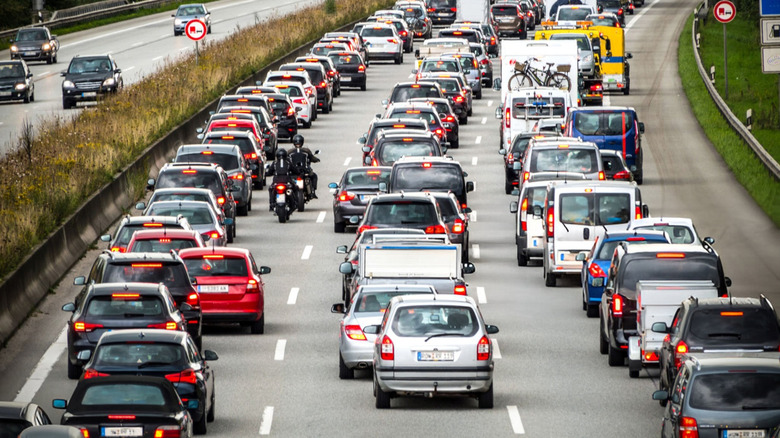
When drivers hear the word "idling," they may think about sitting in traffic at a stoplight or leaving the car running in a fast food drive-thru. Both situations count as idle time, which refers to any period when an engine is running but the vehicle itself isn't moving. Unfortunately, excessive idling causes wear and tear on your engine, and that stationary time still contributes to your vehicle's total engine hours.
By definition, the term "engine hours" refers to the total running time of a vehicle's engine, whether it's moving or sitting still. That means every minute you spend driving, warming up your car, sitting in traffic, or just idling in a parking lot contributes to the overall total. Idle hours are simply the portion of that running time spent while your vehicle isn't moving.
Engine hours are so important that many commercial businesses track them for their vehicle fleets. This is because mileage alone, even in a used diesel truck, isn't a proper measurement of just how much wear and tear a vehicle's engine has actually experienced. For example, two cars with similar mileage can have very different engine hours, depending on how they were used. In some cases, heavy idling can add a lot of engine time without adding that many miles overall.
The impact of excessive idling
Continuous idling can lead to a decrease in engine efficiency over time, along with other internal engine issues. That's because an idling engine is running without the same working load and operating conditions it experiences during normal driving. Without that heat and pressure, the engine's combustion cycle is less efficient, and internal conditions become less ideal. This is especially true for modern diesel engines, which are designed to perform best while under load.
Idling can eventually lead to carbon buildup in key engine components, including the vehicle's exhaust system and engine cylinders. It can also reduce oil quality over time. That's because fuel can mix with the engine oil during low-temperature, low-load operation. This affects how well the oil lubricates and protects internal engine components.
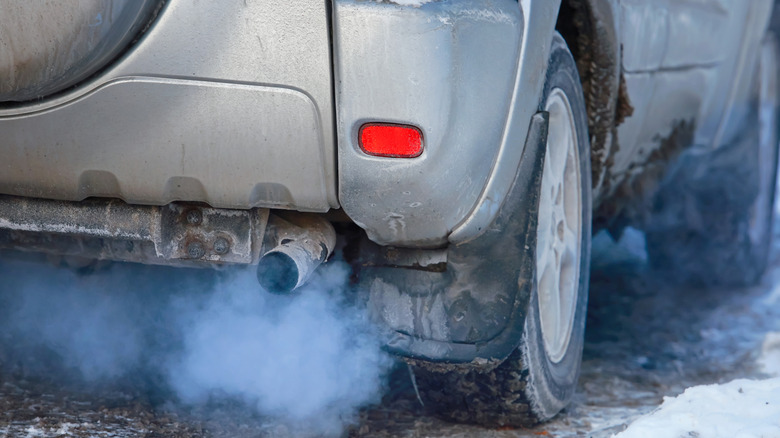
However, mechanical issues aren't the only problems caused by too much vehicle idling. Unnecessary idling means more harmful exhaust fumes are produced, which contribute to both air pollution and impact the climate. An idling vehicle is also wasting fuel, which can get expensive over the long term.