

ACSI Data Says This Android Phone Brand Has The Highest Customer Satisfaction
When you purchase a smartphone, you're not only purchasing a piece of hardware. You're also investing in a promise from the manufacturer. Because our phones have become so pivotal in organizing our lives — making photographic memories, planning our schedules, managing our finances, and more — many consumers choose their devices based on what they promise to do for them. At the very least, you're hoping for a frictionless experience when doing the basics like calling and messaging, but it's also nice if the phone adds value in other areas through helpful features, a unique form factor, and long-term software support. But which brand actually ranks the highest? According to the most recent data, it's not the one most people might guess.
One of the foremost organizations tracking brand satisfaction for consumers in the smartphone market is the American Consumer Satisfaction Index (ACSI), the product of a private market research group by the same name, which often functions as an economic indicator. Each year, it releases a study measuring consumer sentiment for telecommunications, cell phone, and smartwatch brands. This year's data was released in late May, and it shows one Android brand surging ahead of the competition.
Samsung, not Apple or Google, ranks highest for customer satisfaction among cell phone vendors in 2026, according to the ACSI data. While Samsung jostles with Apple for the top spot in global smartphone sales each year, Apple is the easy favorite for American consumers, dominating its Korean competitor with a staggering 60% domestic market share. Why, then, are Samsung Galaxy owners secretly happier with their purchase? Here's what we know after examining the data.
Samsung narrowly edges out Apple for customer satisfaction among cell phone brands
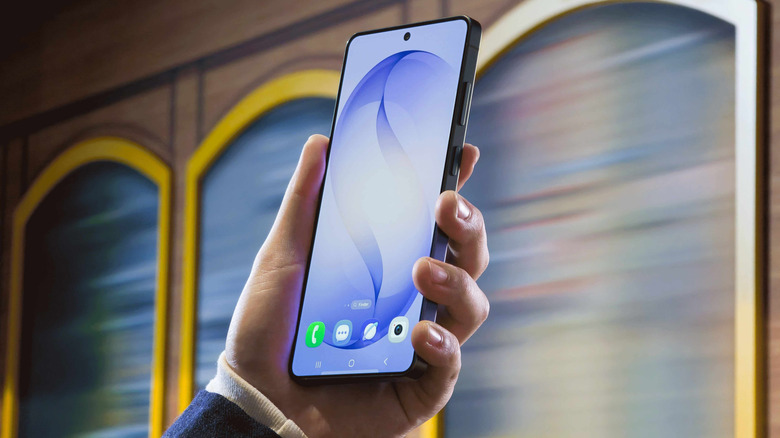
Samsung eked out a customer satisfaction win over Apple in the latest ACSI data, but only barely. The iPhone maker scored just a point lower at 80 than its largest smartphone rival, which received a score of 81. While Apple has worked hard for decades to establish a brand halo, Samsung is performing better with flagship owners as it rides high on the recent release of the Galaxy S26 Ultra. It landed a score of 84 in the flagship category compared to 82 for the iPhone. According to the ACSI, flagships are pulling up the curve for all brands, which the organization attributes to "stronger performance, higher perceived quality, and more robust ecosystems."
Samsung's score is further padded by its dominance in the domestic foldable phone market (more on that later) and by general phone use tasks. Regardless of brand, survey respondents reported the highest satisfaction with their smartphone when making calls or sending texts and when using AI features. Samsung has much deeper AI integration in its Galaxy flagships and foldables thanks to a close partnership with Google and its Gemini AI, which likely gave it an edge. Customer satisfaction was also high for "screen resolution and quality." Since Samsung is the number one commercial display manufacturer in the world, displays on its top-of-the-line smartphones are often among the best on the market.
Timing may also have influenced the data. Samsung made its latest flagship smartphones, the Galaxy S26 series, available for purchase in March, whereas Apple's iPhone 17 lineup made landfall in September of last year. Apple's customers have had more time to grow jaded with their choice of smartphone, while Samsung's may still have been enjoying a honeymoon phase when the ACSI data was collected.
Google and Motorola take distant bronze medals
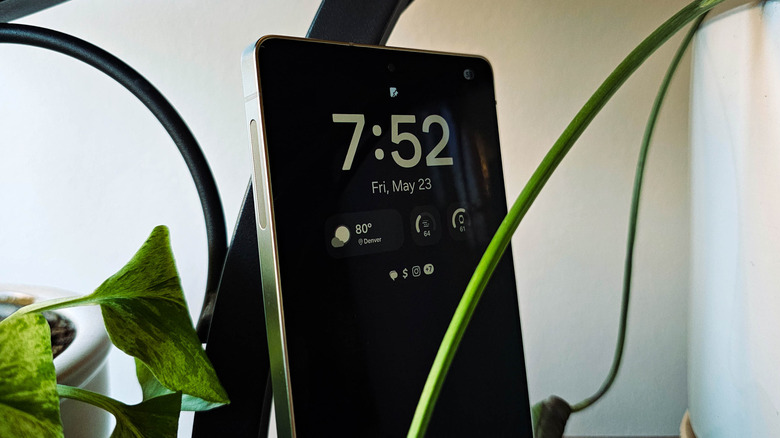
Rounding out the top charts for consumer satisfaction among smartphone brands are Google and Motorola. They tied for third place, each scoring 77 on the ACSI rubric. Google's Pixel sales have reportedly been on the rise, increasing by 25% in 2025 according to data from Counterpoint Research, but are still dwarfed by the sheer scale of iPhone and Galaxy operations. Motorola, meanwhile, is best known these days for its Razr folding phones and various budget-friendly phones such as the Moto G line.
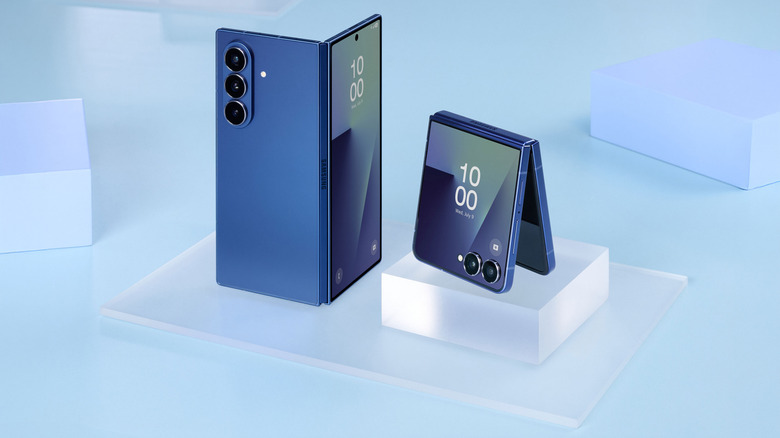
It's ironic to see Samsung beat Google in customer satisfaction for devices running the latter's own operating system. The search giant's Pixel 10 lineup was well reviewed, but its Tensor G5 processor is considerably slower than the Qualcomm Snapdragon 8 Elite Gen 5 found in the Galaxy S26 lineup. Samsung has a serious edge in the foldable segment of the market, which ACSI takes into consideration. The Pixel 10 Pro Fold lacks the pocketably slim design of the Samsung Galaxy Z Fold 7, and it hasn't optimized its software as heavily to support unique foldable use cases. Motorola revived the classic Razr brand for its own foldables, which are generally well regarded, but only made flip phones until its first book-style foldable, the Motorola Razr Fold, which launched after the ACSI data was released and was therefore not considered in the survey. It scored 10 points lower than Samsung in the category, with a score of 70. Apple, though it is expected to launch its first foldable iPhone later this year, is not yet considered in the category, and foldables were not factored into its score.