

With Fuel Prices Rising, Expect Your Oil Changes To Get More Expensive Too
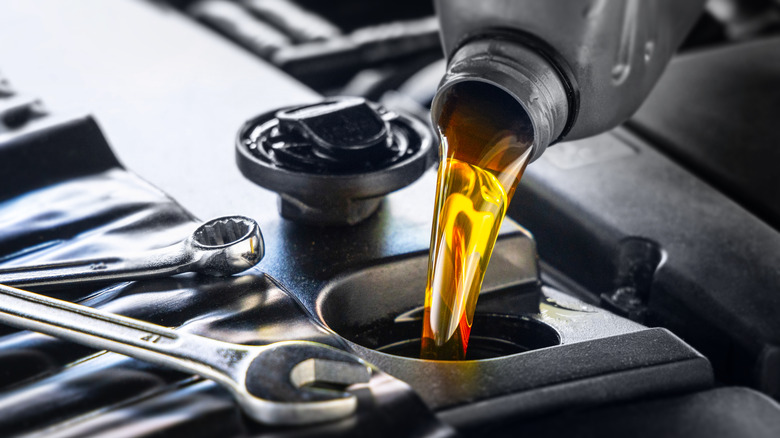
Fuel prices have been one of the hottest topics of 2026, and for good reason. Thanks to global fuel supply chain disruptions brought on by the Iran War, U.S. gas prices hit a four-year high in May 2026 and aren't likely to come down for some time. This situation isn't only impacting how much it costs to fill up your tank, though; oil changes may likely become more expensive too, as motor oil is another commodity that's expected to be in short supply due to the war.
As reported by outlets such as The Drive, the automotive industry is preparing for motor oil shortages in 2026, and it's down to two reasons. On the one hand, there's the Strait of Hormuz blockade, which has impacted the global distribution of oil and other commodities. On top of this, damage to refineries and other essential infrastructure near the waterway has also limited oil production since the start of the war.
With a serious shortage on the horizon, the automotive industry is responding as best it can. In addition to passing higher costs onto consumers, it's doing what it can to ensure folks willing to pay up can even get oil changes in the first place as supply begins to dwindle.
How the industry is reacting to the prospect of a shortage
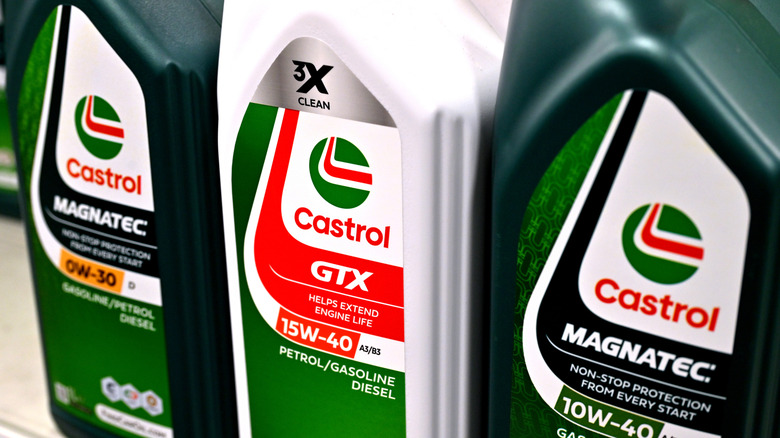
Naturally, one of the first things those in the automotive and oil industries have done is consult the United States government. Unfortunately, talks with the Department of Energy haven't yielded many concrete solutions. Speaking to CNN, Holly Alfano, CEO of the Independent Lubricant Manufacturers Association, said that while the department is trying, the factors behind the shortage are largely outside its control. The same CNN report also included a statement from Ben Dietderich, the DOE's press secretary, who told the outlet that the DOE is "ready to take additional action, if needed, to help avoid supply disruptions."
Oil manufacturers are also taking steps to limit the effect of any shortages. Some have suggested that drivers use higher-viscosity oil in some vehicles in place of thinner blends — a risky maneuver, since thicker oil than recommended could lower fuel economy and make cold starts harder.
The notion of adjusting oil service intervals has also been floated, with consumers encouraged to run their current motor oil for as long as possible before going in for a refresh. Regardless of whether you change your motor oil yourself or go somewhere to have it done, there's no way to avoid the fact that the oil itself looks like it's getting more expensive in 2026.