

What Is The Average Lifespan Of An Air Compressor?
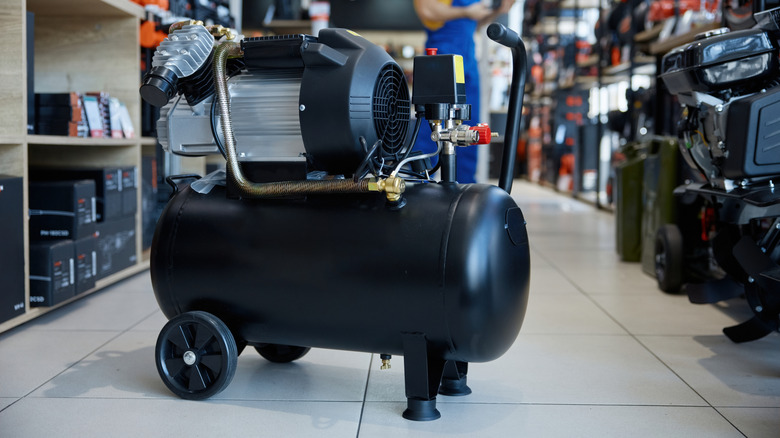
A reliable and affordable air compressor can be a valuable piece of equipment at home or on the jobsite. But when it comes to longevity, its actual lifespan can vary significantly depending on the type. In general, most air compressors can last anywhere from five to twenty years. For example, centrifugal air compressors tend to last the longest at more than 250,000 operating hours, or about 28 years.
At the other end of the scale are reciprocating air compressors, which generally last about 50,000 hours, or around six years. In between are rotary screw air compressors that can top 100,000 hours, or more than 10 years. There are also oil-free rotary screw compressors that are typically rated for around 70,000 hours, or eight years. But it's worth noting that not every unit will meet or exceed these lifespans. The actual service life of each specific air compressor type can vary. The brand of air compressor also matters, as build quality and overall performance can impact longevity.
Getting the most life out of an air compressor
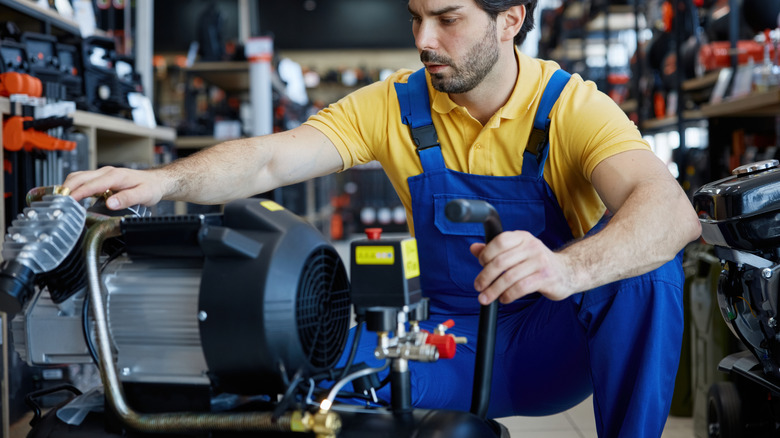
An air compressor's lifespan can either increase or decrease based in part on how it's used. It begins with how often and how hard the unit runs, as frequent operation can lead to a shorter overall lifespan. The environment also plays a part, as air compressors exposed to constant moisture and heat can sustain damage to the internal components. Using the right size compressor for your air tools is important as well, to reduce the risk of unnecessary strain on the unit.
Routine maintenance is another major factor and, for oil-lubricated models, includes checking the compressor's oil levels, then topping off as needed. The tank should be drained to eliminate any built-up moisture, and the air filters require regular inspection as well. Inspecting the filters regularly will ensure that any debris or dust does not interrupt the airflow. That's why running the compressor in a well-ventilated area is also important, whether it's being used indoors or outdoors.
Being aware of the unit's behavior definitely plays a role. Random vibrations and weird noises are generally not normal and could point to mechanical problems happening inside the system. Air and oil leaks are also red flags that something serious may be happening, which could spell trouble down the road. Components like belts, safety valves, and fittings may need inspection, testing, or adjustment to keep the compressor going. Leaving these parts unchecked could lead to poor performance and reduced lifespan.