

Duramax L5P Vs LBZ: What's The Difference Between These Diesel Engines?
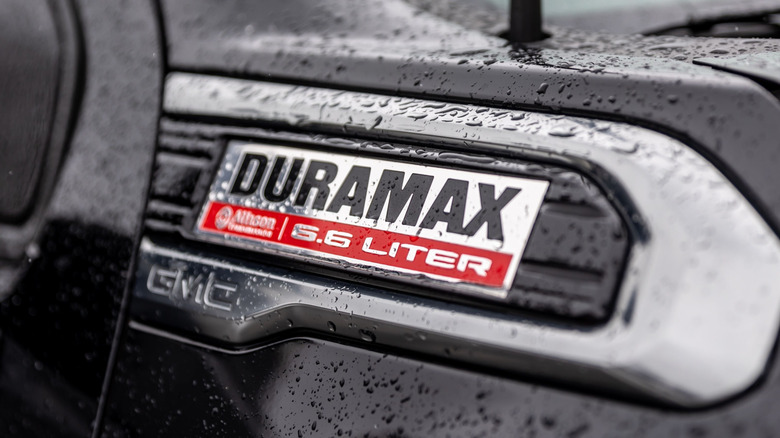
We've covered the broad strokes of everything you need to know about Chevy's 6.6L Duramax diesel engine from a few angles at SlashGear over the years. However, if you're new to diesel pickups, we should recap a few things, like the fact that in addition to Chevrolets, you'll also find Duramax engines in other General Motors (GM) vehicles, namely GMC trucks and SUVs.
The first 6.6L Duramax diesel engine, developed through a collaboration between auto manufacturer Isuzu and GM, premiered in 2001 as the LB7. The 6.6L LBZ Duramax made its debut midway into the 2006 model year but was replaced by the newer, emissions-compliant LMM Duramax in 2007. Although the LBZ was only in production for a short time, it's often considered the "Holy Grail" of Duramax engines by fans.
While the LBZ's lack of complex emissions controls and diesel particulate filter (DPF) is arguably one of its greatest strengths, the 6.6L L5P is generally deemed GM's most technologically advanced Duramax engine. The L5P came out in 2017 and, with a few upgrades over the years, serves as the current 6.6L Duramax iteration across the Heavy Duty GM lineup.
In stock form, the LBZ Duramax produced 360 horsepower and 650 pound-feet of torque. When the L5P debuted, it had 445 horsepower and 910 pound-feet of torque. From 2024 into the 2026 model year, power has increased to 470 hp and 975 pound-feet of torque.
Is the LBZ or L5P the better Duramax?
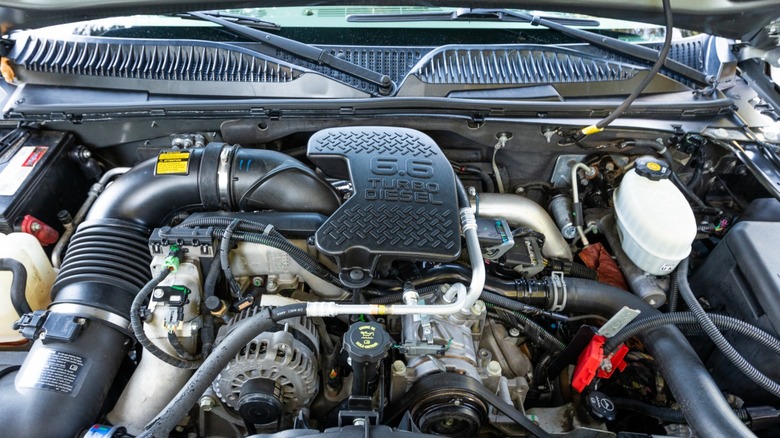
Deciding which GM Duramax diesel engine is better will depend on your intended use, desired level of technology, and whether you're concerned with limiting your vehicle's emissions. We've already discussed the L5P's 110 horsepower and 325 pound-feet of torque advantage over the LBZ in stock form. However, one of the traits that makes the LBZ so popular among diesel engine enthusiasts, aside from being one of the best diesel engines ever put in a pickup truck, is its tunability.
Reports from the internet frequently point to modified LBZ Duramax engines exceeding 600 horsepower and 1,300 pound-feet of torque. Beware that achieving those goals could prove too much to handle for the stock Allison automatic transmission that comes with the LBZ. In comparison, the L5P also responds well to aftermarket tuning and modifications, and its Allison 10-speed transmission (starting with the 2020 model year) is more robust.
Other than the LBZ's old-school-cool factor, lack of DPF system, and lower prices of the older trucks in which they came in, the Duramax L5P provides greater power and a more refined driving experience. However, the L5P can be prone to potential water pump problems around 60,000 to 80,000 miles and fuel injector clogs and leakage in the 70,000 to 120,000-mile range. Visually inspect the coolant level and look for leaks every oil change. If replacement is necessary, a heavy-duty aftermarket pump can suffice. Regarding injectors, using premium diesel, a fuel additive, completing maintenance on time, and purchasing quality aftermarket replacements foster longevity. The L5P also has a more intricate emissions system, making repairs more complicated and expensive while increasing the risk of post-service sensor issues.