

Gas Station Mix-Up Shows What Happens When Regular Engines Get Diesel Fuel
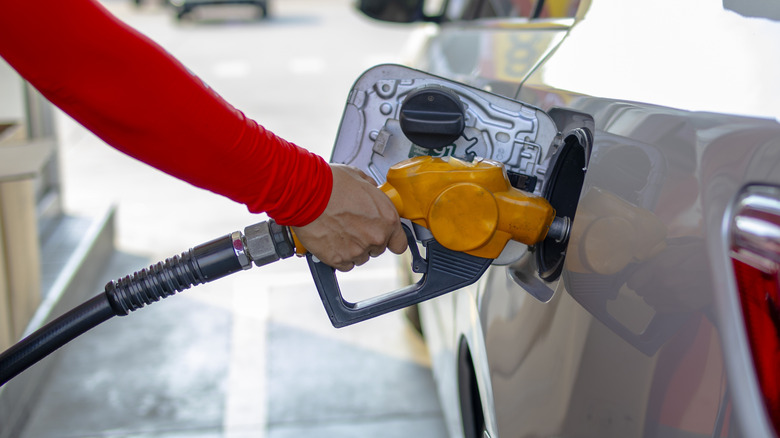
If you've ever accidentally grabbed the diesel fuel nozzle at the gas pump, then you know just how scary of a moment it can be. Though the nozzle itself likely won't fit the filler neck on your vehicle, it doesn't stop you from panicking a bit at the thought of getting diesel into your gas engine. That's exactly what happened to some drivers in East El Paso, but it was through no fault of their own.
The incident took place in early May 2026 at a Circle K station in El Paso, Texas. Drivers began reporting problems with their vehicles after fueling up, and it was discovered that a third-party delivery caused diesel fuel to accidentally be pumped into a gasoline storage tank. Customer complaints included everything from stalling engines, to loss of power, and in some cases, failure to start altogether. Some customers even needed vehicle repairs, which took place after mechanics identified the issue as fuel contamination.
The company said only the premium and mid-grade tanks were affected, and sales of those fuels were stopped after the issue was discovered. Following this move, the contaminated tank was emptied, cleaned, and refilled with gasoline. Testing later confirmed that the problem was corrected, and normal business has resumed at the location. As of this writing, Circle K is still reviewing and processing customer claims related to the incident.
What really happens during a fuel mix-up
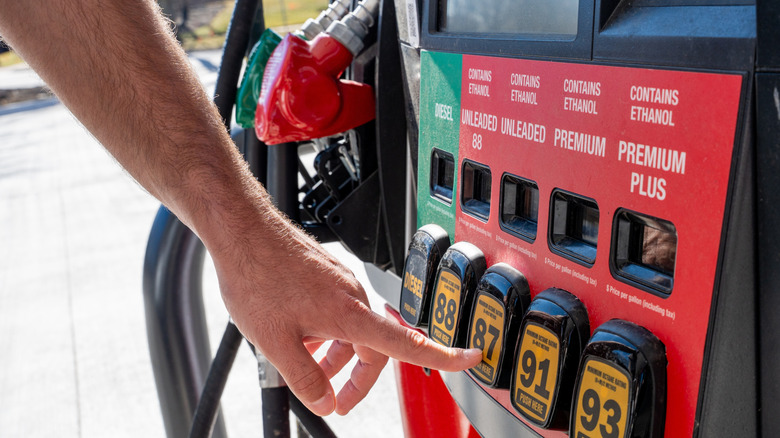
The reason diesel fuel negatively impacts a gas engine has to do with a number of factors, beginning with how each system is designed to work. Diesel fuel is visibly thicker than gas, less combustible, and meant for use in compression-ignition engines. This means that diesel cannot properly ignite in a gasoline engine. What's more, it can also clog both fuel filters and injectors, which can wreak havoc on normal fuel delivery. If enough diesel fuel gets into a gasoline engine, serious damage can occur.
Similarly, when gasoline goes into a diesel engine, it causes havoc as well. Gasoline is thinner, more combustible, and is designed for spark-ignition gas engines. Because of this, predictably, gas won't properly ignite in a diesel engine, causing the engine to run rough, produce excessive smoke, lose power, or struggle to start up. In this case, fuel injectors, fuel lines, and other components, can be affected, which could lead to severe damage to the engine.
For drivers that suspect they have the wrong fuel in their engine, whether diesel or gas, the best move is to not start it. Starting up, and especially driving, can contaminate the fuel system, and eventually, the rest of the engine. A local mechanic should be contacted next, to determine the best course of action. The vehicle may need to be towed in for service, where the problem can be addressed as soon as possible.