

This Temporary Solution For High Fuel-Prices Isn't Ideal For Every Type Of Engine
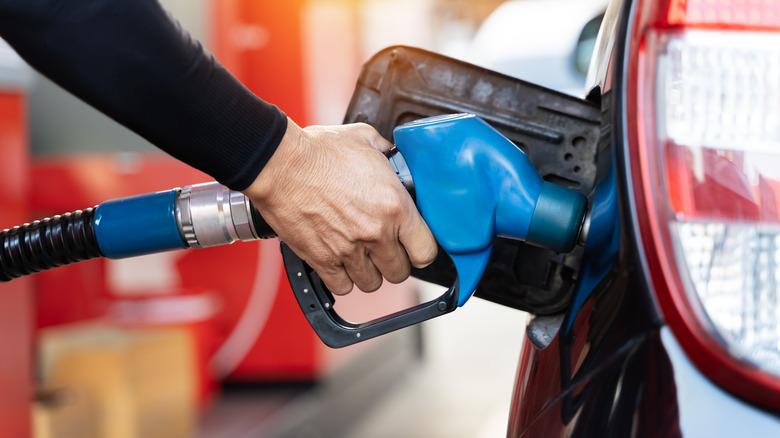
Fuel prices across the United States and the world at large continue to increase. Gas recently hit a four-year high and it'll be some time before it drops, leading to a federal effort to reduce the economic impact of higher prices. The EPA approved the nationwide sale of E15 fuel beginning May 1, with availability initially scheduled to continue until May 20. Some states have committed to making it available for longer, though: Florida, for example, began selling E15 on May 1 and will continue selling it for 90 days.
E15 is a winter mixture that contains between 10.5% to 15% ethanol — a slight increase from the 10% ethanol of typical gas. E15 is usually 5 to 10 cents cheaper per gallon, which should help offset the increased fuel costs. Unfortunately, not all drivers can or should take advantage of this move, as not all cars can use it safely. Ethanol is a form of alcohol; inside an older car can dislodge rust in the fuel tank (thereby gumming up the fuel system), wear out parts like fuel pumps, and get stuck in filters. It's generally only recommended for cars built after 2001 and those with flex-fuel capabilities. Motorcycles, engines on equipment like chainsaws and lawn mowers, heavy-duty vehicles, and off-roading vehicles should also avoid using E-15. E-15 won't just affect some vehicles, either; there are also economic and environmental elements to consider.
Further impacts of E-15 fuel use
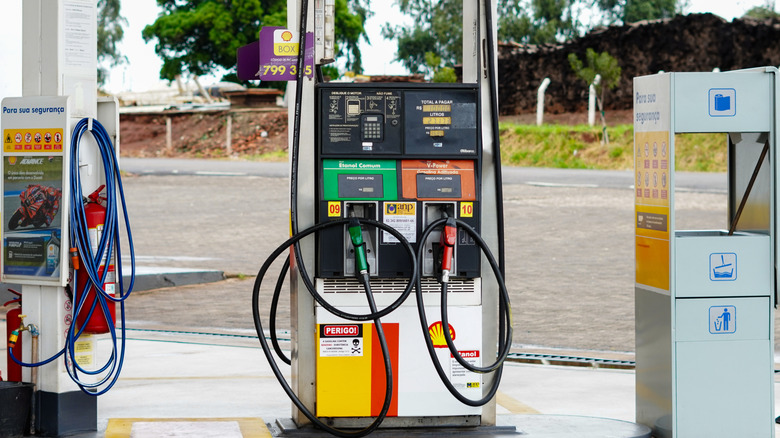
On top of its incompatibility with older vehicles, there are other downsides to E15. For one, 15's higher ethanol content means it will offer slightly lower fuel economy than E10, although there's an argument to be made that other factors like driving speed, wind, and more will have a larger impact on your vehicle's fuel economy than the additional ethanol in your fuel tank. Still, even if you did everything to avoid wasting fuel in your car, odds are E15 will still send you back to the gas station a bit sooner by virtue of its lower gasoline content.
Meanwhile, there's the matter of E15's environmental impact. Overall, there are conflicting reports regarding whether it's a greener alternative to normal gas. It has been claimed that warmer temperatures are linked to increased evaporation of E15 and eventual smog formation. This is not a view shared by all: A 2023 study published in Fuel, for example, found that E15 is more environmentally-friendly than regular gasoline, with reduced emissions across the board. At the time of publication, there's still a fair amount of time left for U.S. drivers to fill up with E15, so those with the right vehicles should be able to save some money at the pump — hopefully without any adverse effects on the environment.