

Over 100 Years Later, California Finally Has A New Way To Get Gasoline

For the first time in more than a century, California is getting domestic fuel delivered by foreign vessels, a practice first blocked by the federal government in the wake of World War I. Previously, the Jones Act kept foreign-flagged tankers from moving fuel between U.S. ports, but the federal government has put a temporary pause on enforcing it. According to a statement posted by the White House Press Secretary, Karoline Leavitt, it's all in hopes of relieving some of the strain on the world's oil markets during the ongoing conflict in Iran.
Since 1920, the Jones Act has said all goods transported between American ports have to travel on ships built in the United States, be owned by U.S. citizens, and be staffed by American crews. The law was first put in place to strengthen domestic shipping and support national defense, and it's stayed in place for over one hundred years, with waivers few and far between. The pausing of the Jones Act is an especially major development for California. The state has no major fuel pipelines coming in, not to mention some of the nation's highest gas prices.
Will the Jones Act waiver help bring down gas prices?
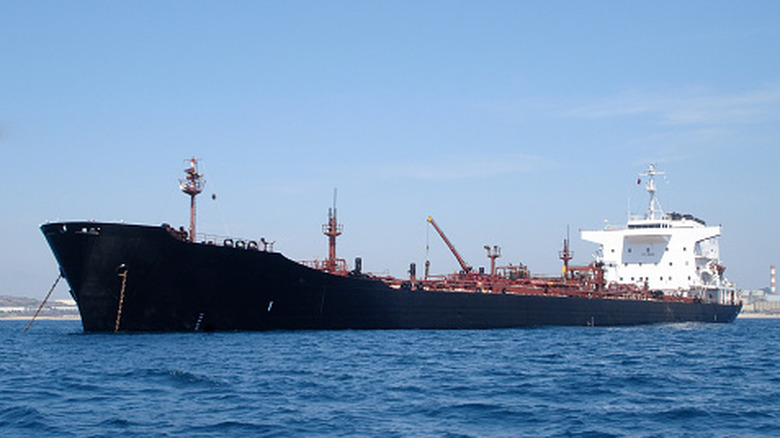
Now, with a limited waiver in place, foreign-registered tankers from countries such as Liberia and Denmark can carry gasoline and petroleum blending components from Gulf Coast refineries and other American ports straight to California. The waiver was first implemented in March and was initially scheduled to expire in May. However, the federal government has since extended it for another 90 days. The initial pause successfully improved supply flexibility, but that needs to continue while the global energy trade remains unstable.
Some energy analysts and maritime experts aren't sure how much the policy will actually affect prices at the pump, if at all. For instance, Forbes' Robert Rapier said that the waiver affects logistics more than the supply. Plus, fuel prices are ultimately tied to global crude oil markets, which is different than gas. Oil tends to fluctuate more due to international instability and production concerns. Time will show whether the waiver ends up getting extended again when the 90 days are up.