

4 Design Features That Make Even The Nicest Car Look Dated
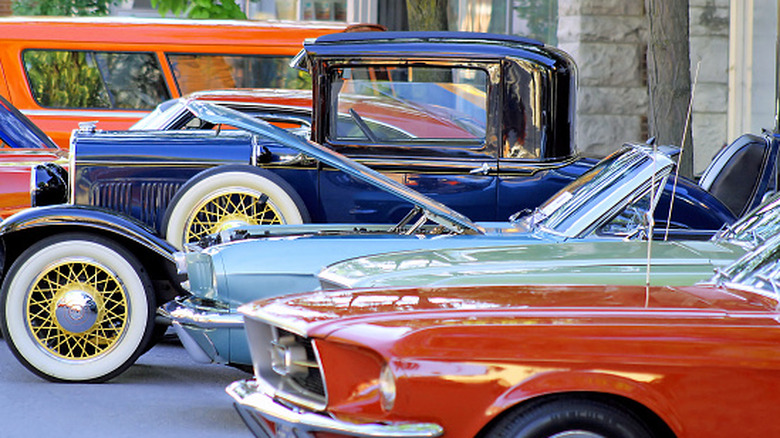
Styles change, trends evolve, and fads fade. We probably have nostalgic memories of our grandparents' home, with its dated patterns and old appliances, but it can be painful to look back at pictures of ourselves from 20 years ago. We wonder what we were thinking when we got that haircut or picked out those jeans. The same is true for cars — we can often look at a vehicle and know about how old it is, simply from its styling.
The 1950s saw huge tail fins and lots of chrome. By the 1980s, boxy was in, while the '90s loved pop-up headlights and smooth lines. Inside, two-tone styling comes and goes, while interiors have gradually become more spacious, luxurious, and modern. Today, obvious giveaways like vintage faux-wood station wagon paneling or a complete lack of infotainment screens allow us to instantly date a vehicle. However, there are other, more subtle design choices that can make even newer cars feel old.
Here are four design features that many buyers wish automakers would leave in the past with ashtrays and manual crank windows.
A lack of physical buttons
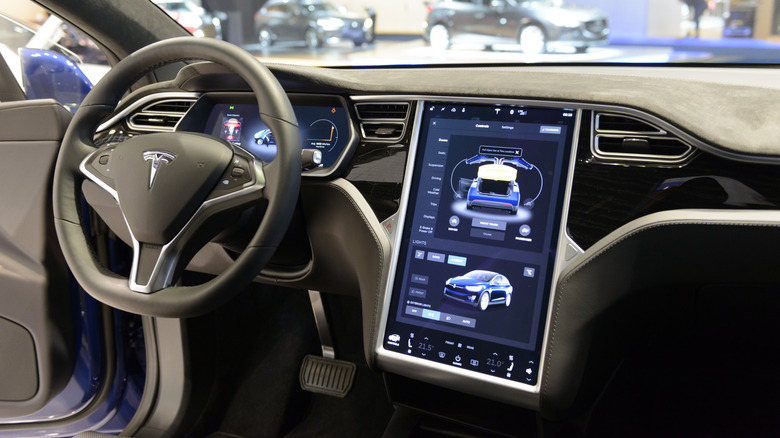
In the 2010s, as touch screen interfaces and infotainment systems were gaining traction in the auto industry, many automakers began ditching physical buttons, knobs, and dials. Tesla led the charge into the world of digital interfaces, embracing a tech-heavy yet minimalist interior. The change was partly practical — cars were gaining many new features, including tech and safety options, that couldn't be controlled with a new button or knob. It's also cheaper to tie functions to a pre-existing touch interface.
But some automakers took it to a level that simply frustrated customers. Honda removed the volume knob from some models for a brief period of time before adding it back in due to customer demand, and Tesla even briefly did away with the turn signal stalks on several of its new models, inspiring some owners to install their own. Some manufacturers turned to touch-sensitive capacitive buttons, which many drivers also find frustrating.
In 2025, Kelley Blue Book reported that physical buttons are making their way back to automobiles. While touch screens are here to stay, data shows that physical controls are not only preferred by most drivers, they're also safer. As the tide turns again, drivers will be able to pinpoint a vehicle's age based on the lack of user-friendly buttons and knobs!
Yellowed or hazy headlights
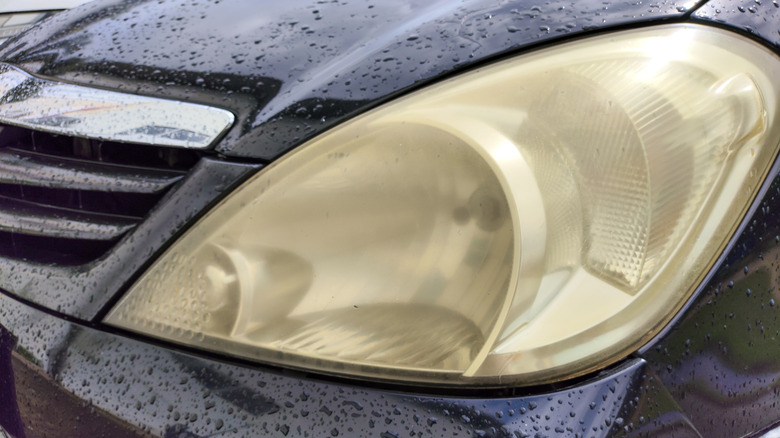
Today's vehicles have transitioned from halogen headlights to brighter, more modern LED lights. While some may complain that contemporary headlights are too bright, there's no denying that the brighter white lights are easy to spot in the dark and look significantly different from older, more yellow halogen lights. But you can often spot older headlights during the day, too. The top response on this Reddit question about what makes a car look dated is yellowed or sun-damaged headlights. We're talking about the plastic covering over the light, not the bulbs themselves. The plastic can turn yellow for a variety of reasons, and it typically happens over time, which is why it's often a problem for older cars.
The plastic lens is susceptible to oxidation, simply reacting to oxygen over time. The chemical reaction slowly breaks down the plastic, leaving it faded and discolored. The sun can also cause damage, especially if a car is stored outdoors, degrading the plastic and causing it to yellow. Heat from the bulbs, scratches from normal wear and tear, and extreme weather can also prematurely age the lenses.
To restore your headlights, you can hire a professional or purchase a cleaning kit. The process typically involves cleaning, sanding, polishing, and sealing the plastic lenses. UV sealant will help protect your headlights and keep them looking like new. Unfortunately, replacing just the lenses isn't always possible, as most vehicles from the last two decades use completely sealed headlight assemblies that must be swapped out entirely.
Faux wood trim
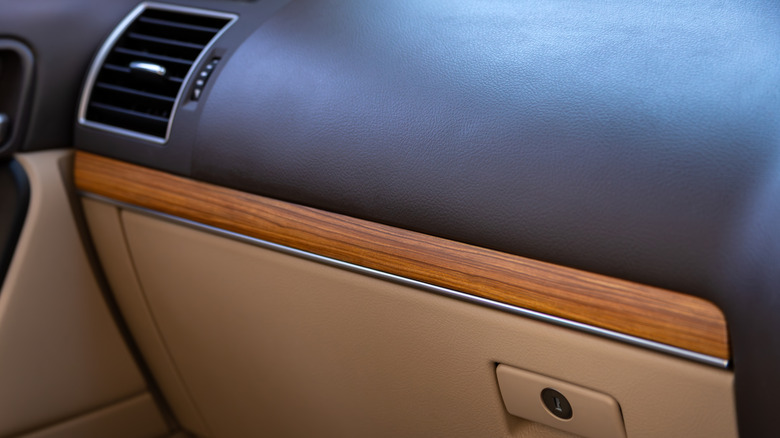
If you didn't grow up with a wood-paneled basement or faux wood features in your living room, then you probably had a friend with this now-polarizing design aesthetic. It may have felt dated in homes, but at the same time, it was a popular design choice inside cars. Believe it or not, the wood look inside vehicles, faux or otherwise, harkens back to the days of horse-drawn carriages. Those carriages often featured leather or wood boards that helped keep the passenger cabin clean from dirt stirred up by the horses. It's not only where the term "dashboard" comes from, but it's also why early cars often featured wood elements. Flash forward to the 1980s and 1990s, when luxury cars often featured real wood trim inside. This option was too expensive for more budget-friendly cars, so some automakers opted for fake wood trim instead.
Today, those faux wood accents usually look, well, let's be honest, fake and cheap. Most new cars now use durable plastic inside, with other synthetic materials like vinyl and vegan leather. The wood fad hasn't completely disappeared, however. Real wood trim can be found inside several high-end, luxury vehicles. Bentley offers a wide range of wood choices, and the Rolls-Royce Bespoke division allows customers to personalize their vehicle with a selection of fine materials, including wood "of your choosing."
Automatic seat belts
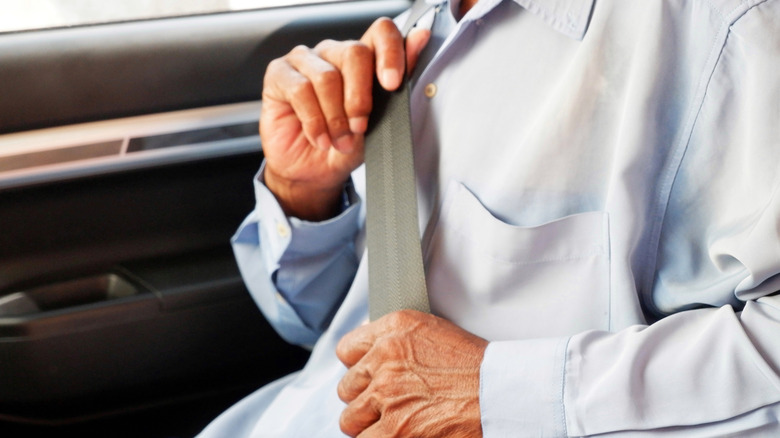
The first seat belt was patented more than 140 years ago in 1885, and they became mandatory in all new cars in the U.S. in 1968. Your grandparents may remember riding around without this safety restraint, but for most of us, seat belts are just a daily part of life. Wearing one can save your life, but some people still choose not to, which is why President Jimmy Carter introduced legislation requiring the auto industry to install either automated seat belts or airbags. While the deadline was repeatedly pushed back, many automakers went with automated seat belts because they were cheaper, and they became a hallmark of early 1990s vehicles.
If you're young enough that you've never been inside a car with automatic seat belts, they are exactly what they sound like. A mechanism slid from the windshield to the space between the front and rear doors, securing the belt across the user's chest. The lap belt still had to be secured manually, and this design was part of the downfall of automatic seat belts. Many just didn't wear the lap belt, which proved to be a dangerous choice, and in the mid-1990s, driver's side airbags became mandatory. Ultimately, car manufacturers were required to add airbags to the front passenger side as well, leaving no room for automatic seat belts, and they quickly disappeared from new cars. Today, if the car's styling doesn't give it away, automatic seat belts are an obvious hint that the car was made in the 1990s.