

What Is The Downside Of Using Concrete Sealer On Your Driveway?
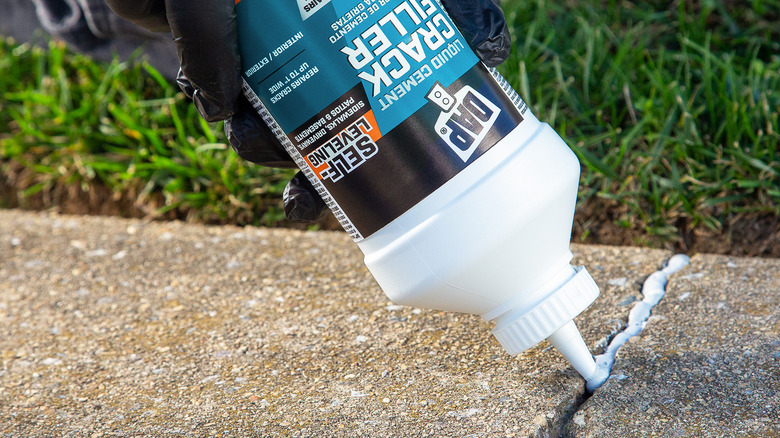
Concrete driveways are strong, have impressive load-bearing capabilities, and can last for over 30 years if properly maintained. Despite these perks, however, they can still develop cracks due to poor installation, an unstable foundation, and temperature fluctuation. A cracked driveway doesn't just ruin your home's aesthetics; it can impact your property's resale value. Cracks can also pose safety hazards and allow weeds to get a foothold, which can cause more issues if left unchecked.
Luckily, there are solutions to this issue. Unless your concrete driveway is severely deteriorated, one of the easiest ways to say goodbye to cracked concrete is to apply a sealant. This affordable product can help restore your driveway's curb appeal and preserve its appearance. Concrete sealants shield your driveway from many potential hazards, including water damage, stubborn oil stains, harsh weather, and UV radiation.
While using sealants to fill cracks in your driveway may seem like a great idea, you should know they are not perfect. They have some cons that are crucial to understand before you decide whether (or not) they are the right solution for your driveway. One of the biggest drawbacks is that exposure to UV rays, heavy traffic, and weather can cause the sealant's sheen to fade or turn yellow. This will result in an unsightly appearance, meaning you'll have to do frequent touch-ups.
There are other downsides to using a concrete sealant
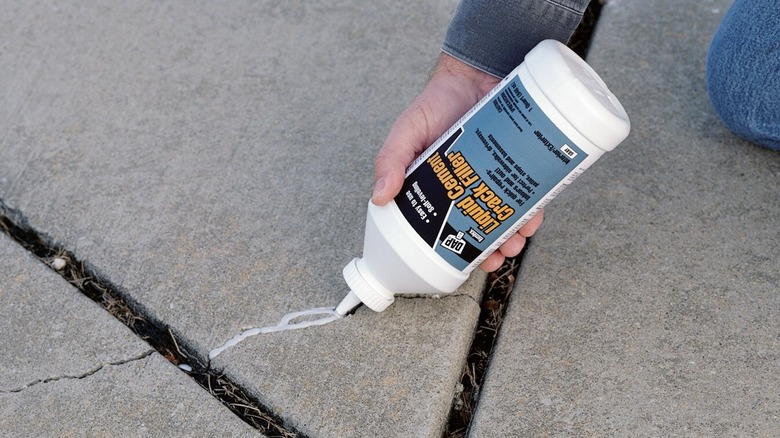
Yes, sealants are supposed to repair a cracked concrete driveway, but that doesn't always happen. Sealant can shrink when subjected to heavy traffic and harsh weather conditions, which may result in cracks forming and expensive repairs. Another drawback to using sealants is the fact that it's not a one-and-done kind of deal. You'll have to reseal the driveway at least every few years, which can be a hassle. After all, you'll have to widen the cracks, pressure-wash the entire area, clean the cracks with a wire brush to remove loose debris, and then use an electric caulking gun to seal them properly.
There's also the risk of moisture getting trapped with the sealants, which is of particular concern if you live in an area with extreme freeze-thaw conditions. This can usually be avoided by preparing the area appropriately and choosing the right type of sealant. If mistakes are made in the process, however, the sealant may not bond correctly with the concrete. As a result, moisture can get locked beneath the surface, causing it to flake, chip, or otherwise deteriorate when there is enough of a temperature change.
Finally, there is also a safety issue related to using sealants to repair a cracked driveway. Sealants are slick, which can create a slipping hazard on sloped driveways, especially when the concrete is wet or covered in oil. This can be avoided by adding certain topcoats, but ultimately that also adds more work to your plate.