

4 Things You Should Always Keep When Decluttering Your Garage
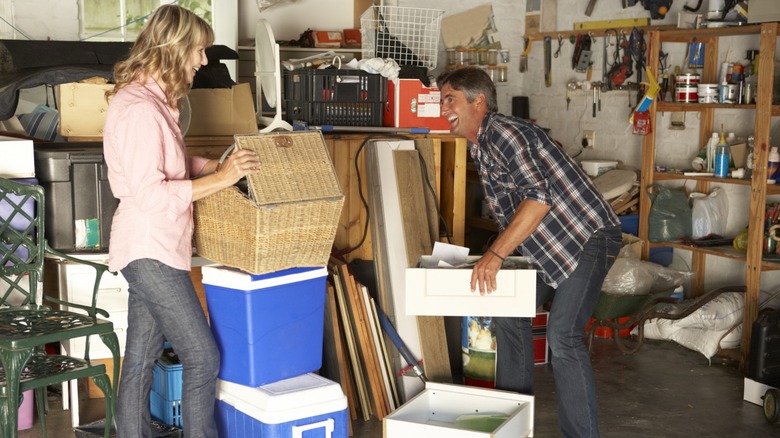
Garages usually start out holding cars, bikes, motorcycles, maybe a workbench, a few tools, and some storage. But over time, they often become a convenient place to stash all manner of items "just for now." For a lot of people, out of sight quickly becomes out of mind and, before long, "just for now" stretches into months or even years. Before you know it, the garage is packed with things you barely think about anymore.
It's usually at this point that the urge to declutter kicks in. You look around and realize you need more room, less mess, and a space where you can actually find what you need without digging through piles of dusty boxes. But clearing out the garage is not always as simple as throwing away everything that looks old or unused.
Sure, some things obviously need to leave your garage, especially anything expired or broken beyond repair. But among the pile, you may also come across some items that seem pointless until the day you need them for an odd repair, a seasonal task, or even an emergency. Imagine throwing out an old power tool, only for the newer one to break down. So, before you start filling trash bags, here are some of the items you may want to hold on to.
Manuals, maintenance records, and receipts
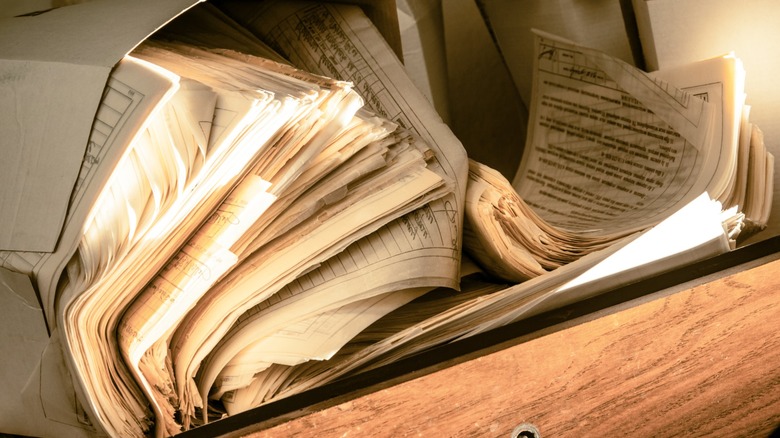
Why keep a stack of old, dusty manuals when everything is online these days? Well, it's true that there's a lot of product information available online. But not all of it is, especially when you are dealing with older, discontinued, or not-so-common devices. In cases like that, the original manual remains the easiest place to find the details you need if you ever have to reconfigure, reinstall, or troubleshoot a problem.
There is also the fact that having the original manual and relevant paperwork can make it much easier to sell that item later on. A car, for example, with a complete set of service records and a clean title can increase your car's resale value because it shows you've properly maintained the vehicle. You can apply the same logic to other things like power tools, riding mowers, and large appliances. When the paperwork is still intact, buyers have fewer reasons to hesitate or haggle.
Another thing people throw out too quickly is receipts. When trying to process a warranty claim, for instance, not being able to find a receipt can turn the whole thing into a frustrating process. Some people have had their claims denied altogether simply because they can't provide a proof of purchase.
Also, when you keep physical copies, consider extra ways to make your important documents disaster-proof. That could save you a lot of money and trouble down the line.
Things that don't belong to you

If you don't recognize an item, instead of tossing it out, take a moment to consider who it belongs to or where it might have come from. It may be something you borrowed, or something someone asked you to store for them, or even something left behind. If you don't recognize an item, set it aside. A quick text or phone call can help you confirm if it should stay or go and can ultimately save you from a rather awkward conversation if they ever come asking for it.
Additionally, if you have only just moved into a home, keep in mind that the previous owner may have left behind some things that technically still belong to them. Bottom line, in some cases, not everything in your garage is yours to throw away. It's often better to pause and confirm who owns it before deciding whether to toss it. That's certainly cheaper than having to replace someone else's property because you were in a hurry to clear some space.
Sentimental value items
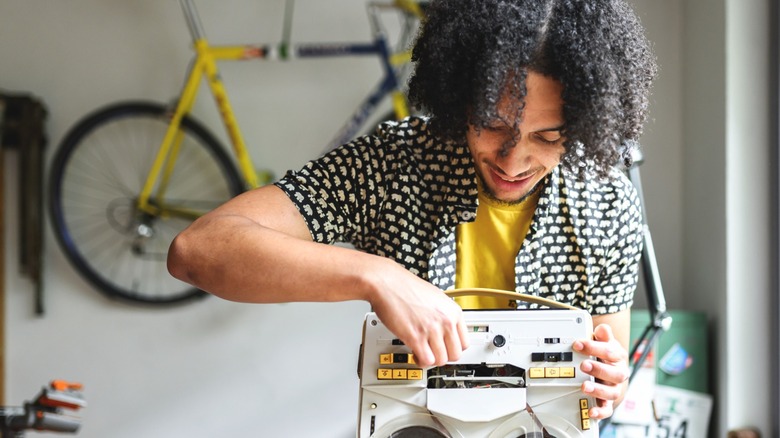
An old baseball glove, your kid's first roller skates, a box of handwritten letters, a signed jersey — none of these things are "useful" in the traditional sense. But we don't really keep these items because they're useful. The thing about sentimental items is that you cannot replace them once they are gone.
You can buy a new baseball glove, but you cannot buy the one your father taught you to catch with. Your grandkids can get new roller skates any time, but strapping on the same pair their mom or dad wobbled around in for the first time makes the experience all the more special. That said, it's still easy to talk yourself out of keeping a sentimental piece when you're staring at a cluttered garage you just want to clear out. The key is to take your time when sorting through these items and only keep the things that truly mean something to you.
Duplicate tools and appliances
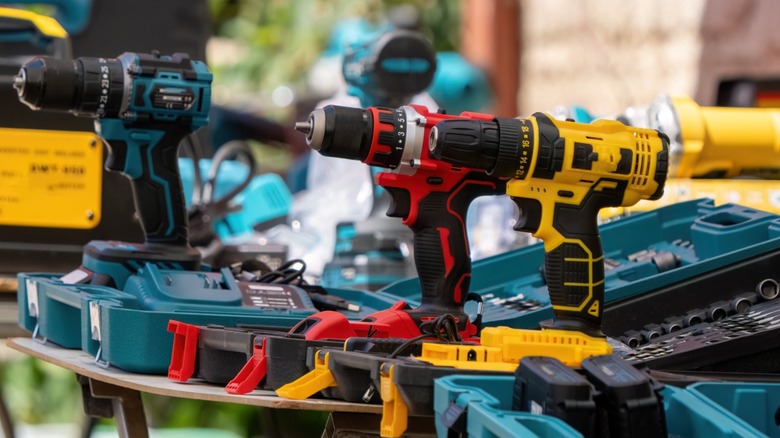
Appliances break, and they rarely do it at a convenient time. If your main vacuum gives out the night before guests arrive, or your go-to power drill dies halfway through a project, having a second one sitting in the garage means you can keep going instead of dropping everything to run to the store or waiting a few days to have it delivered.
Duplicates also come in handy for situations where you need more capacity. Think about a summer cookout where you are running two grills, or a storm cleanup where one leaf blower is handling the driveway while your kids are able to run the other one in the backyard. In situations like that, having two of the same appliances doesn't feel redundant. If anything, it makes the entire process that much more efficient.
Even if the older unit is not in perfect shape, it may still have compatible attachments, accessories, or parts that can be useful later on. Having a donor unit on hand can extend the life of the one you actually use daily. When any of these parts break, instead of buying replacement parts or paying for a repair, you can simply strip what you need from the spare and keep things running.
How we compiled the list

It is never easy deciding what to keep, so we started with one simple question: what do people most often regret throwing away? To answer that question, we looked through consumer forums like Reddit, read advice from reputable home and lifestyle publications, and even drew from our own personal experiences. We focused specifically on the kinds of things that tend to pile up in a garage over time. As it turns out, the cost of losing them is not always financial. In some cases, it could lead to a strained relationship. Imagine throwing out your neighbor's ladder or a friend's camping gear. But more often, it really is just a hassle to replace, like a car title, an insurance document, or a manual you were sure you could find online.
That said, there's no hard and fast rule to these things. What is worth keeping often depends on how difficult it would be to replace, and whether losing it would cost in some way, if not money, maybe convenience or nostalgia.