

7 Garage Upgrades That Might Not Be Worth The Money
The garage is a place in your home that experiences diverging usage needs. Many homeowners pile their nonessential stuff out in the garage, eventually allowing it to become overrun with all the things that don't really belong inside, a collection of outdoor gear like balls and bikes, and a smattering of tools. Others will fight that impulse and keep enough room in the center to park a car. Still others use the garage as a base of support for their home improvement projects, musical aspirations, or as a classic space to launch a side hustle into a fully-formed business idea.
No matter how you use your own garage, there's often an urge to upgrade some aspects of the multi-functional storage room attached to your home. Some are obvious for those who will spend even a moderate amount of time in the garage. Insulating the area if it wasn't done during construction helps keep it more comfortable, especially during the winter. Additional lighting is also a good point of focus. But plenty of high-impact upgrades can actually become a burden on your time and wallet. Numerous updates that work well in some garages ultimately become wasteful in others. I've personally lived with a garage space that has performed as a parking spot, dumping ground, and band practice area, to name a few (and more recently a detached shed that I've modernized into a storage and DIY workspace). Some of these updates I have personal experience with, while others fall naturally into a niche space that isn't going to be right for the average garage user.
High end flooring

One of the most natural places a homeowner looking to introduce premium upgrades will turn to is the floor. Flooring is a big deal in a home's living space, and plenty of DIYers actually take on the job using some key support tools. A premium flooring solution in the garage can bring level of comfort and sophistication out into this space, too. As a result, there are plenty of options for high end flooring installations, including vinyl, polished concrete, or even tile. If your garage is going to act primarily as a showroom of sorts, opting for these kinds of upgraded surfaces may be the perfect compliment. Homeowners anticipating using their garage as a luxury parking space as well as a hangout spot or game room for things like billiards or ping pong might get great value out of a premium flooring installation.
Naturally the problem lies with the price. Most renovators looking to enhance their home will be seeking high-impact options that provide some kind of boost to the environment on a regular basis. If you'll be using your garage as a storage space for all of your outdoor gear and other belongings that don't have a natural home inside, high-end flooring can easily become an expensive waste. Polished concrete, for instance, Averages $4,500 and can run all the way up to around $32,000 for large or complex areas (via Angi). That's a lot of cheese too drop on a floor you won't spend a lot of time walking across.
Opting for premium garage shelving installations
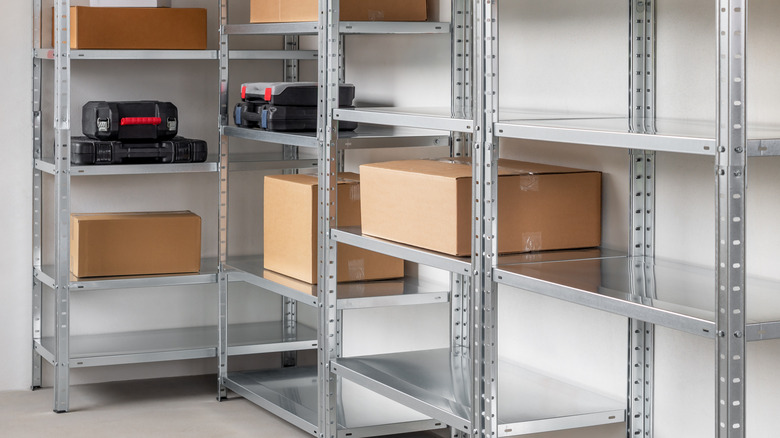
There's really nothing wrong with investing in quality shelving solutions for your garage. If you know what kind of installation you want, a prefabricated selection that fits the bill can be the ideal way to simplify the storage needs in this transitional, multipurpose space. However, in many instances the best sort of storage in the garage is the type you build yourself. Building vertical shelving units on your own allows you to customize every element of the design, such as adding smaller workspace upgrades like a power tool charging station interspersed within the build. Many homeowners won't have specific requirements beyond the desire for ample shelf space. With these kinds of needs, a basic layout with standard dimensions can make the task easy and fairly quick to complete.
Greater specification isn't all that challenging, however. Moving the horizontal shelves to create varying sizes or placing crossbeams at different positions along the dimension requires just a few extra measurements. Additionally, the task of creating these shelves yourself can be immensely rewarding. Many will build vertical storage elements from basic construction lumber and plywood or OSB sheets. The finished product might not be as refined as a premium installation, but even scrap material can be employed when building your own, allowing you to use up some of that lumber sitting in the corner of your garage waiting for a purpose. Moreover, if your needs change, it's also possible to alter the shelves to fit new requirements.
Adding an air conditioning system
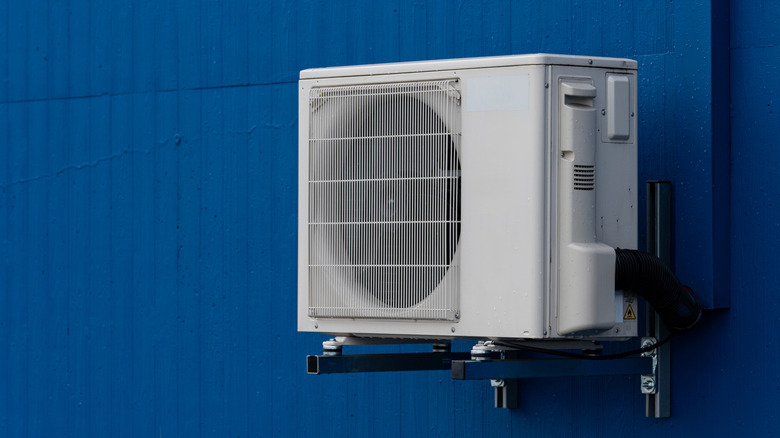
DIY woodworkers and home mechanics handling DIY engine maintenance often spend long hours toiling away in their garage. Working with power tools and building up a sweat while tackling these kinds of jobs can create plenty of heat in such a confined space. Some might consider installing a dedicated air conditioning system in the garage to help manage the environment and keep things at a more comfortable level. Garage-based air conditioning systems tend to be smaller units and they're far less complex than the larger HVAC system that keeps your home at a constant temperature. However, these cooling solutions can easily run buyers anywhere between $1,000 and $2,500, meaning even a basic installation won't necessarily be cheap or simple.
Realistically, even a price tag on the low end is asking a lot considering the simple act of opening your garage door can frequently breathe fresh air into a stuffy space. You might also consider investing in a large fan to help drive down the temperature in your workspace. Many brands that make some of the more affordable power tools home improvers and DIYers frequently reach for offer a range climate control systems of this nature, so you could even opt for a mobile solution that runs on the same battery platform you already use for many of your existing tools.
Adding a few extra sockets (or even investing in a larger electrical update)
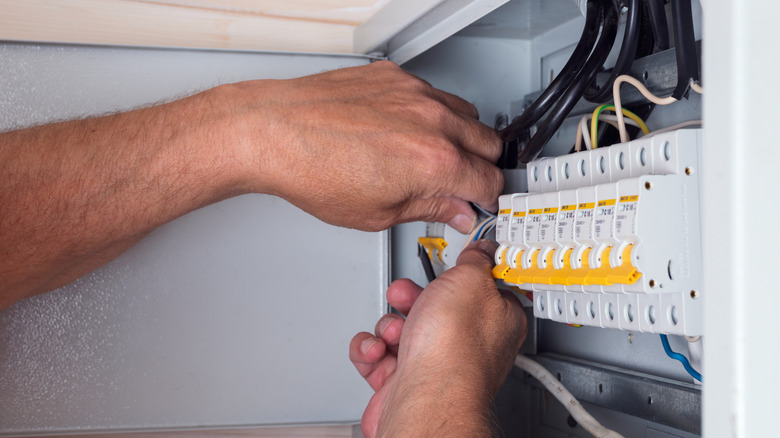
Adding extra plugs to support power tools, entertainment systems, or additional charging requirements isn't particularly difficult for most DIYers, and it's usually a breeze for professionals. The cost of a small upgrade here isn't going to break the bank, especially if you can do it yourself while avoiding some of the most common mistakes made during electrical projects. However, if you plan on using appliances or heavy-duty workshop equipment in the space, this isn't the right approach to the task of upgrading a garage's electrical systems.
Going into this type of project without a coherent plan about why you need additional power outlets or extra overall juice in the garage can spell disaster for what you eventually use these enhancements to support. Is the end goal a new installation that will draw heavy power from the outlets? Larger, 220V sockets are often going to be the better option. This may require a new branch in the fuse box or other updates beyond just adding plugs to the wall. This more in-depth work will often require the help of a professional to keep the job safe and ensure it's done correctly. Also, if you're considering investing in a revamped electrical circuit for the garage, you'll want to first be sure you're actually going to use the space enough. Even a minor update that requires little capital but plenty of time to install can ultimately be a waste if you don't end using the garage to support whatever passion project you were contemplating when making the change.
Transforming your garage into a home theater, additional living space, or other, non-parking solutions
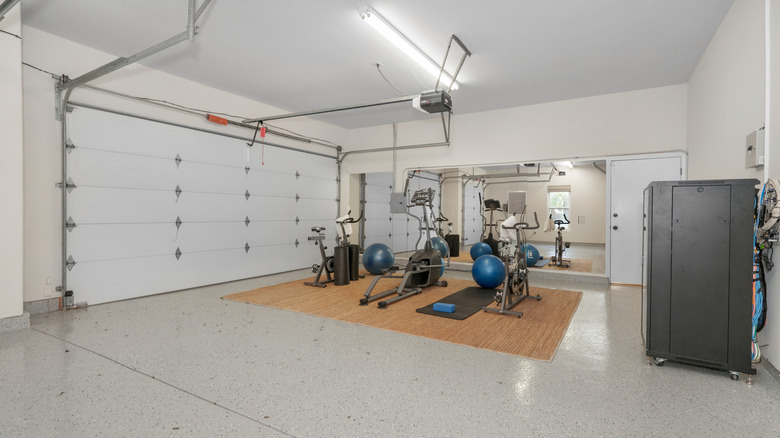
Lots of people who don't use their garage as a parking area might consider cleaning up the clutter, ultimately deciding to transform it into additional interior space. This room might turn into a home office or a bedroom to accommodate new requirements in your home environment, or serve as a gym, entertainment room, or living room. These changes can have a major impact on your living space and provide plenty of value, but they're not a great idea for anyone who doesn't plan on staying put in the house for quite some time after they make the change. These kinds of upgrades are costly, for starters: This Old House pegs the expense at somewhere between roughly $9,600 and nearly $52,000, depending on the scope of the project.
Another reason to avoid this upgrade if you're even tacitly considering moving is the unfortunate reality that sellers tend to lose value on their property. Buyers frequently prefer a home with an intact garage rather than additional interior space designed by the previous owner in support of a specific need. Making the change before selling pigeonholes your home and its value to the wider real estate market. Even though this might be the perfect change to support your family's needs, it's always a good idea to run through all the possible scenarios in your future before committing to such a substantial alteration. Naturally, you'll also lose the garage function of the space in the process, meaning your tools and project space will need to find another home, which can be problematic for avid DIYers.
Installing pegboard or French cleat storage features
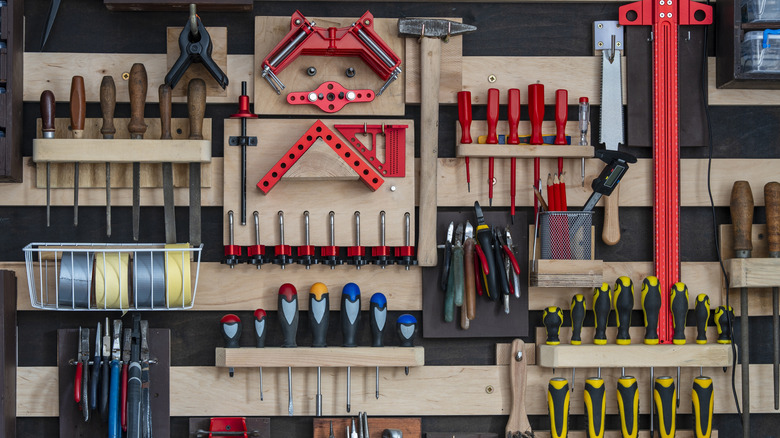
Some classic tool storage options found in many garages include pegboards and French cleats. Both solutions frequently adorn walls above or around a dedicated workbench area in. The purpose is to create a constantly modifiable tool storage space on the wall that holds the equipment you use on a regular basis so that you don't have to search for your crucial hand tools. The idea is a sound one, and both solutions can be incredibly valuable upgrades to a garage space frequently used as a staging area for DIY projects or repair tasks.
However, there is a notable drawback to using this kind of wall storage option. Both installations can ultimately create plenty of visual clutter in your workspace. This may not be a problem for some active home improvers, but for those who demand precision and a coherent organizational theme, putting away heaps of tools in storage containers that leave them out in the open can be overwhelming. On either wall element, the tools that aren't in use will become a type of decorative backdrop as a natural byproduct. This can serve as inspiration for some and mental chaos for others. In addition to being an incompatible organizational option for some tool users, both options (but French cleats in particular) are often constantly evolving. This means you'll be frequently engaged in building new storage contraptions, which can take focus off the projects you really want to work on. I'm personally in the process of designing a French cleat installation in my shed, and the planning alone is far more time consuming than I could ever have imagined.
Repainting the garage

As is the case with any other part of the home, there comes a time when repainting can make a big difference in the vibes of the room. Repainting inside the house is frequently advised every five to 10 years. But the garage is a different kind of area. This isn't a space that you'll linger in with guests or others on a regular basis, and it's not a room that will likely showcase your decorative style or serve as a relaxing area aimed at unwinding. As such, the garage really doesn't need to be repainted unless there has been some kind of damage in the space that requires a larger refurbishment. The garage doesn't tend to be a part of the house you think about significantly when considering these kinds of aesthetic changes.
More importantly, the logistics of repainting your garage make this task incredibly hard to achieve. The typical garage features plenty of clutter and perhaps floor-to-ceiling storage shelves that may even be bolted to the walls for extra security. The task of moving everything away from the walls of your garage alone can be more demanding than prepping the rest of the house combined. Unless your garage is in genuine, desperate need of a new coat of paint, this task is far more time consuming and frustrating than anywhere else in your home; it typically isn't worth the effort.
Methodology
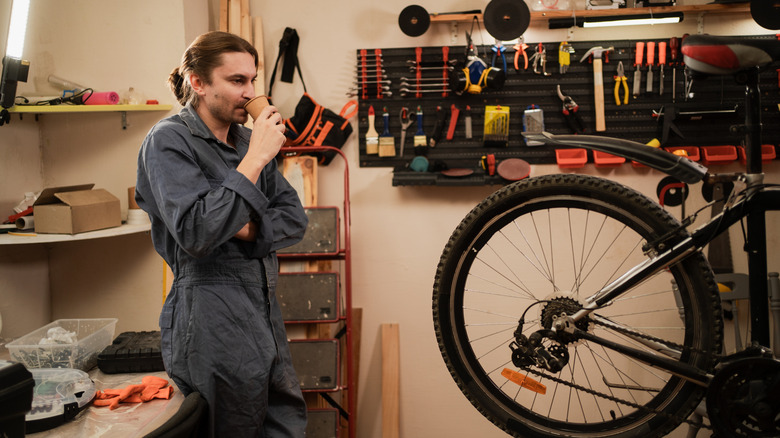
Some of these projects come from direct personal experience. For instance, I've worked on numerous electrical improvements around the house and in my external working area (but also have a good idea about where the limits are for my skill level). Other upgrades can be extremely valuable in some circumstances, but homeowners focused on resale value or extracting enough use out of the upgrade considering its effort and expense may want to look elsewhere. Repainting is a good example, since it adds limited value beyond the aesthetic boost you enjoy while standing in the garage in comparison to the vast amount of work necessary to get done.