

5 Handy Uses For Smart Sensors You Probably Didn't Think Of
We may receive a commission on purchases made from links.
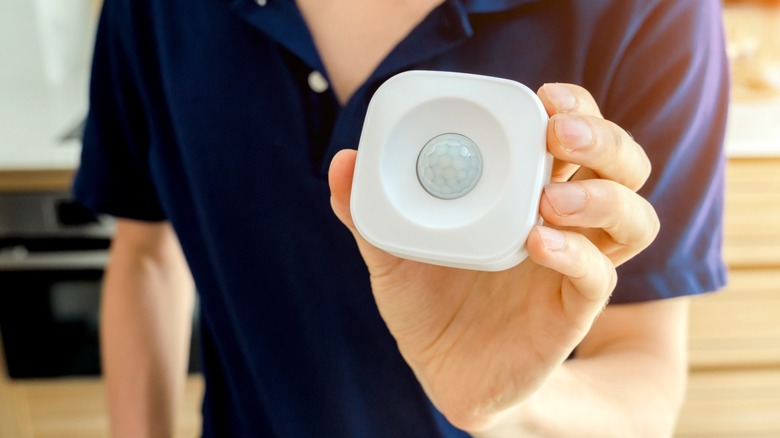
A smart motion sensor typically detects the presence or movement of a person, while a smart switch is most often used to turn lights on or off. These devices are already useful just as they were designed, but did you know that you can program them to let you accomplish tasks beyond their original intent?
With a little creativity, you can use a smart sensor to warn you if you're forgetting something, to catch a mistake or mishap before it becomes a problem, or to just generally make your life easier by turning a manual task into something more automatic. Most of the features also do not require complex programming — some require little more than basic hardware installation with a single extra step. Some require little more than a simple timer connected to an app on your phone.
Let's look at a few handy uses for smart sensors that you probably haven't considered yet. You might be surprised what these devices can accomplish with a little bit of ingenuity.
Warn you if you left a door or window open
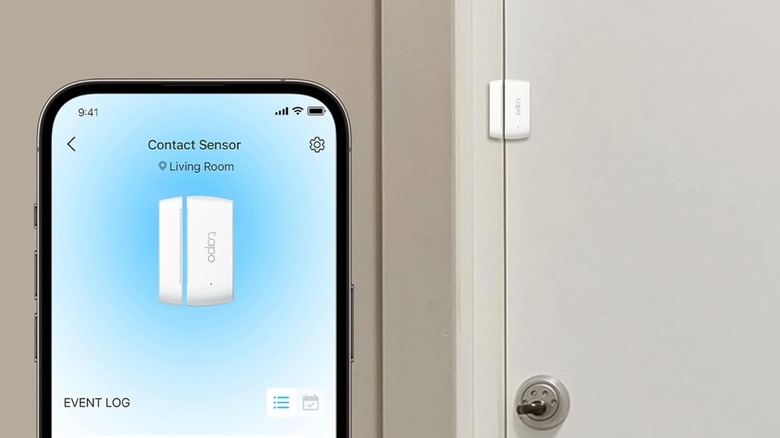
Contact sensors are pretty simple smart devices, as their primary purpose is to warn you when the two pieces are not in contact. These are most commonly used for doors and windows — you can program them to send a notification on your phone when you leave your house, and you left a window or door open.
Though these sensors are typically attached to doors and windows, that does not mean they're limited to those used for access. If you often second-guess yourself about whether you've properly closed your fridge door, especially when you're on vacation for a couple of days, attaching a contact sensor to it will help you avoid that problem. You can then set the sensor to warn you if the door is open for too long. If you still need to check, just open your phone and check the device's status.
You can also install the sensor inside a cupboard or cabinet if you're guarding stuff. For example, if you keep chocolates in your pantry and don't want your kids raiding your sweets without your knowledge, you can set the sensor to warn you when the cupboard door opens, allowing you to check your smart security camera to see who's the culprit.
And this is only scratching the surface — there are extensive lists of creative uses for contact sensors, including everything from switching on lights to running entire smart home routines.
Get notifications for mail or packages
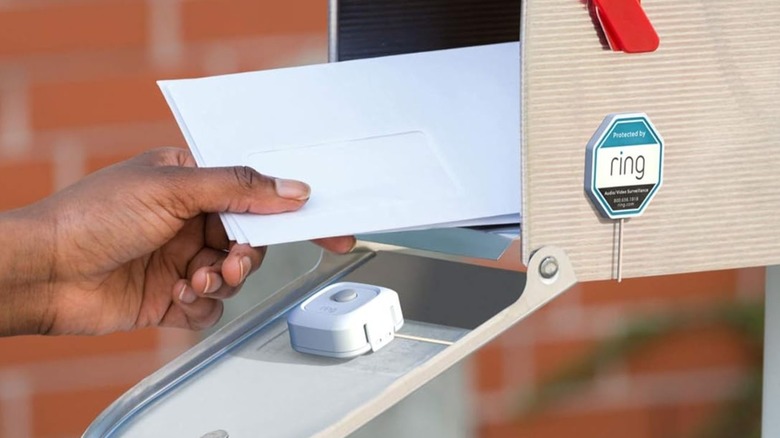
Smart mailbox alarms exist to ensure you don't miss letters or packages that might've arrived when you were asleep or weren't home. We may not get the same amount of snail mail as we used to (as a society, in general), but the letters and documents that do come can be quite important, like a jury duty summons or your tax return check. These sensors work similarly to a motion sensor in that they detect movement in the space where your mail delivery person drops your mail.
Because of this, you do not need to purchase a smart mailbox alarm — if you already have an extra motion sensor at home, you can install it in your mailbox and set it to alert you if it detects movement. This same system should work if you're hoping to get notifications about larger packages — just so long as you have a larger container for mail at your front door, of course — the sensor needs to go inside or it'll be detecting everything from wind to squirrels.
Moisture sensor exhaust fan control
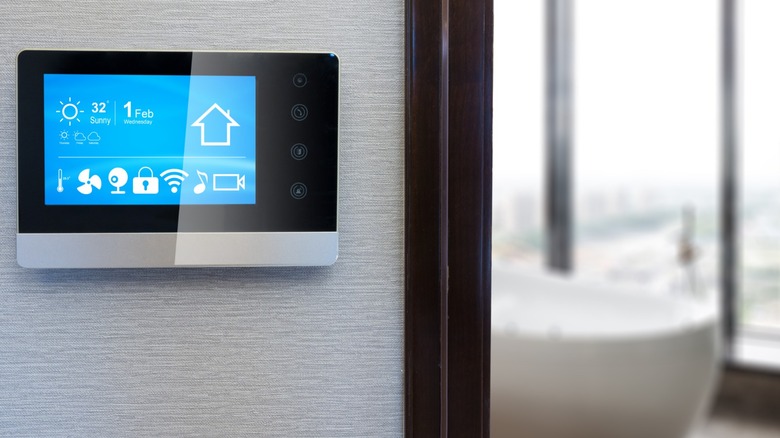
Smart switches are often used for remotely turning on devices using voice commands. But because you can control them with an app, you can make them do a lot of other clever things beyond switching on or off on your command. One thing you can do is program your bathroom exhaust fan to work based on a signal from a moisture sensor.
Some exhaust fans turn on when you switch on the bathroom lights — this is a problem for some people, as it can cause a cold draft while they're showering. Those same dual-switch users then have to choose between leaving the fan on and the light on or turning both off at the same time.
If, instead, you connect a smart moisture sensor to a switch that controls your exhaust fan, you can have the fan turn on whenever it's needed — automatically. Ideally you'd have the ability to rewire your bathroom so you can have one single switch connected to your fan (and your fan only), but we're going all-in on sensors today!
Avoid water damage by catching leaks early
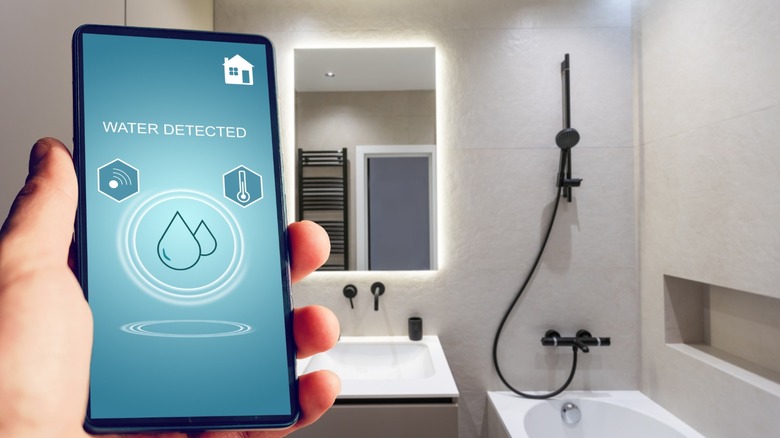
You might think that a water leak sensor is an unnecessary smart device for your home, especially if you live in a newly constructed dwelling. But if you live in an older home or experience freezing winters in your area, this might be a prudent investment. That's because a leak sensor will warn you if you have a problem with your plumbing before it becomes a major issue, making it one of the smart gadget upgrades you can install in your bathroom or kitchen.
As the name suggests, these devices alert you when they detect a water leak. That way, you can immediately shut off your taps before the water spreads all over your floor. Since these smart devices send a notification to your phone, you also get warned wherever you are in the world as long as you're online.
This is crucial if you're away for an extended period. That way, you can immediately inform a trusted person to turn off the taps in your home and avoid coming home to extensive (and expensive) water damage.
Toggle perimeter and safety lights as necessary
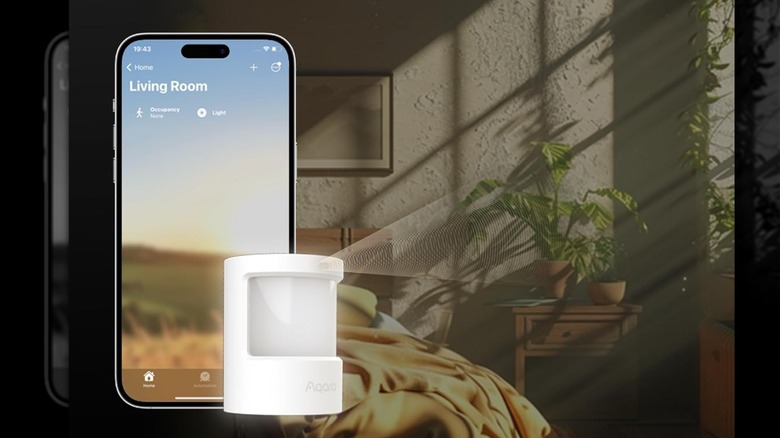
Smart switches can be programmed to automatically turn on and off your perimeter and safety lights based on sunrise and sunset times. However, this only takes into account the position of the sun and does not consider meteorological effects. So, if you want to ensure that your lights turn on when the skies get too dark, you can install a smart light sensor.
With a smart light sensor installed, you can then use it to command all the lights around your home to switch on when it gets too dark — whether through the setting of the sun or because of a snowstorm — and turn off when there's enough light to save on electricity costs. You can even use it to automatically adjust the dimmable lights in your home, ensuring a consistent brightness level throughout the day and night.
You can also pair a smart light sensor with a smart motion detector to specific areas in your home. That way, you can program lights in common areas, like your hallway or garden, to turn on only when someone is in the area and it's dark. You can also use it to automatically lower or raise smart blinds to help keep the temperature in your home under control or to maximize natural light.