

Before Jump Starting A Modern Car, Always Check This First
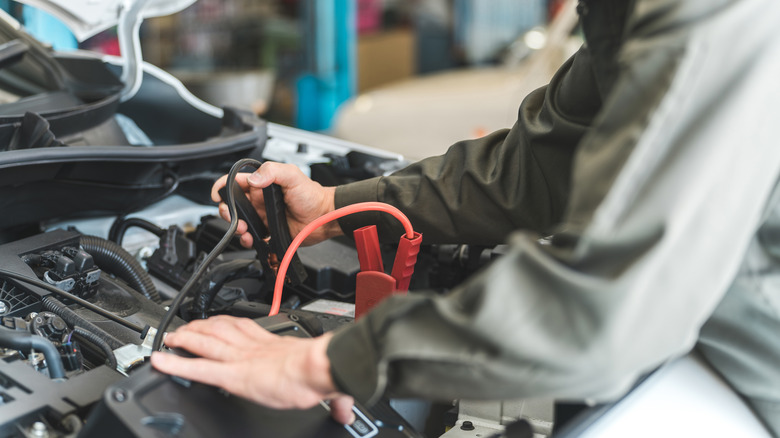
Almost all of us have been in this situation before. We go out in the morning, we get in the car, and it won't start. Maybe you get a click or a warning light indicating an electrical issue, but the engine will not turn over. All cars, including electric vehicles, use lead acid batteries to power on-board electronics. Despite the many known flaws of lead acid batteries, the auto industry hasn't found a better solution, and one of the known flaws of 12V batteries is their short shelf life.
If you don't drive regularly, the car's on-board electronics will draw small amounts of electricity while the car is off and resting, and eventually, you could find that it has become a non-starter, in the literal sense. While jump starting is okay for a lot of cars, it's not always a good idea to do it with the latest cars.
Newer cars pack a lot of electronics and technology inside them, and a voltage surge can easily damage these components. A lot of crucial items in the car can be affected by a jump start, and if something goes wrong, it won't be an easy fix. So, before you do anything else, be sure to read your owner's manual to avoid all the potential headaches. Then you'll know exactly what you need to do depending on your car and your situation. Let's just assume the worst happens, though; and walk through what might happen if you jump your battery on your modern car.
Key electronics might fail after the jump start
The power steering system can be affected by the voltage surge or voltage drop, which could make steering a lot more difficult than it should be. As almost all modern cars use electric power steering, this is hardly surprising.
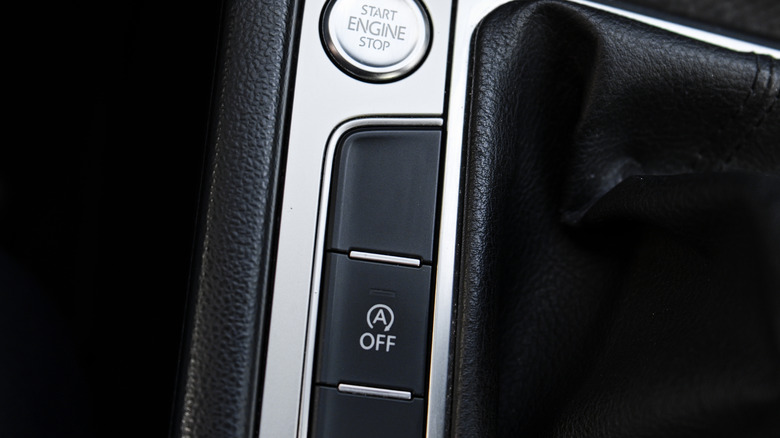
The auto start-stop system can also be affected by jump starting, but thankfully, that won't be something to worry about in the coming years; the auto industry looks set to abandon that tech altogether. Still, if your car has auto start-stop, a jump start might lead to an expensive dealership visit to sort out the system, or possibly an expensive new battery.
Other potential risks when jump starting a modern car include a loss of data, which is stored in the engine control unit, or an all-and-out failure of the ECU, which will incur the largest costs and the most headaches, by far. Finally, if you're a DIYer, you may want to try checking the fuse box under the hood and in the trunk, depending on your car. Sometimes, a blown fuse can stop the electricity to the car, especially if the battery is in the trunk or cargo area.
To sum it all up, only jump a battery that you're sure hasn't been damaged, and if you need to replace the battery, and you don't feel comfortable attempting it yourself, reach out to a professional to get it serviced.