

Your Car's OBD-II Port Can Do Way More Than You Think
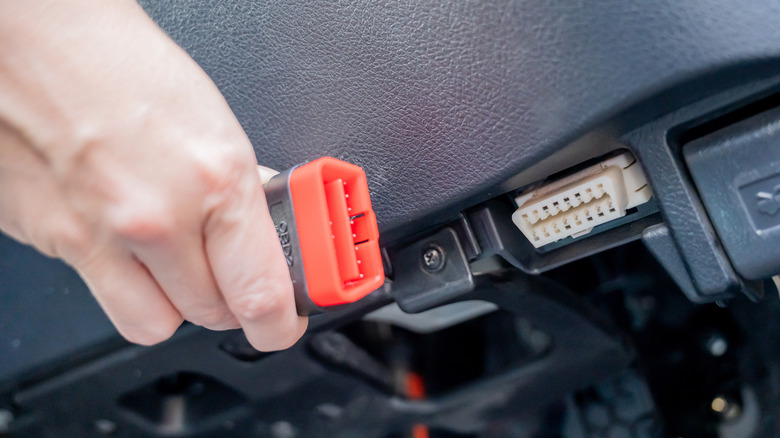
The OBD-II port. It's one of the most fascinating features of most modern cars, and, for lack of a better word, it's a portal into all of your car's deepest and darkest secrets. No, it's not hiding a huge gambling debt, but plugging in specific OBD-II devices will show you things like true vehicle mileage and the causes of check engine lights, those kinds of things. As far as the most basic OBD-II scanners go, like the ones I have used myself, that's pretty much where it ends. There are more advanced options, of course, but basic ones are best kept for diagnosing check engine lights.
Once you get into the fancy, mechanic-grade OBD-II scanners, however, that's where it gets a lot more interesting. As you go up the pricing food chain for OBD-II scanning devices, you can also gain access to a lot more data points from your car's OBD-II port. They can scan a larger variety of vehicles, for one thing; they have actual built-in programs that let them know what to look for, depending on the type of vehicle they're plugged into. This pays dividends in many different ways.
Your OBD-II port stores a lot of data
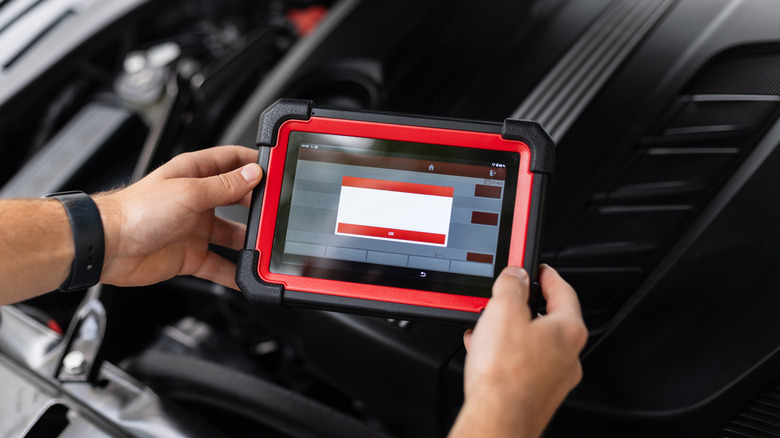
As you may already know, the OBD-II port makes it possible to see live data as the car is running or in motion. Assuming you have a good scanner to plug into it, you can see, for example, the turbocharger's boost pressure while the car is on the move, and most of the fancier scanner apps will show you what the boost pressure should be, which will give you a strong indication of whether or not your turbocharger needs a replacement or a fix-up.
It's not just boost, though, the car stores data for just about anything in the engine that has a numeric value; the position of the pedals, the amount of oxygen flowing through the oxygen sensor, and some even have freeze frame functionalities, which will show you what the car's vital stats were at the exact moment when some sort of problem occurred. If that happened to you recently, you might be able to locate the problem area.
Either way, OBD-II ports store a lot more data than just check engines and mileage; they allow you to quite literally tap into your car's brain, and much like our brains, it stores a lot of data. The one problem is that you will have to invest in solid diagnostic equipment. Most of the really cheap stuff doesn't have specific programs for specific makes and models, and while the expensive stuff can run you a pretty penny, just make sure you're not overpaying. Anyway, spending a little more on diagnostic equipment could save you a lot of money and help keep you from getting ripped off by a car mechanic.