

The US Air Force May Spend Up To $16 Billion On New Advanced Engine Tech
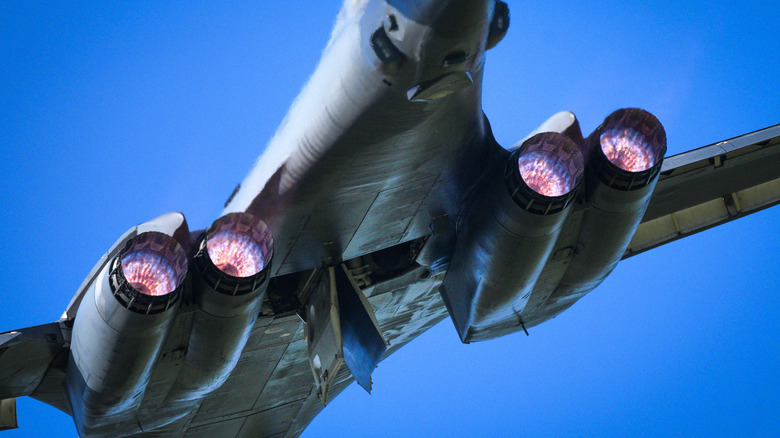
The U.S. Air Force (USAF) already has some of the fastest fighter jets in service today, but it's willing to invest up to $16 billion more to go even faster. The "Advanced Propulsion Acquisition Contract" (APAC) is meant to fast-track the research, development, and deployment of cutting-edge propulsion technologies. It's sure to be one of the most significant investments in next-generation engine systems in recent years. If companies want to participate, they have to submit their proposals by April 13. If anybody misses that deadline, USAF plans to reopen the door to new contracts in another two years.
APAC will exist as an "indefinite delivery, indefinite quantity" vehicle, meaning the Air Force can select a pool of companies to compete for jobs as they come up. In other words, it's a feeding frenzy. The USAF hopes this competitive angle will drive even greater innovation across design, engineering, fielding, and lifecycle maintenance, not to mention whatever incremental improvements and breakthrough advances may come. Being the world's biggest air force, there's surely going to be no shortage of opportunities.
The goal is engine innovation for future aircraft
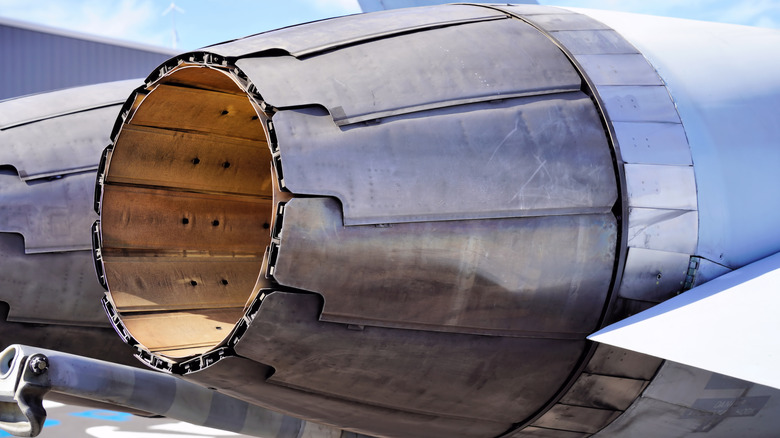
For context, the Air Force gave out roughly $7 billion in contracts for the "Next Generation Adaptive Propulsion" program last year. This new contract initiative seems poised to more than double that budget. But oddly enough, the program doesn't actually have any dedicated funding. Instead, the Air Force plans to send out task orders as funding becomes available. That could be through future service budgets, interagency contributions, or other government sources.
The contract doesn't say which platforms or propulsion systems it's supposed to support, either. That said, we can assume APAC will play a key role in several ongoing modernization efforts. Among the most obvious possibilities is the Collaborative Combat Aircraft (CCA) program. It focuses on developing autonomous drones designed to operate alongside piloted fighter jets. The APAC initiative could also lead to upgrades and sustainment improvements for the Air Force's current fleet. For example, this could help keep existing aircraft operationally effective while new systems are being developed.