

No, The First Amendment Doesn't Cover Your Car's Vanity Plate
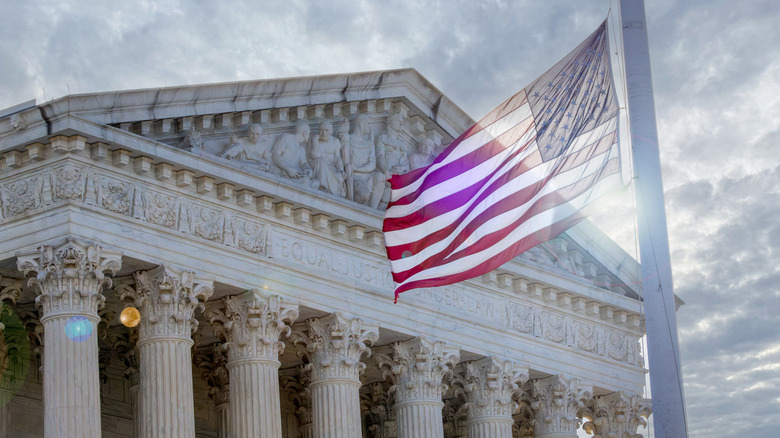
The U.S. Supreme Court won't touch the debate over whether drivers have a free-speech right to put whatever they want on their license plates. Back in December, the justices refused to hear an appeal from a Tennessee woman who had her controversial vanity plate revoked. In doing so, they left in place the legal framework that has existed for years in many jurisdictions: vanity plates are government speech, not a means of individual expression.
This whole thing started when Tennessean Leah Gilliam had her plate reading "69PWNDU" revoked after driving around with it for more than a decade. After originally approving it, Tennessee officials eventually got enough complaints to realize the message was referencing something sexual. For the record, Gilliam argued it was actually a reference to the year of the moon landing alongside some gaming slang. She sued, lost, and tried to take it all the way to the Supreme Court.
Alas, the Supreme Court's decision not to make a decision still leaves vanity plates in the hands of lower court rulings. That means it's up to the states to regulate what appears on plates. Unfortunately for Gilliam, it also means it's time to start brainstorming something for her next regrettable vanity license plate.
The law hasn't always been clear on vanity plates
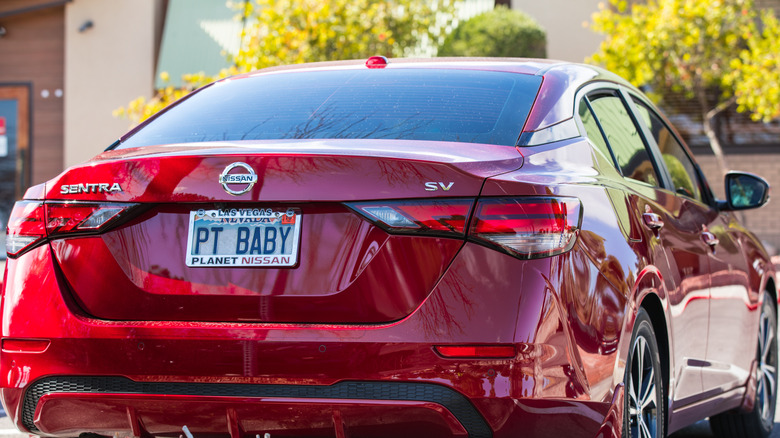
The Supreme Court's decision makes it all seem pretty cut and dried, but looking at past rulings, that's not exactly the case. The Supreme Court declined to hear the case, letting the lower court's decision stand. But those lower courts haven't always been on the same page. In recent years, they've reached different conclusions on who ultimately has the authority over vanity plates.
One example: In a 2020 case in Rhode Island, a federal judge ruled that a ban on NSFW license plates would violate the First Amendment because it gave state officials overly broad discretion to reject messages. The court allowed him to keep his vulgar plate throughout the litigation, saying that revoking it would suppress his personal expression. That goes against what Tennessee decided in Gilliam's case. The plate in question read "FKGAS," which is pretty much on par with other rejected vanity plates from states like Illinois.
Not even the Supreme Court can get aligned on this. In the 1977 Supreme Court case Wooley v. Maynard, the justices decided that individuals can't be forced to display ideological state slogans on their plates. That would suggest First Amendment protection (however limited). But in 2015's Walker v. Sons of Confederate Veterans, the Supreme Court's ultimate decision was that specialty plates were government speech. For now, the Supreme Court clearly has very little interest in ruling on the issue one way or the other.