

New CA Law Requires Age Verification For All Computers – Windows, MacOS, And More
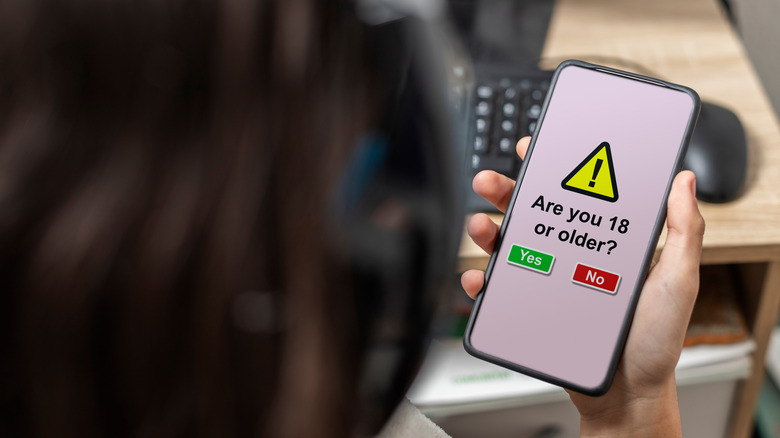
The internet can be a dangerous place, and governments have been trying to control its harmful effects on youngsters for years now. But so far, they've mostly targeted individual websites and apps. Back in 2023, one bill tried to force social media companies to add age verification at the federal level. Now, the state of California is taking a different approach by casting an even wider net, pushing the requirement way down to the operating system itself. That push comes via Assembly Bill 1043, also known as the Digital Age Assurance Act. It was signed by California Governor Gavin Newsom in October 2025 and goes into effect on January 1, 2027.
The basic requirement is that every operating system in the state will need to collect age information from users during the account setup process. That data then gets sorted into one of four age brackets – under 13, 13 to under 16, 16 to under 18, and 18 or older. This is then made available to app developers through a real-time API. Developers are required to request that signal when their app gets downloaded or launched. Once a developer receives that, they're legally considered to have "actual knowledge" of the user's age range. That shifts the responsibility for serving age-appropriate content directly onto them.
No operating system is spared from the bill as these requirements will span Windows, macOS, Android, iOS, and yes, even Linux distributions. Should any party choose not to follow the rules, the penalties will not be mild. Negligent violations can cost up to $2,500 per affected child, and intentional ones would go up to $7,500. Enforcement will be handled by the California Attorney General.
No facial verification, but there are other challenges

One thing worth noting, though, is that AB 1043 doesn't require photo ID uploads or facial recognition. Instead, users self-report their age during setup. It's very different from similar laws in Texas and Utah, where users have to submit a copy of their government-issued ID — or go through a third-party verification service. Another example is Discord, which, in February, moved toward requiring ID or face scans to unlock full account access. Thankfully, AB 1043 is a lot less intrusive.
But there are challenges, too, with it. Newsom himself actually issued a statement urging the legislature to amend the law before it kicks in — even though it was he who signed the bill. He pointed to concerns from streaming services and game developers about things like families sharing a single account, or one person's profile being used across multiple devices. Then there are the problems with Linux. The whole premise of AB 1043 assumes that an OS has some kind of account creation flow where age can be input. Sure, that's true for most major systems, but the typical Linux distro doesn't work like that. You just boot the thing and start using it.
All this also comes at a time when age verification itself is drawing fire from researchers. Over 400 scientists signed an open letter in March laying out the case against these systems, and some of those arguments do sort of land on AB 1043. The bill's shortcoming is that it relies entirely on self-reported age, which means anyone can just lie. Users can also simply use VPNs, like they did when Missouri rolled out its own age verification law for adult sites.