

Not China, Not Russia – This Country Generates The Most Nuclear Power
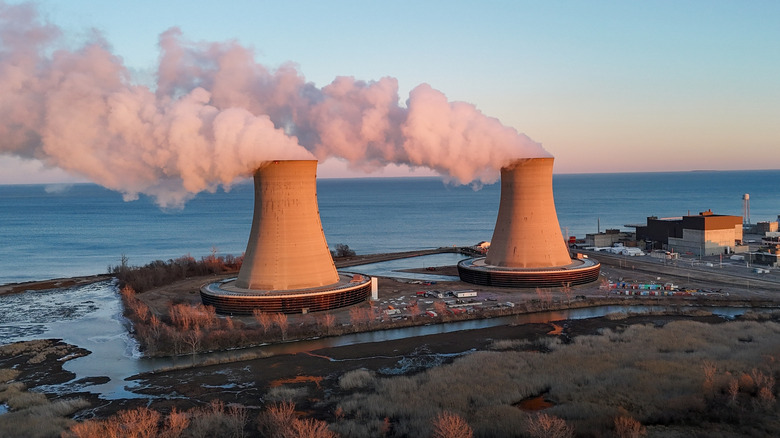
When the topic of nuclear power is mentioned, many people likely think about the world's nuclear weapons or the war that could result from having them. But the truth is that nuclear power also generates electricity that's used daily in many countries around the world. When it comes to which of those countries produces the most nuclear energy, the United States has a commanding lead. In fact, it's not even close.
According to the U.S. Energy Information Administration, America generated about 782 gigawatt-hours (GWh) of nuclear power in 2024. That's about 19% of the total electricity produced in the U.S., and around 30% of the world's total nuclear power. In contrast, China only generated a little over 433 GWh in 2023, around 5% of the country's total electricity output. Russia's output was even lower at 271 GWh, though that does account for a greater proportion of the country's total electricity source at around 19%.
The US has 94 reactors spread across 54 nuclear power plants, with a total net gigawatt (GW) capacity of 97. Meanwhile, China has a total of 57 reactors with a capacity of 55 GW and Russia has 36 reactors with a GW capacity of 27. This means that, when combined with its GWh output, the U.S. has a superior advantage over every other country for nuclear reactors and nuclear power production. Of the three nations, America's nuclear power infrastructure has been in place the longest, with the country producing nuclear energy since the 1950s.
The benefits and concerns of nuclear power
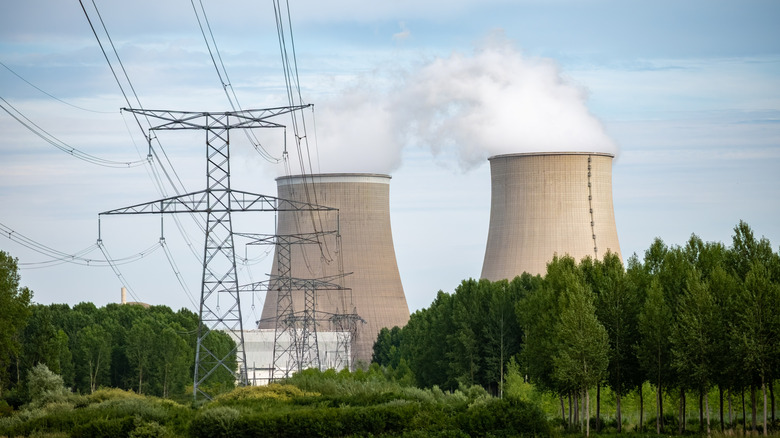
While the U.S., China, and Russia are in the top four of nuclear power production, France is also in the mix. Coming in second behind America in capacity, France is at the forefront of advanced nuclear technologies, setting a record in 2025 when it sustained a fusion reaction for 22 minutes straight. Though France has the same number of reactors as China with 55, it has a higher net GW capacity with 63. France generated over 320 GWh of power in 2023, which accounted for almost 65% of its electricity. This makes it the country with the highest amount of its energy produced from nuclear power — more than double that of the US.
Nuclear power is in high demand due to its overall output capacity, which is higher than both coal and natural gas. Nuclear reactors need less maintenance or refueling than other sources, which means power plants can operate for longer periods of time. Nuclear power is also cleaner and helps a country reduce emissions. It can be utilized for large areas, and is a reliable source of full-time power.
But there are serious environmental concerns, as nuclear power plants produce hazardous radioactive waste that can endanger local communities for decades or more. Nuclear reactors are not immune from dangerous meltdowns, which can directly affect everyone living near the facility, as well as the air and water. Tight regulation and modern safety systems are often the only protection from a potential disaster.