

You've Probably Been Pronouncing 'Ryobi' Wrong This Entire Time
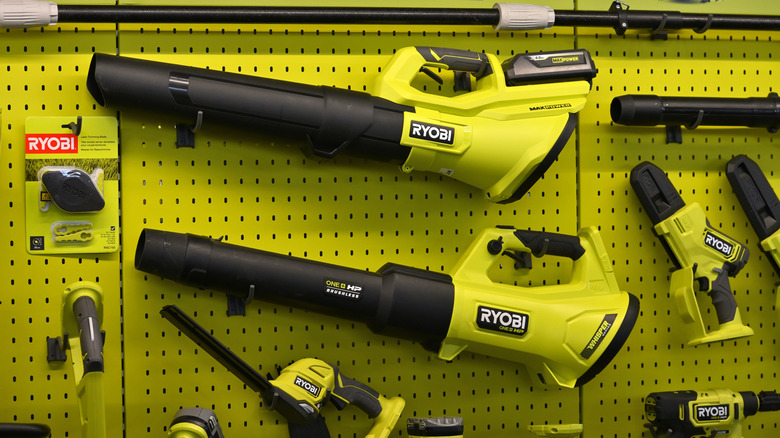
There's nothing worse than going to the hardware store, knowing exactly what you need, asking an employee where to find it... and realizing you don't even know how to pronounce the name of thing you're searching for. It's a common cause of embarrassment for Ryobi shoppers, most of whom have heard at least two different pronunciations for the green-and-black brand: "Rye-oh-bee" vs "Ree-oh-bee."
The debate's been raging for years, of course, but it was recently reignited when after a Reddit user by the name of @Sea-Flamingo1969 decided to go straight to the source. Instead of polling friends or trusting gut instinct, they contacted Ryobi customer service directly and asked a simple question: What's the official pronunciation of the brand name? The response was definitive: According to the brand itself, it's pronounced "Ree-oh-bee." Have you been confidently wrong about this mundane thing your entire adult life, or were you right on the money?
The debate has been settled by the company itself for years
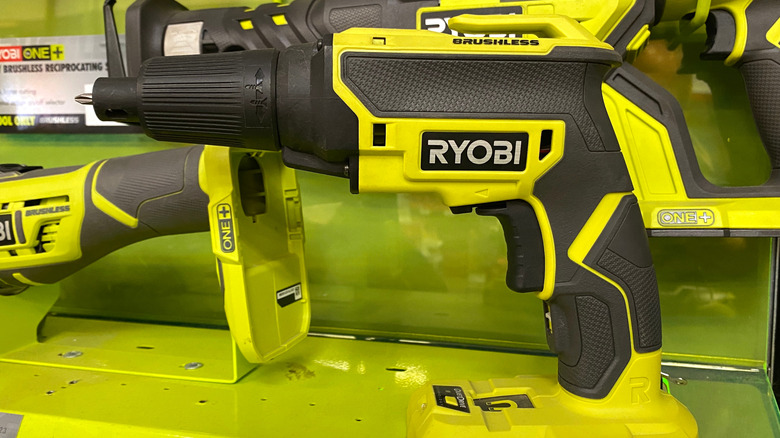
For skeptics who don't consider customer service representatives a reliable authority (much less Reddit), Ryobi itself offers additional confirmation in the form of its YouTube videos. Across the channel, voiceovers pronounce it "Ree-oh-bee" again and again. Just check out the product highlight for 2026's new 40V HP Brushless String Trimmer for proof. Clearly, the company hasn't been keeping this a secret. It's been saying it this way in plain sight forever... some of us clearly never noticed it before.
For anybody who knows Ryobi company history, the "Ree-oh-bee" pronunciation aligns more closely with the company's Japanese origins. Ryobi was founded in Hiroshima in 1943 by Yutaka Urakami, originally as a die-casting operation rather than a power tools brand. Over decades, the company grew into finished products, global manufacturing, consumer goods, and eventually power tools. "Ree-oh-bee" fits more naturally in line with Japanese phonetics, even if it feels strange to native English-speaking customers.