

LA's Roadways Are Getting Worse – But Not For The Reason You Might Think
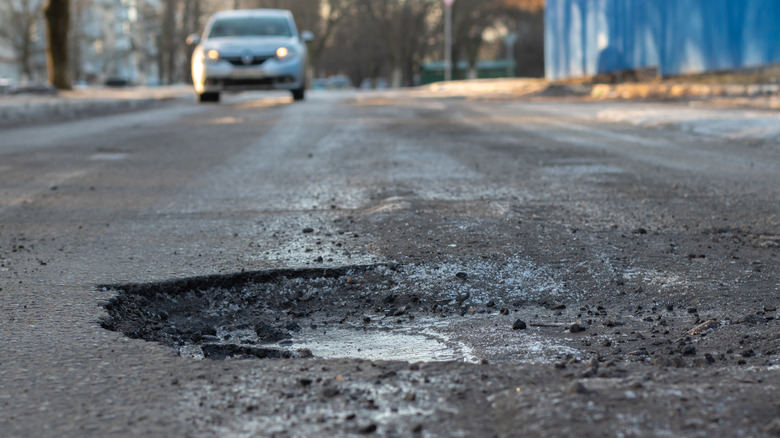
If you're one of the millions of people who drive, bike, or ride around Los Angeles, you might've noticed something missing in recent months — road crews repaving roads. The city's own data confirms it: Since the beginning of this current fiscal year, Los Angeles has repaved exactly zero miles of roadway. And as if that wasn't enough, next year's proposed budget reveals plans to do the same.
City crews are still hard at work, of course, but almost exclusively on what officials now call "large asphalt repairs." That is, a form of patching that targets specific worn sections of pavement rather than resurfacing entire streets. Sure, the approach sounds pretty pragmatic, infrastructure advocates warn that these asphalt repairs are both less effective and more expensive per mile than full resurfacing. Asphalt's also hurting the environment and does very little to prevent long-term damage to the roads. The concern is that the longer LA kicks the can on fully repaving roads, the more extensive (and expensive) the eventual repairs will need to be.
It all stems from federal accessibility rules that have turned routine maintenance into a legal and financial quagmire. Under current regulations tied to the Americans with Disabilities Act, repaving a street is considered an "alteration," and that automatically triggers a requirement to upgrade adjacent curb ramps to the current accessibility standards. Those upgrades are expensive, not to mention time-consuming, and that's a problem in a city with so many intersections that lack compliant ramps in the first place.
Why Los Angeles might be breaking the law by avoiding repaving
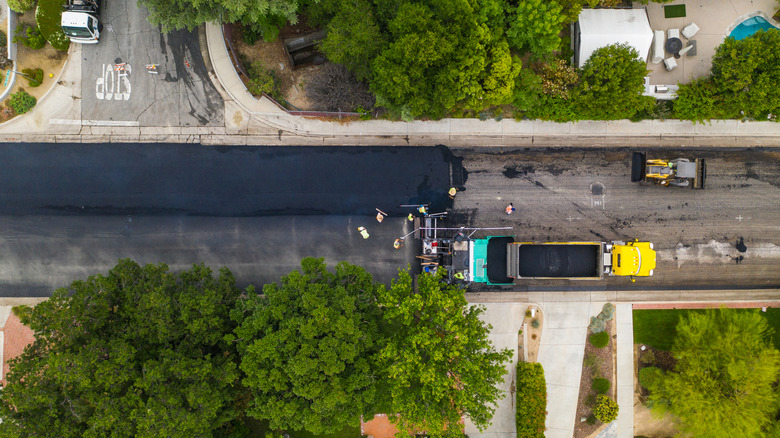
Instead of just repaving, Los Angeles made the decision to reclassify as much of its street work as "repairs" as it can. Repairs fall under the maintenance umbrella, and that's a category that doesn't trigger those mandatory accessibility upgrades. LA housing and transportation advocate Oren Hadar has been keeping an eye on the city's data, and he says the city's doing more than just causing more harm in the long run... they might also be breaking the law.
By choosing not to address those non-compliant ramps and curbs, the city effectively sidesteps voter-approved requirements such as Measure HLA that demand those safety and mobility improvements get made. Despite being one of the most expensive places to own a car, Los Angeles already spends far less per resident on streets and sidewalks than many other big cities. They also pay significantly more per curb when it does build them.
With a few different departments responsible for paving, striping, painting the curbs different colors, and doing the sidewalks, it certainly can't be easy to organize a project (let alone keep costs down). But, as people like Hadar would agree, that's no excuse to neglect people with disabilities, older residents and families navigating the city on foot who need to use the streets, too.