

Will The Tesla Model X And S Grow In Value After Production Is Phased Out?
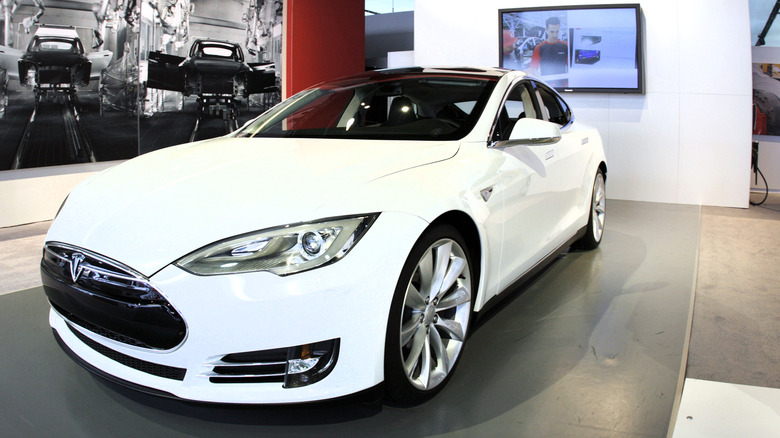
While the long-discontinued, Lotus-based Tesla Roadster first put the Tesla brand on the map back in the late 2000s, it was the subsequent Model S sedan and Model X SUV that truly transformed the electric car maker from a niche startup into the major player that it is today.
And now, nearly 14 years after the first Model S was delivered, Tesla CEO Elon Musk has announced that the company will soon be ending production of both the Model S and Model X to reallocate production capacity toward the company's new Optimus robots. This decision probably doesn't come as a surprise to anyone who has been following Tesla's by-model sales figures, which have been dominated by the Model 3 and Model Y in recent years. But it nonetheless marks a big shift, as the company says goodbye to these two groundbreaking models.
But what will this mean for the values of the Model S and Model X on the used market? Will the market treat them as unwanted, obsolete EVs as demand and prices fall further than normal? Or will their discontinuation boost demand and, at some point, even elevate the Model S and Model X into desirable modern classics for a new generation of enthusiasts? While it's impossible to predict exactly what will happen in the coming years, the actual outcome will probably lie somewhere in the middle.
The end of an era
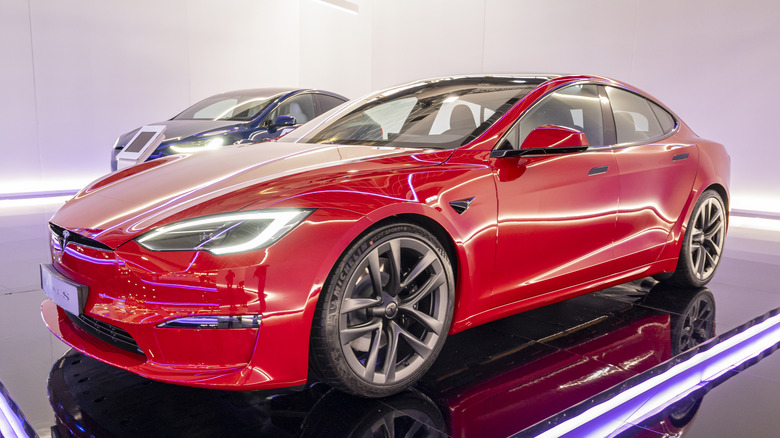
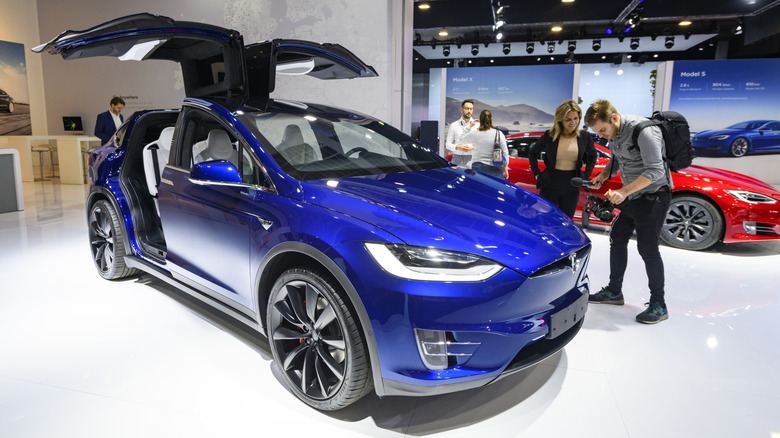
No matter your thoughts on Tesla, Elon Musk, or the electric car in general, there's no denying the impact the Model S had on the industry. With previously unimaginable levels of performance and driving range, the Model S redefined what a mainstream electric car could be. A few years later, the Tesla Model X joined the lineup, taking everything from the sedan and shifting it to an SUV body style with its highly distinct 'Falcon Wing' rear doors.
But as Tesla introduced the more affordable, more mainstream Model 3 and Model Y to the lineup, the aging Model S and Model X became increasingly less important. Yes, Tesla updated the S and X over the years, but most buyers opted to forgo the higher price of the Model S in favor of the Model 3 and Model Y, with those two models accounting for 97% of Tesla deliveries in 2025.
Used EVs operate in their own market, typically having much steeper depreciation curves than gas vehicles, and the Model S and Model X have been no exception to this. But will their discontinuation accelerate this depreciation even further? Likely not noticeably or immediately. In terms of volume, the Model S and Model Y already make up a tiny fraction of the used Tesla market, and their buyers are specifically looking for a Tesla that's larger or more 'unique' than the ubiquitous Model 3 and Model Y.
Future classics?
On the contrary, does this mean that the used Model S and Model X will instantly boom in value with new ones no longer available? Again, most likely not in a significant way, given the relatively small and established supply of both cars and prospective buyers for used, high-end EVs.
What's more interesting to contemplate is the longer timeline and whether the Model S and Model X will emerge as modern collector vehicles. There's at least some evidence to suggest they could, as the early model Tesla Roadster has already become one of the first true electric collector cars. You can't compare them directly, as the Roadster was produced in very small numbers and was always positioned as a specialty car, but it at least establishes some precedent for a possible classic Tesla boom in the future.
If you're trying to predict specifically which Model S and Model X versions could become collector favorites in the future, they'd likely be the insanely fast, 1,020-horsepower Plaid models, which, even after discontinuation, will still represent Tesla's performance capabilities at their highest. Likewise, if EVs or 2010s cars in general are to become sought-after by collectors in the future, we could see low-mileage, well-preserved examples of the very early Model S or Model X becoming desirable as historical time capsules of the era. Ultimately, only time will tell how or if the collector car scene embraces vehicles from the first major 'electric era' as they age into their classic years.