

Goodbye Solid Concrete: This Alternative Could Save Your Driveway From Flooding
We may receive a commission on purchases made from links.
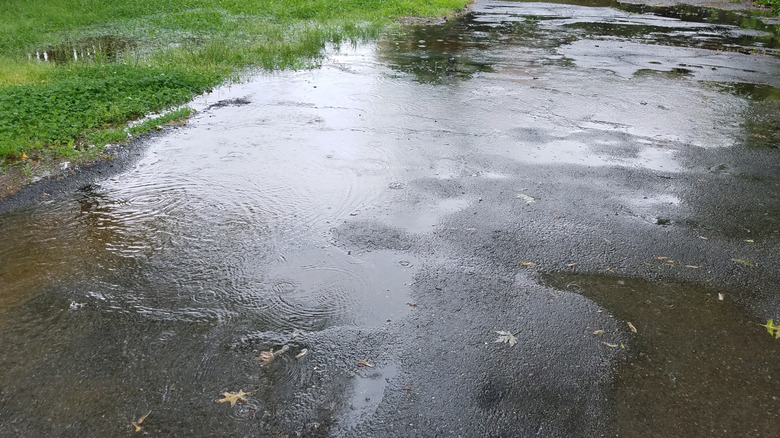
If you've got a hardscaped driveway, chances are, after a copious rainfall, you've probably opened your door to the gurgle of a stream or sight of a glistening lake. After all, traditional concrete and asphalt driveways often allow rainwater to pool. Even worse, large downpours can cause unwanted driveway flooding, which can wreck your foundation, create a breeding ground for bugs, and even encourage mold growth. While there is nothing you can do to avoid excessive rainfall, there are actions you can take and tools you can use to protect your home from flooding.
One of the most effective ways is by converting your existing driveway into a permeable one. The most obvious benefit of a permeable driveway, whether it's made of interlocking concrete, pervious pavers, or porous asphalt, is that it is very effective at rainwater management. After large amounts of rainfall during storms, all that water needs to go somewhere.
Unlike solid concrete, which allows water to sit and pool, a permeable driveway will soak up rainwater into the ground. As such, standing water will no longer be an issue, and rainwater runoff will be significantly reduced. This will make your driveway more storm resilient by decreasing the amount of rainwater that can flood and damage your home.
Other perks of having a permeable driveway over solid concrete
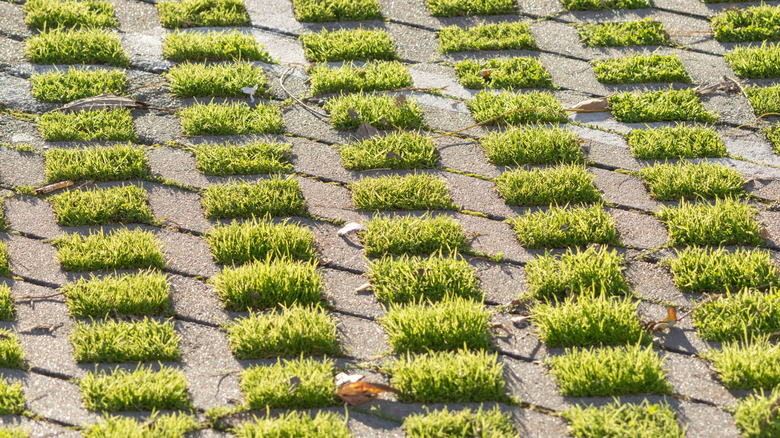
If you're looking for an inspiring driveway entrance idea to make a good first impression, you can never go wrong with a permeable driveway. Permeable pavers, for instance, come in a variety of shapes and colors, can be laid in intricate patterns, and you can even add plants, so it's easy to create a design that captures the aesthetics of your home. They also have impressive load ratings of about 6,000 pounds, so there is no danger of damaging them, even if you drive a delivery truck. On top of that, they will work in almost any climate. They do not crack like concrete driveways when exposed to extreme temperature changes.
Apart from offering better drainage, a permeable driveway also reduces the effects of snow buildup. In fact, if you live in an area with extreme freeze-thaw conditions and you don't want to spend too much time shoveling snow ever, you'll want to upgrade your driveway with permeable resin-bound aggregate. This material will melt snow much faster. Plus, since precipitated water will flow into the tiny spaces between the pavers, ice will not form underneath the snow as it falls, making shoveling ice easier. Lastly, they will also make your driveway more comfortable to walk on compared to their asphalt and concrete counterparts, which absorb solar radiation.
Cons to consider before deciding on a permeable driveway
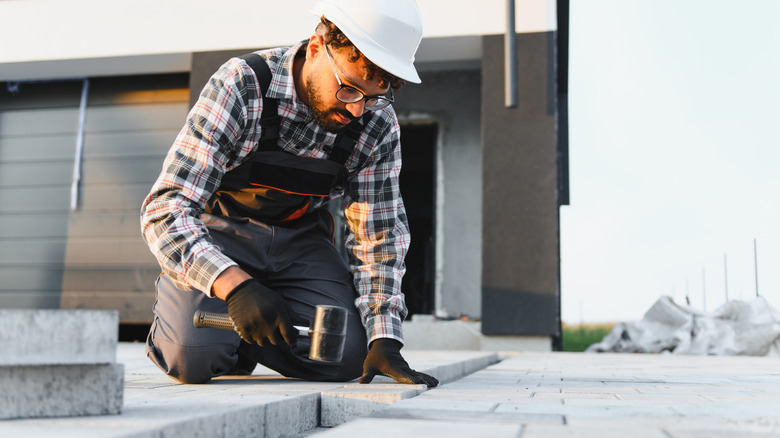
While permeable driveways might have a lot of perks, they have their share of drawbacks, too. For one, they tend to be costlier than stamped concrete. After all, they will require a professional installation, which, according to Angie's List, can range from $5 to $11 per square foot for labor alone. Plus, you can even expect to pay even more when you factor in other add-ons like permits, site preparation, and design complexity. Of course, installing a permeable driveway is a DIY project you can handle yourself. But it's one of those projects best left to pros because it's highly complex and relies on specialized tools.
As you might expect, all those gaps between pavers and interlocking concrete are no match for invasive weeds. Of course, smart gardening products like the Flame King Propane Torch Weed Burner, available on Amazon for $48, will stop pesky weeds from growing in your driveway. But besides fighting weeds, you might also spend some time maintaining your driveway. Think of clearing debris, vacuuming joints, and replacing damaged pavers. Lastly, if you're designing a permeable driveway on a property with a steep slope (say, greater than 20°), you'll be interested to know that it may not last as long as you'd expect.