

If Cold Weather Bursts A Pipe, This Should Be Your Next Step
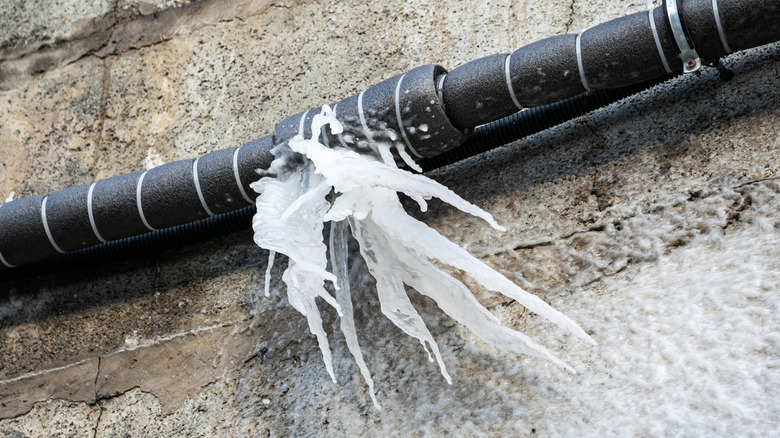
When temperatures drop, some of us might love the beauty of snow blanketing the trees. Behind the snowy charm lie hidden dangers that might go unnoticed until it's too late. For instance, you'll have to contend with ice dams, which are a major threat to your home. They can destroy your walls, damage your gutters, and create an ideal environment for mold growth. Besides ice dams, when winter is in full swing, you will likely have to deal with frozen pipes, something no homeowner ever wants to encounter.
With that said, a frozen pipe is more than just an annoying safety hazard. It also has the potential to cause serious damage to your home and your belongings. When temperatures drop below freezing, the water in the pipes will turn to ice. As such, because water expands as it freezes, it will put extra pressure on the pipe walls, which will be enough to burst the pipes. Unfortunately, once the ice thaws, water will flow through the burst pipes, causing structural and electrical damage that can cost thousands of dollars to repair.
What should you do if your pipes burst due to freezing
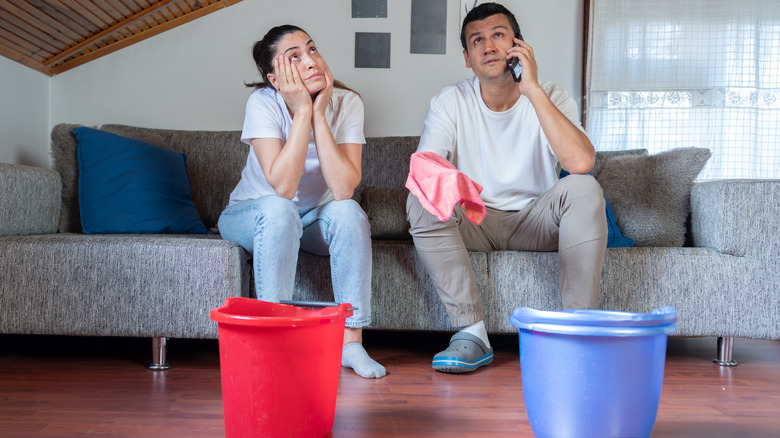
Most pipes in our home often run under floors, behind walls, or in our basements. This means that in case a pipe bursts, it can go for days or weeks without notice. Given the dangers associated with a burst pipe, you'll want to keep your ears and eyes open for the early warning signs of a burst pipe. These include reduced water pressure, a higher water bill, damp spots in the basement, and mold growth on the ceiling or the walls.
Once you've figured out you've a burst pipe, before you make any attempt to remedy the situation, your first course of action should be to turn off the water supply. This way, you'll protect your home's structure and personal belongings from further water damage. Next, you'll want to protect your plumbing system by draining the remaining water inside the pipes. To do this, open all faucets that dispense water, including the kitchen sink, water heater, and shower. You'll also want to flush all the toilet tanks.
Don't forget to turn off your electricity supply, too. This way, you'll eliminate the possibility of electrocution. After that, locate the burst and schedule a checkup with a professional. If your home insurance covers water damage, it's a good idea take pictures and videos of the issue before contacting them. However, if your water pipes have frozen, but are intact, try using a hair dryer or a space heater to thaw the frozen sections.
How to protect your water pipes from freezing
Given the damage frozen pipes can cause and how pricey it might be to hire a pro to fix burst pipes, it makes sense to protect your pipes before the temperatures dip below freezing. Luckily, the strategies are pretty quick, simple, and affordable, as most entail the basic steps of preparing your home for the winter months. The first thing you should do to protect your pipes from freezing is to flush your water lines.
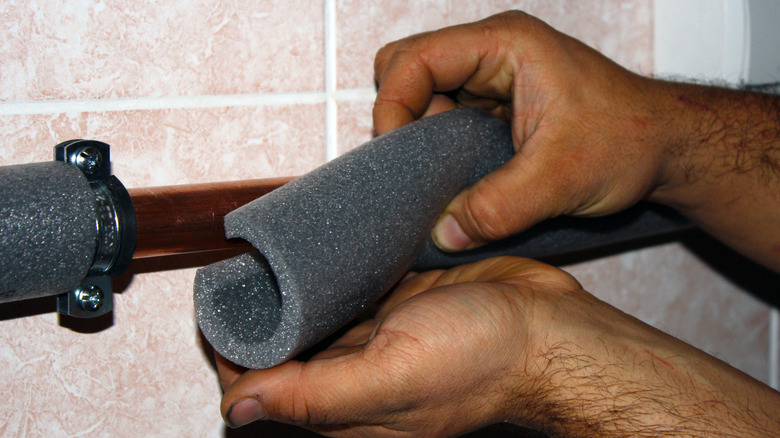
Next, if you have pipes in spaces that are known for exposure to extreme cold, such as the attic, garage, or basement, you'll want to insulate them. You can do so by wrapping the pipes with sleeves, heat tape, towels, or extra blankets. Alternatively, you can apply a thin layer of WD-40 to the exposed pipes. It will act as a protective blanket that prevents moisture from building up on the pipes' surface. You might also need to seal small gaps and cracks that will allow cold drafts to creep into your home.
In addition, it helps to let a small trickle of water drip from your faucets when temperatures drop. By keeping the water running, you'll make it hard for ice to form inside the pipes. You'll also reduce the pressure inside the pipes, which, in turn, will protect them from bursting if a freeze does happen. Lastly, you might want to get creative by adding heat. Think of opening cabinet doors, taking advantage of a space heater, and setting the thermostat to a moderate temperature.