

Why iPhone 17 Pro & 17 Pro Max's Cooling Tech Is A True Upgrade (Especially For Gaming)
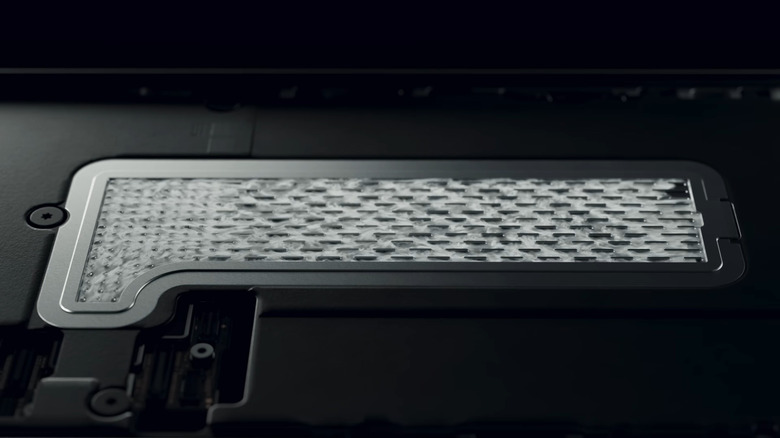
Apple silicon has dominated the smartphone space in raw computational performance for a long time. At least that was the case until Qualcomm's Snapdragon 8 Elite chip dethroned the A18 Pro SoC that powers the iPhone 16 Pro in some performance benchmarks. This embarrassment came on the heels of Apple's repeated and public struggles with overheating issues plaguing the iPhone 15 Pro. With the competition snapping at its heels, Apple finally decided it was time to give its A19 chip a fighting chance by slapping a vapor chamber on the SoC. The iPhone 17 Pro and 17 Pro Max variants are the first Apple smartphones to feature this high-tech passive cooling technology that promises to solve their overheating woes. Interestingly, this comes nearly a decade after Samsung debuted the same vapor chamber technology with the Galaxy S7 in 2017.
While the iPhone maker loves disrupting technology paradigms with brave omissions and genuinely pathbreaking features alike, it is also equally infamous for resisting nifty new technologies, especially when the Android camp has beaten it to the punch. And Apple has done so for years until it either becomes too inconvenient to ignore the killer Android feature, or it finally perfects and assimilates the popular feature as its own groundbreaking invention. Now that the iPhones have achieved cooling parity with their Android counterparts, let's take a look at why the new vapor chamber tech is a genuine upgrade that will elevate the gaming chops of the iPhone 17 Pro and 17 Pro Max.
Why is vapor chamber cooling needed?
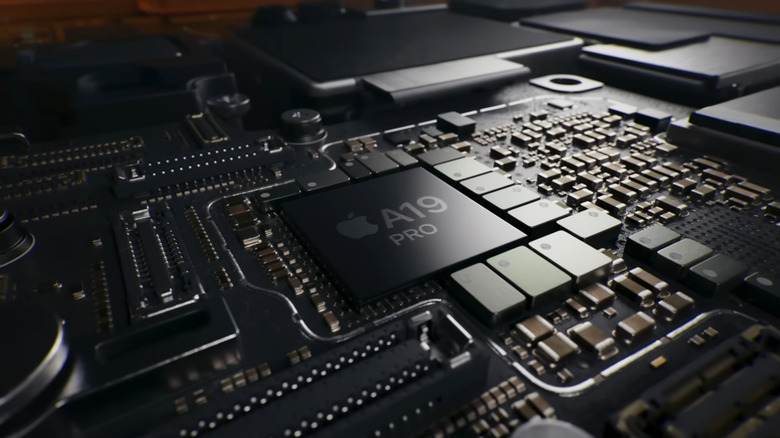
Modern smartphone SoCs have all sorts of heat-generating components baked into a single die that gets toasty even during regular usage. The CPU, GPU, and NPU can dissipate several watts of energy into heat during extended gaming sessions and while running performance-intensive apps that perform AI-accelerated tasks on the device. Similarly, the embedded ISP/DSP turn up the temperature when you're snapping photos or shooting videos. Even seemingly simple tasks such as making/receiving voice calls and browsing the internet cause the RF transceiver and cellular modem to quickly heat up the SoC. Even the LPDDR memory modules (or RAM) contribute to overheating during demanding tasks.
The average smartphone leverages the inherent thermal conductivity of the aluminum subframe to draw heat away from the SoC and dissipate it along the edges. However, this isn't enough to effectively cool the SoC and RAM modules. Laptops and desktop computers get around this problem by harnessing the superior conductivity of a copper cold plate to draw heat off the chips and dissipate it further with a network of heat pipes mated to finned aluminum heatsinks replete with fancy axial fans forcing cold air across them. In fact, understanding air cooling and liquid cooling can help you decide on the best option for your PC.
But this approach is impossible given the space, weight, and power consumption constraints of the smartphone form factor. This is where vapor chamber cooling saves the day by harnessing a neat thermodynamic trick to significantly improve cooling performance without adding any weight, volume, or complexity to the smartphone cooling solution. Let's take a look at how that works.
How Does Vapor Chamber Cooling Work?
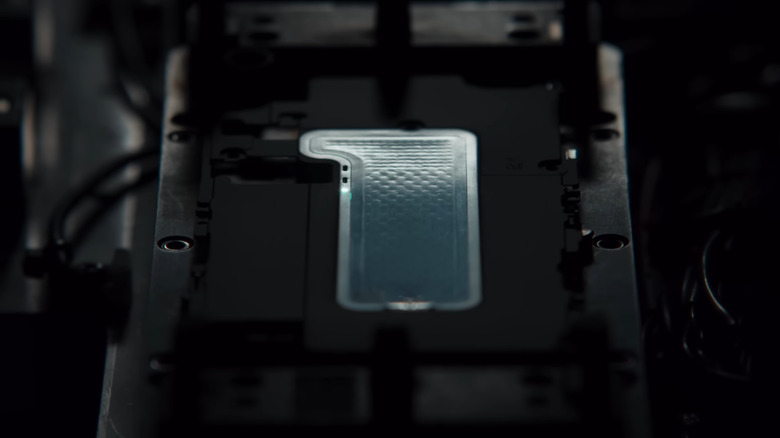
A smartphone's inherent scarcity of space, weight, and power makes it challenging to cool an overheating SoC. The effectiveness of a cooling setup is largely determined by the thermal conductivity of the materials used. Copper is heavier and more expensive than aluminum, but even that isn't enough for modern SoCs that generate a ridiculous amount of heat. A vapor chamber bridges this gap by going a step beyond thermal conductivity to achieve cooling. Unlike a traditional heatsink, a vapor chamber is basically a sealed container teeming with a network of metal strands. These strands are designed to remove heat from the system by wicking away a small quantity of coolant (deionized water in Apple's implementation) between the hot and cold sides of the vapor chamber.
However, the secret sauce of this thermodynamic cooling contraption lies in the vacuum-sealed environment, which lowers the internal pressure and allows the water to boil at a much lower temperature. This allows the hot iPhone 17 Pro SoC to instantly boil the coolant off into water vapor, which subsequently dumps its latent heat into the cold side of the chamber as it transforms from a gas to a liquid. This phase change business is key to a vapor chamber's cooling efficacy. This transition from a gas to a liquid, and vice versa, is instrumental in dissipating tremendous amounts of heat from the SoC. A lot of energy (heat) is absorbed to break the molecular bonds between the hydrogen atoms in order to vaporize water inside the chamber. And this improves cooling efficiency significantly.
Why should iPhone users care about vapor chamber technology?

Contrary to popular belief, building a more powerful processor with higher transistor counts and better microarchitecture is only one of three major avenues to improve processing performance. In fact, professional overclockers rely heavily on the other two avenues of pumping in excess power and improved cooling to push ordinary desktop CPUs in excess of 9GHz. For the same transistor counts and microarchitecture design, the performance of a CPU is essentially limited by the power supply and cooling setup. That's basically how overclockers push consumer-grade processors to crazy clock speeds with a constant supply of liquid nitrogen and a pair of 1200-watt power supply units.
Contemporary smartphones have solved the power side of the equation with modern LiPo batteries, which are capable of higher discharge currents and larger capacities, even if many of us make mistakes using lithium batteries from time to time. In other words, cooling is the only factor limiting the latest smartphone SoCs from reaching their true performance potential. With the last two generations of iPhones being known for the most vocal user complaints about overheating issues, it isn't surprising that Apple finally chose to embrace vapor chamber cooling nearly a decade after it debuted in Android smartphones.
In practical terms, a vapor chamber allows the iPhone 17 Pro and Pro Max to maintain higher clock speeds for much longer during CPU and GPU-intensive tasks such as image and mobile video editing. However, gamers will notice the most significant performance improvement in the form of higher sustained frame rates even during long gaming sessions.