

Should You Hand Dry Your Car After Each Wash?
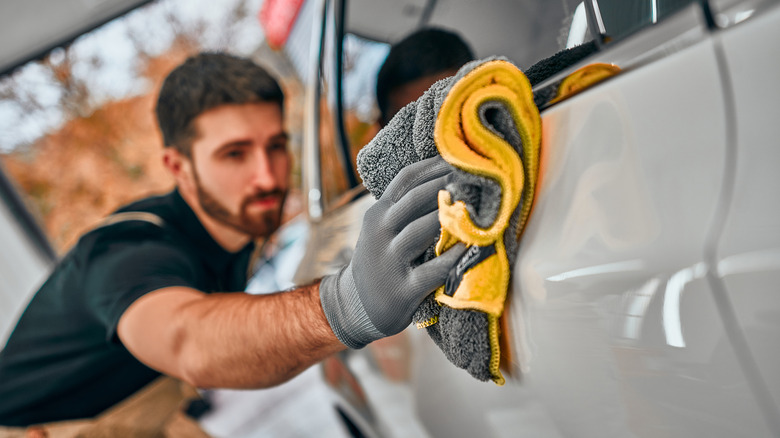
For the avid car enthusiast, washing or detailing a car is like a free therapy session. We say free, but some detailing products can cost hundreds of dollars, but you see where we are coming from. It's an act that might, at first, look relatively simple; grab a bucket of soapy water, a sponge, and have at it. However, when you get into the hobby of washing and detailing your own car, you'll soon realize that it's anything but simple.
There are many steps and stages to a complete and thorough clean, including pre-soak, decontamination, paint correction, and paint protection. Of course, you don't have to complete every step each time, in fact, you can just throw a bucket of soapy water at it if you're happy with the finish, but one step that should never go ignored is properly drying your car, specifically hand drying it.
See, many of us are probably guilty of hopping in our car straight after washing it, and blasting it up and down the road for 10 minutes to clear all the water off of it. Or, we might just leave it out to dry. These methods certainly work, but by avoiding the hand-drying step and opting for one of these, let's face it, lazier alternatives, you'll be undoing all your hard work.
That's because leaving the car to air dry, or driving it to dry it, will result in water spots and streaks drying on the paintwork, and these can be notoriously tricky to remove. This isn't so bad on a white or silver car, but on a dark-colored car, it'll look in desperate need of a wash immediately.
Why hand drying is an absolute must
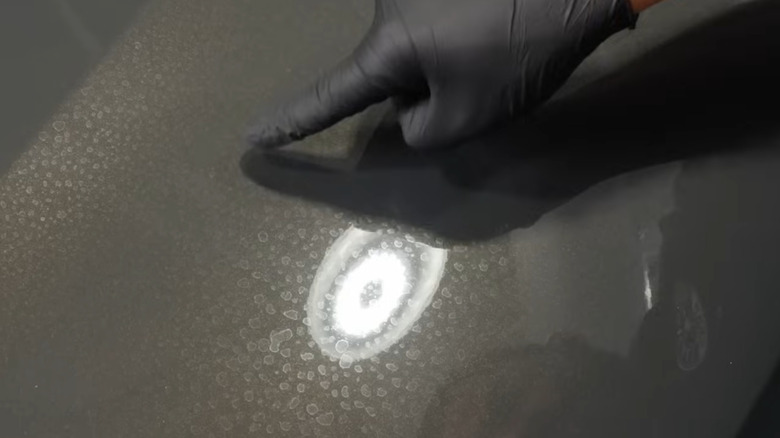
Water spots don't sound all that bad, but they can be difficult to remove, and more often than not you'll need to buy a specialist water spot remover to eradicate them, but avoiding hand drying will only see them come back the very next wash. This is because water carries minerals and other fine bits of debris, and when the water itself evaporates, these are left to etch themselves into the paintwork, leaving unsightly marks all over.
Other issues include the slow build-up of corrosion. When water is left on the car, it will trickle off and pool in little crevices around the vehicle. Common spots include within your wheel arches and at the end of your sills, and it's here that the water will eat away at your bodywork slowly over time. Drying your car immediately reduces the risk of water pooling in popular corrosion spots.
How you should go about drying your car
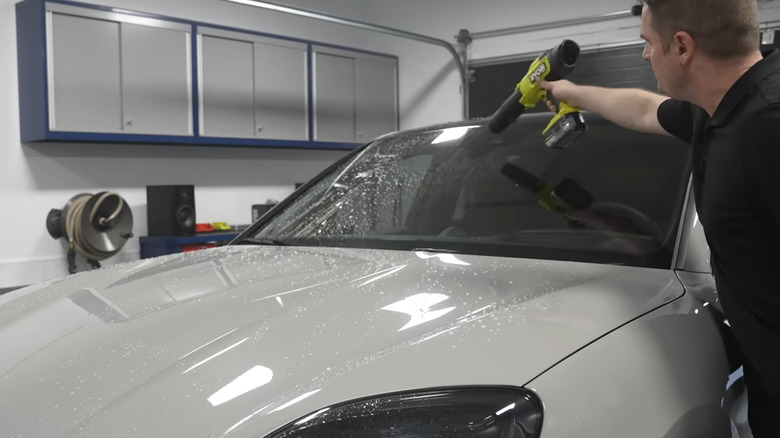
So, you now know that hand drying is an essential step of the wash, but are there preferred ways of drying a car's paintwork? There isn't really a best way, although there are multiple different ways, and one might suit you more than the others. Popular old-school methods include using a large drying towel — microfiber towels are especially good, as they are more absorbent than standard towels, and they are soft, which reduces the risk of leaving fine scratches in your paintwork.
For a more modern approach, you should consider blow drying your car. These are great for a number of reasons; firstly, it's a contactless approach, so there is zero chance of scratching your vehicle here. Plus, you can blow air into those aforementioned nooks and crannies, to ensure no sitting water is left after a thorough wash. The main downside, though, is cost. Towels are relatively cheap, and you probably already have a number of them, whereas car blow dryers can cost hundreds of dollars.