

New F1 Rules & Terms That Every Racing Fan Needs To Know Starting In 2026
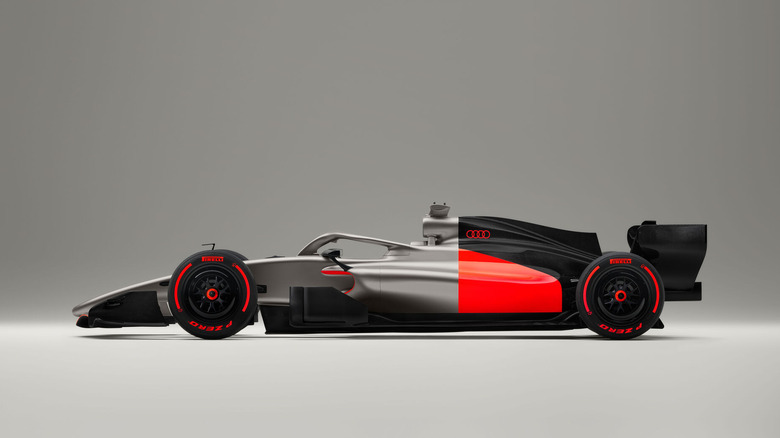
The 2026 season of Formula 1 is ramping up. This season has racing fans excited as it marks the highly anticipated entrances of both Cadillac and Audi to the starting grid. With the new season comes a few more rules and changes to how the cars operate, namely augmentations to how aerodynamics and the hybrid system on each car is used. Your average F1 car is a highly regulated multi-million dollar piece of complicated tech that showcase the absolute bleeding edge of automotive technology, so it makes sense that rules change and evolve over time.
According to F1, the first change relates to a button that drivers can press that allows them to use stored energy in the hybrid system's battery to give a bit of a boost over the course of the lap. The change for 2026 is more related to the nomenclature of said button. Fittingly, it's now called the "Boost Button," straight out of "Mario Kart."
In a related change, drivers now have access to "Overtake Mode." This mode, according to F1, can be activated when a driver is within one second of the car ahead. It's a separate function than the boost button. To regain energy, drivers now have the choice as to how their car recharges when lifting off the throttle, giving a little more granular control over energy storage and usage.
It's all about air
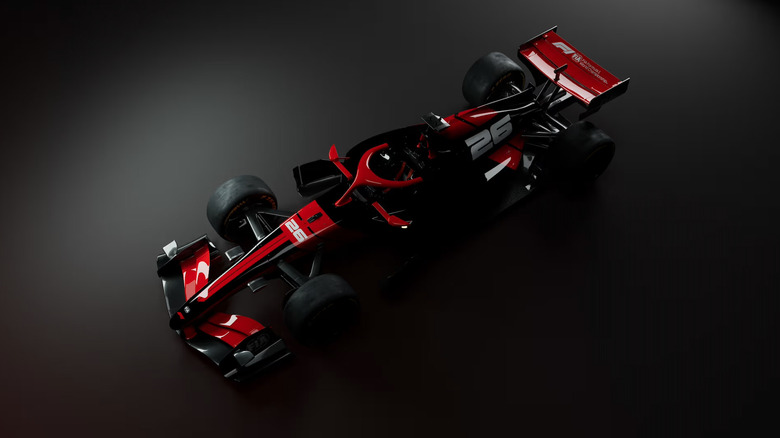
Aerodynamics are getting a host of changes. F1's DRS (drag reduction system) is gone, and active aerodynamics have taken its place. Previously, DRS was only allowed while overtaking, now, the new rules stipulate that the driver can activate the aerodynamics on the front and rear wing to give more (or less) downforce depending on what they need. Less downforce for higher top speed in the straights and more downforce for more grip in the corners.
Naturally, the cars are changing quite a bit. To quote F1, "the cars will be shorter, narrower, lighter and nimbler." The aerodynamic properties are different, with the cars getting a flatter floor and narrower tires, all in the effort to reduce drag. The rules changes are billed to give drivers and builders a little more control over the car. The 2026 season is scheduled to start on March 6 with the Australian Grand Prix and continue until December 4 with the Abu Dhabi Grand Prix.