

Many Battery-Powered Devices Are About To Get More Expensive In This US State
As we turn the page on a new year, the state of California is rolling out several new laws and regulations. While some legislation has little impact on our day-to-day lives, many laws do — we all stop at red lights and adhere to speed limits, are paid at least a minimum wage, and pay our rent or mortgages every month. How will some of California's new laws stack up?
Most Californians probably won't notice AB 1830, under which corn masa products like tortillas must now include folic acid, though some claim the additive has a bitter taste. AB 628 requires landlords to place working stoves and refrigerators in homes, which is likely a relief to potential renters. Finally, SB 1215 is an amendment to the Electronic Waste Recycling Act, and tech-lovers may feel its impact on their wallets.
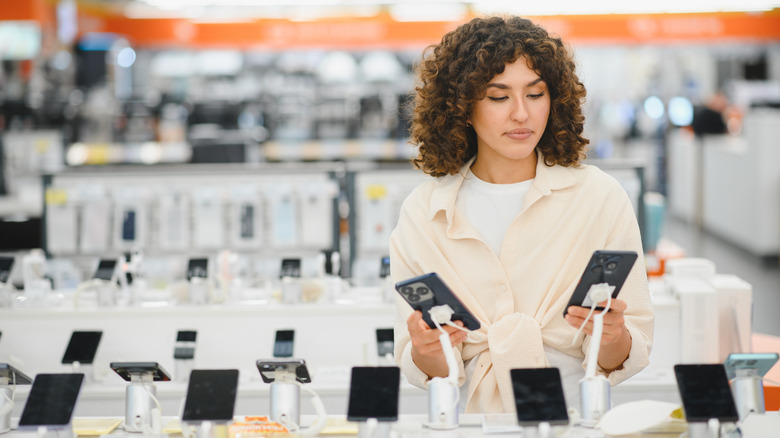
California often leads the charge when it comes to environmental policy, and this new bill aims to reduce the improper disposal of lithium-ion batteries. It adds a 1.5% recycling fee on all electronic devices that have a battery that cannot be removed. Beginning in 2026, the fee applies to laptops, power tools, video game consoles, those greeting cards that play music when you open them, and more.
What is the new recycling fee?
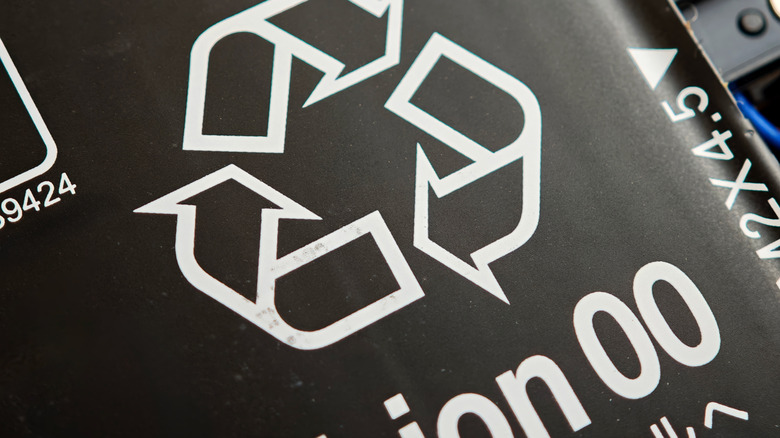
What's the expected price hike on new electronics? A 1.5% fee on a $1,000 laptop would be an additional $15, and that's the most consumers will pay under this new bill. The recycling fee is capped at $15 and is intended to fund an e-waste recycling program that's actually been around for about 20 years, allowing Californians to drop off old monitors and televisions. The fee, which applies whether a device is rechargeable or not, will help ensure items with embedded batteries are recycled rather than thrown away.
The recycling program will help keep these products out of landfills, reducing fires from lithium-ion batteries and lessening the risk of injury to sanitation workers. According to the California Department of Resources Recycling and Recovery (CalRecycle), about 7,300 tons of batteries end up in landfills either accidentally or illegally.
While some products are exempt from the new law, including medical devices and single-use plastic vapes, most products that have an embedded battery will have the additional fee, including cell phones, laptops, game consoles like the PS5, toys, earbuds, and even smart watches. SB 1215 doesn't only affect consumers. As of 2026, products covered under the law must be labeled with information that identifies the chemistry of the battery, or that information must be included on the manufacturer's website. And while the fee is currently set at 1.5% and capped at $15, beginning on August 1, 2026, the fee can be adjusted annually.