

This AI Traffic Camera Dished Out Over 1,000 Tickets In Under A Week
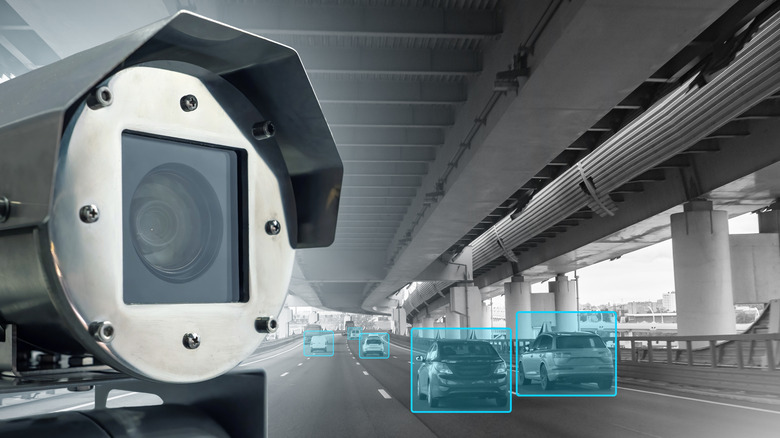
The use of AI in traffic cameras is rising, with various schemes already running in the US and many other countries, a far cry from the world of 1896 when the first-ever speeding ticket was issued. And, whether you're comfortable with the thought, or you consider these devices as one step too far down the "Big Brother" road, AI-powered traffic enforcement is here. One recent scheme set up in Greece has proved just how potent these cameras can be. The pilot scheme, launched in Athens and the wider Attica region, used AI-powered cameras to monitor traffic and identify various forms of traffic violations.
The scheme focused on eight high-risk locations across the greater Athens area, specifically targeting roads that had a long history of accidents and serious violations. The cameras themselves were conspicuously installed, with no attempt to hide their presence to catch drivers unaware. Even with such a public introduction, the results were immediate and eye-opening. Within just a few days of going live, a single camera positioned on Syngrou Avenue had recorded more than 1,000 violations linked to mobile phone use and failure to wear a seat belt. Additional offenses, including speeding and red-light violations, were logged at other locations just as quickly.
Speaking to Greece's state broadcaster, ERT News, Minister of Digital Governance Dimitris Papastergiou confirmed that the pilot AI camera system is already recording violations ahead of the full rollout of the country's unified electronic enforcement platform. According to Papastergiou, drivers caught by the scheme will receive same-day digital notifications, accompanied by photographic evidence, and will have a 13-day window to submit any objections.
How Greece's AI camera system works

The staggering numbers of violations caught by these cameras are only part of the story. The speed at which the system processes the violations and informs individuals of their misdemeanors, is equally impressive — or concerning, depending on your viewpoint. The pilot cameras are connected to Greece's existing Traffic Police systems, although ultimately they will feed directly into the aforementioned new unified electronic system for recording and managing violations.
The existing smart cameras, along with additional ones to be installed after a tendering process, will record traffic violations such as speeding, running red lights, using a mobile phone, and driving in the bus or emergency lane. Ultimately, the entire network is expected to include 2,500 cameras, including increasing the number deployed in the Attica region by 388 cameras. In total, the system will include 2,000 fixed cameras to be installed at high-risk fixed locations. The remaining 500 will largely be installed on public buses and will monitor bus lanes.
The AI-powered license plate recognition system categorizes violations and enables immediate notification of said offenses through digital channels or via message. In the most extreme cases, this could include the immediate suspension of driving licenses. However, Papastergiou claims the scheme is not focused on punishment — rather, its primary aim is to increase road safety. He said, "This is a political decision with a clear social objective: to reduce traffic accidents and save human lives."
1,000 unhappy drivers may claim otherwise.
Why AI traffic cameras aren't without controversy
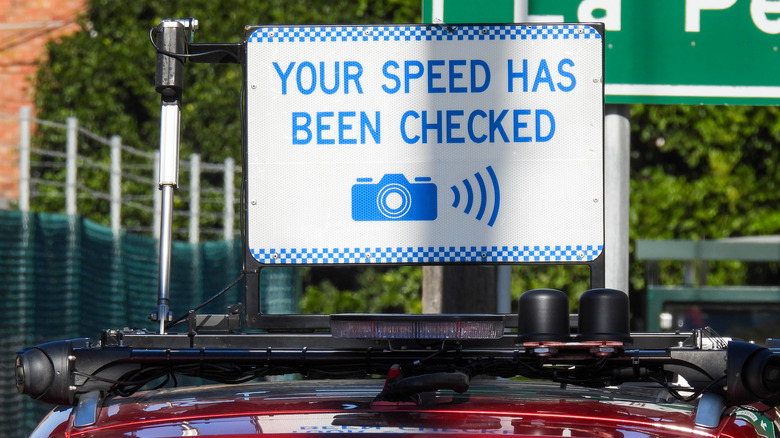
It's impossible to discuss the subject of such cameras without considering the inevitable privacy concerns that shadow AI technologies. While there are some things you should never share with chatbots like ChatGPT, there's at least a choice in the matter. AI traffic cameras don't offer the luxury of such a choice. These cameras don't simply capture a single infraction and then move on; they rely on automated license plate recognition, image analysis, and centralized data processing — points that, by design, can track when and where a vehicle appears.
Of course, improving road safety is a worthy goal, but there are significant concerns about individual liberties and the rise of a "Big Brother" type surveillance world. In the U.S., for example, the American Civil Liberties Union lists a case where cameras installed on the Texas/Oklahoma border captured the license plates of thousands of law-abiding citizens, who then faced questions about why they were crossing the border. There are also concerns about being issued speeding tickets when not even driving your car.
In Greece's case, authorities say collected data will be encrypted, violations will be handled transparently, and citizens will have access to evidence and appeals. Even so, the existence of a large centralized database of vehicle movements is enough to make privacy advocates uneasy, especially as the network expands. In short, the Greek roll-out of AI cameras may well improve road safety, but whether society is ready to be policed by an algorithm is a completely different can of worms.