

This Giant Heat Pump Is Expected To Warm Over 40K Homes - Here's How It Works

There are still plenty of myths bandied around about heat pumps, with one of the most common myths being that they don't work well in the cold. Modern heat pumps are efficient enough to still extract useful amounts of heat from the environment even in the depths of winter — in fact, they're so useful that the German city of Mannheim is currently in the process of building the largest heat pump in the world. The deal to build the pump was signed in October 2025, and when it's complete, it's set to provide heat to 40,000 homes.
There are various different kinds of heat pumps, with the three most common types being air source, ground source, and water source pumps. Each extracts heat from a different medium, but they all fundamentally work in the same way. The pump needs a source of heat in order to function — this could be air from the surrounding environment, or it could be water from a nearby river. The heat source is used to increase the temperature of the refrigerant in the pump system by a small amount, just enough to turn it into gas. The heated refrigerant then gets sent to a compressor.
The compressor requires electricity to run, but it's only a small amount compared to the heat that the entire system can generate. Compressing the gas drastically increases its temperature, and this hot gas can be used to heat homes and buildings.
Mannheim's heat pump draws from the Rhine

Depending on the design of the pump system, the gas can either be directed to nearby buildings via pipes, or it can be used to heat water, turning it into steam, which is then directed to buildings to provide heating power. The heat pump system in Mannheim uses hot water to heat homes, and it will also have an additional hot water storage tank to act as a reserve supply should the main pump need to be temporarily stopped for any reason. Mannheim's heat pump is a water source pump, and draws its water supply from the River Rhine.
Because such a vast amount of water is being drawn from the river into the pump system, the overall temperature difference to the river water is expected to be very small. According to the BBC, the system's designers expect that it will only lower the temperature of the river by 0.1°C (around 0.18°F). Thanks to the existing infrastructure at the Mannheim site, it won't take long to build either, as it's expected to start heating homes in either 2028 or 2029.
While the Mannheim project houses the largest single heat pump, an upcoming multi-pump system in Aarhus, Denmark is due to deliver even more heating power overall. It's set to launch in 2027. Finland also plans to use heat pumps to upgrade the heating system in its capital city, Helsinki.
The U.S. isn't following Europe's example
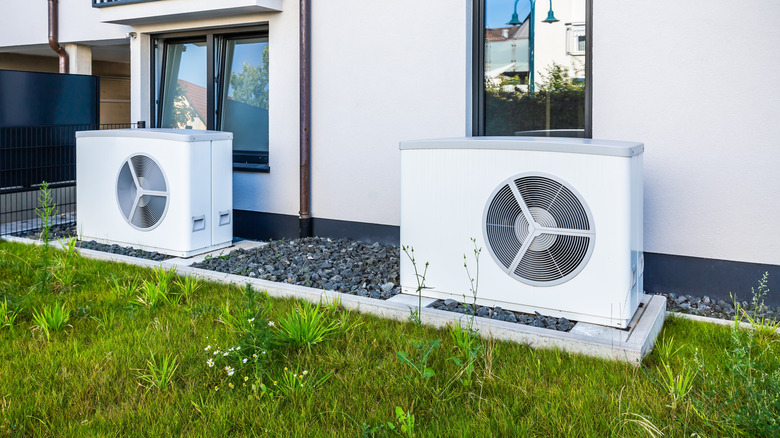
While the U.S. doesn't currently have any all-new heat pump systems under construction, cities like New York already have steam-based heating systems. It's the reason that you frequently see steam rising from New York's roads, and some systems been in place since the late 19th century. In many of the city's apartment blocks, a boiler heats water to turn it into steam, which is then pumped around the block's radiator system. This can cause certain apartments to be overheated, which is why you might see some apartments with their windows open in winter. In recent years, New York State has launched a clean heat initiative to encourage building owners to switch to more efficient modern heat pump systems.
Homeowners across the rest of the country can also potentially benefit from individually installed heat pump systems, even if you don't live in an area with a shared or district-wide heating system. Installing a ground source or air source pump is a great way to make the switch to renewable energy in your home, and as well as providing heating during the colder months, the system can be reversed to provide cooling during the hottest days. You could even install a water source pump, like the giant pump in Mannheim, should you have a suitable lake or pond on your property.