

The Era Of Affordable High-RAM Laptops Could Be Coming To An End
For decades, the consumer PC market operated under a fundamental assumption: computers would get more powerful every year, and costs would continue to fall relative to processing power. Until now, that assumption has mostly held true. Laptops are faster and more powerful than ever, with better displays, and this is true at every price point and across every major brand. But 2026 is shaping up to be the year things fall apart, promising to bring more expensive laptops with downgraded specifications.
The final few months of 2025 have seen AI making common PC upgrades painfully expensive, with RAM — specifically DRAM, which is most commonly found in consumer electronics — skyrocketing in price and SSDs likely next in line for similar hikes. As of December 2025, the situation has only grown more dire, with Micron announcing that it was shutting down Crucial, its consumer-facing brand, to focus on selling its memory stock to the AI industry.
In 2026, we can expect to see more expensive laptops with worse specs than in 2025. Amid shrinking DRAM inventories for consumer goods, laptop manufacturers will be paying a hefty premium for memory. Left with a choice between cutting into their margins or raising prices, reports indicate companies will choose the latter. But they will also be cutting back on the amount of RAM included with new models. Here's what we know right now about how laptop manufacturers are responding to the AI-driven memory squeeze.
Look forward to higher prices and worse laptop specs in 2026
Alarm bells are now ringing from every corner when it comes to laptop pricing for 2026. A TrendForce report from mid-December 2025, for example, revealed that manufacturers plan to downgrade specs and increase prices. The perfect storm of limited RAM supply and a massive spike in demand from the AI industry, which needs memory for its data centers, means that the blame cannot be placed squarely on computer manufacturers. Even so, consumers are likely to balk at the notion of paying more for less, especially when modern operating systems and applications require a lot of memory. Companies, including Lenovo and HP, have built up stockpiles of RAM to postpone spec shrinkflation, but those reserves will run dry eventually.
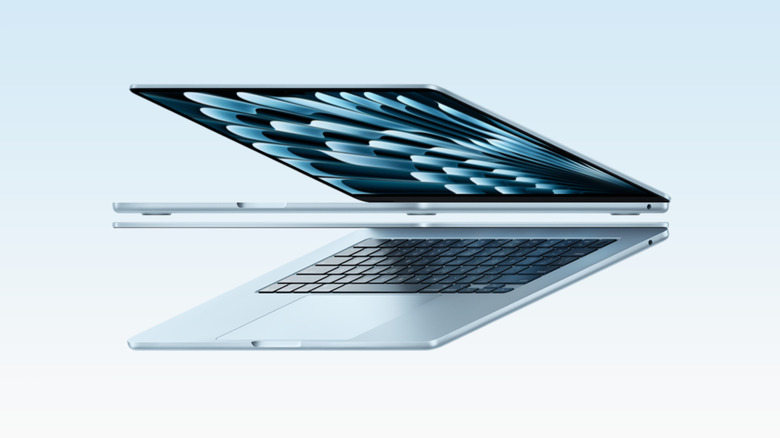
Entry-level laptops will actually take the softest blow, with TrendForce suggesting that 8 GB will remain the standard. 16 GB configurations were slowly becoming the new standard, as seen in Apple's decision to make 16 GB the minimum configuration in this year's well-received MacBook Air, but that's likely to slow down. Apple hasn't confirmed whether new MacBooks will be bumped back to 8 GB, but the report shows that premium laptops are likely to suffer larger cuts.
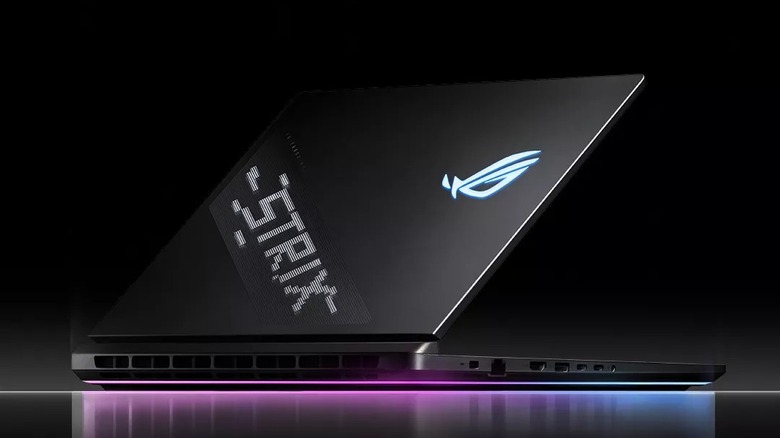
TrendForce expects midrange configurations to slip back to 8 GB of RAM, with high-end models dropping back to 16 GB. This will be a bigger problem for gaming laptops, especially if consumer GPUs see a concurrent reduction in VRAM. Consumers are accustomed to buying up if they want beefier specs, and that's where the pressure will be felt most. For example, Dell's upcoming enterprise laptop prices leaked in December, showing that the company will charge up to $230 more for 32 GB RAM configurations.
Smartphones, tablets, and more will see the same shrinkflation
Laptops and PCs are the devices most associated with RAM, but a wide variety of devices require some form of memory, all of which is fabricated from the same supply of silicon. Smartphones will also be heavily affected, as will electric vehicles, gaming consoles, TVs, VR headsets, smartwatches, and many other products. Every company is competing for a share of the remaining scraps of RAM left over from the AI industry's Belshazzarian feast.
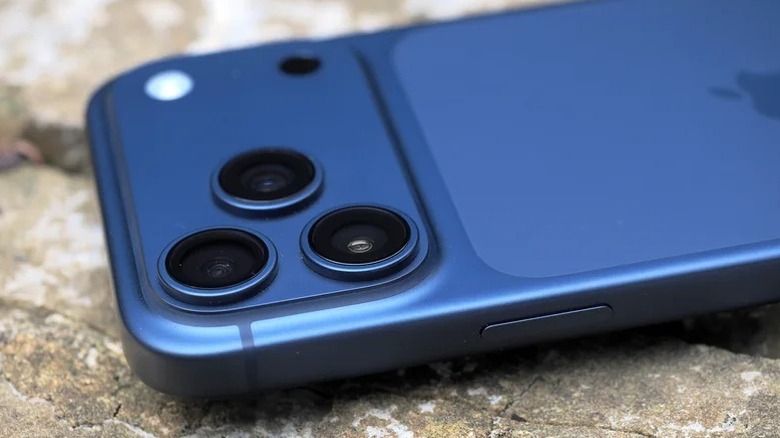
Take smartphones, which TrendForce projects will undergo RAM austerity in 2026. High-end phones and tablets, like the Samsung Galaxy Z Fold 7 and Apple iPhone 17 Pro, have generally boasted 12 to 16 GB of RAM recently. For 2026, however, 12 GB may be the new maximum. Meanwhile, 12 GB configurations are projected to disappear from the mid-range segment. On the low end, 8 GB of RAM has become more common recently, but new models are expected to revert to 4 GB. That will severely limit the capabilities of low-end smartphones, especially when running local AI tools.
Unlike x86-based PCs and laptops, which often have discrete, user-upgradeable RAM, smartphones and tablets (along with other ARM-based devices) use a system-on-a-chip (SoC), where RAM is often built directly onto the main module alongside the processor and cannot be upgraded. Anyone who buys one of these downgraded new devices will be stuck with however much RAM the devices ship with until they purchase a new device.