

The Luxury Hybrids With The Lowest Customer Satisfaction Rating, According To Consumer Reports
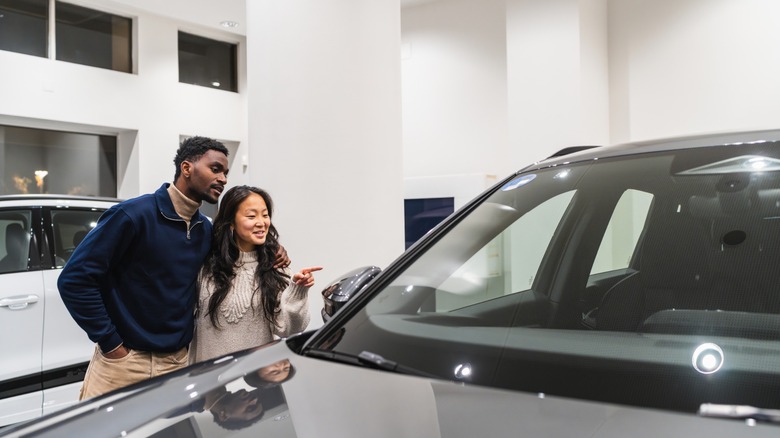
For anyone shopping for a luxury plug-in hybrid (PHEV), Consumer Reports' data on new hybrids and EVs suggests you think twice before picking any of the following options: the 2026 Volvo XC60 Plug-in Hybrid, the 2026 Mercedes-Benz GLC Plug-in Hybrid, or the 2026 Alfa Romeo Tonale. They're not terrible vehicles by any means, but each one scores below 70 out of 100 on predicted owner satisfaction.
So, what's causing these vehicles to lose points? On paper, PHEVs offer a sweet deal to those who want the best of both worlds: electric and gas. It also means you get to save a few dollars at the pump, considering they generally burn less fuel than a conventional SUV. But specs are one thing. Living with the car for months, then years, is another. Buyers who choose luxury vehicles expect premium experiences across every aspect, from performance and comfort to technology and reliability. Failure to meet that standard only creates disappointment.
After all, no one likes to pay a premium only to get anything less. Now, these are relatively new vehicles. However, Consumer Reports has meticulously gathered data from multiple owners to provide a reliable measure of the day-to-day ownership experience. Without further ado, let's get into all the reasons these are not among the most satisfying cars available today.
2026 Volvo XC60 Plug-in Hybrid
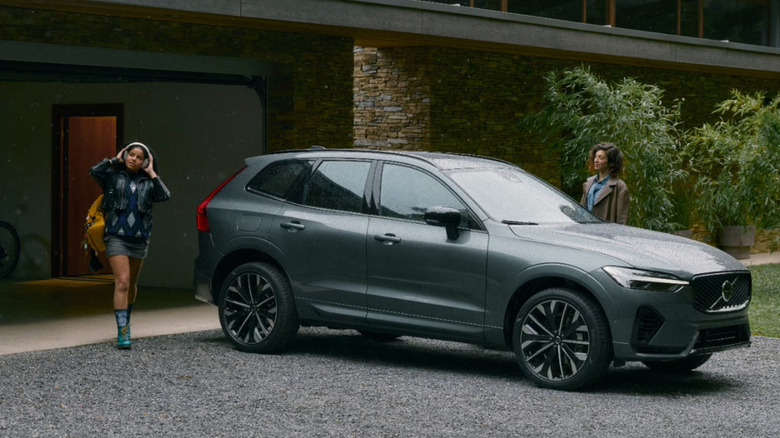
The XC60's cabin features clean lines, sustainable materials, and an 11.2-inch center touchscreen that controls most vehicle functions. Under the hood, the plug-in powertrain pairs a turbocharged four-cylinder engine with an electric motor, producing a combined 455 horsepower in the top Recharge trim. And according to Volvo, the XC60 is a capable all-rounder.
So where does the satisfaction gap come from? Our very own Travis noted in his review of the Volvo XC60 that the tech is where things get disappointing. And he's not alone in making this observation. Several other auto reviewers from Edmunds and Autoblog have remarked that the infotainment screen feels less than premium, like Volvo just tacked an iPad to the dashboard.
Because it's mostly touchscreen, adjusting fan speed requires multiple screen taps, which means more time looking away from the road. Then there's the A/C: when the auto stop-start system kicks in at a red light, airflow drops to almost nothing. It doesn't snap back immediately either. On a hot day when your cabin's been baking in the sun, that can be pretty annoying. For a vehicle starting above $62,000 in plug-in hybrid form (and climbing past $80,000 in Polestar Engineered trim), owners expect technology that enhances the driving experience and feels every bit of premium as the price tag suggests.
2026 Mercedes-Benz GLC Plug-in Hybrid
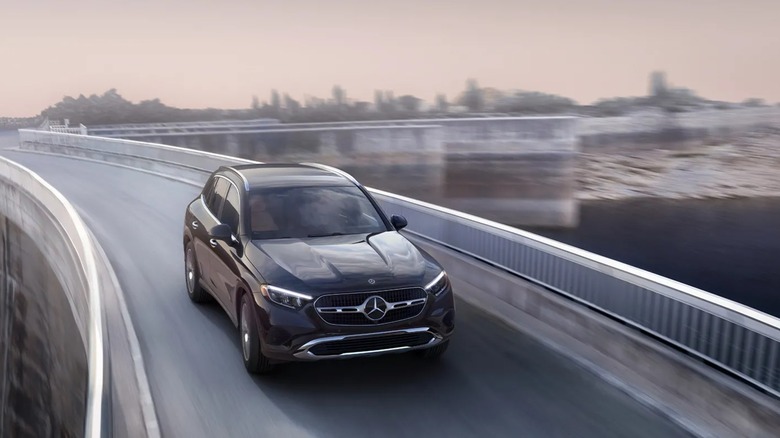
The GLC has been one of Mercedes-Benz's most successful models, largely because it blends comfort, size, and elegance in a way that works for most people. In the plug-in hybrid GLC 350e, you still get that refined Mercedes feel, plus an EPA-estimated 54 miles of electric range from a 23.3 kWh battery. And on paper, that ought to be an advantage. That's because the system pairs a 2.0-liter turbo four with an electric motor for 313 horsepower and 406 pound-feet of torque, which should be plenty for a luxury SUV.
The issue, however, is what that big battery does to the rest of the driving experience. It adds over 700 pounds, and the car ends up slower than the lighter gas-only GLC 300 in testing, even though it has more power. You can also feel hesitation when you floor it, as the hybrid system takes a moment to blend the power sources. That lag feels out of place in a luxury vehicle where you expect instant, confident response.
As for MBUX, Mercedes' infotainment system, the GLC leans heavily on touch and haptic controls. And for some drivers, it takes a while to get the hang of it. Beyond that, there's the value question. The GLC 350e starts around $60,300, about $9,000 more than a comparable GLC 300. That premium makes sense if you can charge often and keep most days under about 50 miles. Because once that battery drains, you are hauling battery weight while the vehicle runs like a regular SUV.
2026 Alfa Romeo Tonale
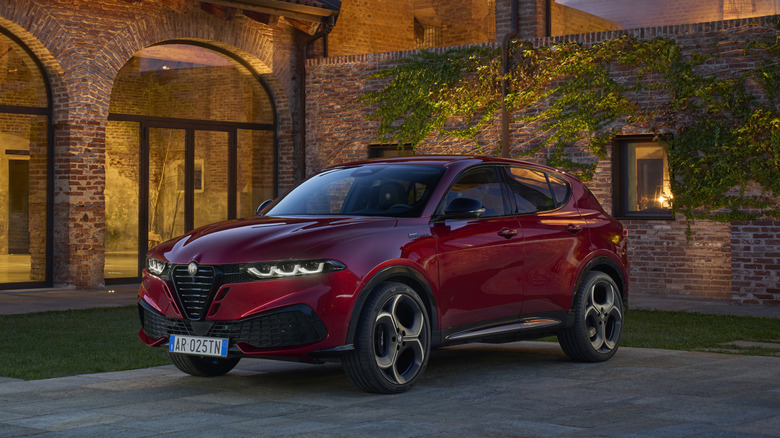
At the bottom of the list is the Tonale plug-in hybrid, Alfa Romeo's first plug-in SUV, which is already on the way out in the U.S. for 2026 due to low demand. On the surface, the Tonale checks the right boxes. It looks good, with Alfa's signature grille, sculpted bodywork, and available 20-inch wheels that give it more presence than most compact luxury SUVs. The plug-in setup combines a 1.3-liter turbo four up front, an electric motor on the rear axle, 285 horsepower, and all-wheel drive. With around 33 miles of electric range, it can handle the average commute, and it reaches 60 mph in the mid-5-second range.
The problem is how those numbers translate on the road. The handoff between gas and electric can feel more obvious than you want in a luxury SUV, and Road & Track describes the blend between regenerative and friction braking as generations behind what most rivals manage. Additionally, when you put a small turbo engine to work, it sounds busy rather than satisfying, and the steering does not deliver much feedback.
But the biggest drawback might be the reality of owning the car. Alfa's U.S. dealer network is getting smaller, and the brand's North American leadership has recently admitted that without improvement, it could keep losing more dealers. With about 110 dealerships spread across the entire country (Florida leads with 17, California has 10), depending on where you live, getting service can mean a really long drive. Add the fact that Alfa Romeo has dropped the plug-in hybrid after just two model years, and you get the sense that even the company recognized the formula was not working.
Here's the thing about plug-in hybrids
When a PHEV is designed and executed well, it can be genuinely great. If the range covers your daily commute, you spend less on fuel. On the other hand, you don't get the range anxiety when traveling on longer trips. But when the execution isn't quite there, it's hard to justify the spend. That's the common thread with these three vehicles.
The Volvo XC60 has the looks and the power, but the interior, which relies too heavily on the touchscreen, creates little annoyances that build up every day. Likewise, the Mercedes GLC 350e delivers impressive range and the expected classic Mercedes luxury feel, but the extra weight and a bit of throttle lag really hold back what should be a premium driving experience. And while the Alfa Romeo Tonale is easily the best-looking car in the segment, the powertrain integration isn't smooth. Plus, you can't ignore the hassle that its shrinking dealer network presents if this is a car you intend to own long-term.
Now, this isn't to suggest you should disregard these vehicles entirely. If one of them truly offers what you need—maybe you're set on the XC60's safety features, or the GLC's electric range just about does it for your everyday commute, or the Tonale's style just absolutely speaks to you— there are features that compensate for it. However, if you're comparing luxury PHEVs to find the smoothest, least-stressful ownership experience, Consumer Reports' data strongly indicates that the BMW X5 and the Lexus NX plug-in hybrids are more satisfying alternatives to consider.