

Space Heaters Aren't The Only Home Fire Threat When Keeping Warm This Winter
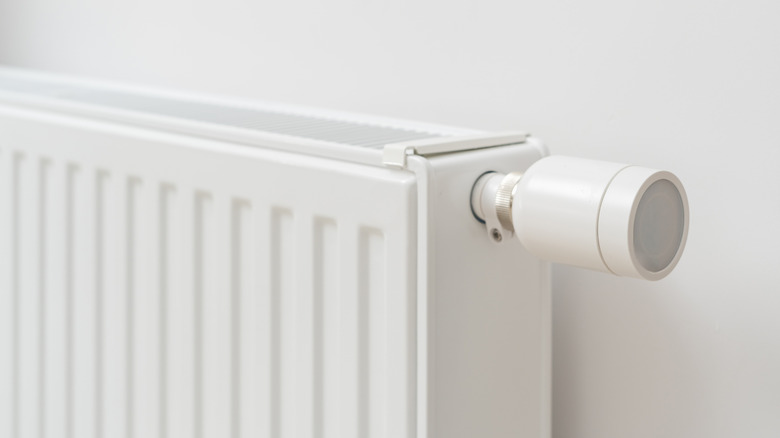
Winter is upon us, and one of the most important parts of winter, at least at home, is staying warm. There are multiple different ways to do that, of course, not the least of which is setting up an electric space heater in your home. The staying-warm benefits are quite obvious, but if you're not careful with one of these devices, it could lead to a house fire. One of the main causes for that is plugging the space heater into a power strip.
However, as aware as we may be, and as common as house fires due to space heaters may be, there are a few other devices that are keeping us warm during the winter that can also lead to house fires. Let's say you have a portable generator at home, which is useful if you live in an area where power outages happen frequently. Or maybe your decorations include candles, which are frequently lit, and, not to mention, fireplaces. All of that can cause a house fire.
How to prevent fires during the winter
Obviously, space heaters can cause fires because of the aforementioned power strip issue, but there are several other reasons. A family member might have left some type of fabric on or near the heater, and the unit inadvertently set fire to the piece of fabric. A pet or a robot vacuum can knock over a space heater, the latter admittedly only if it's a small one, which can set fire to a carpet or other flammable materials.
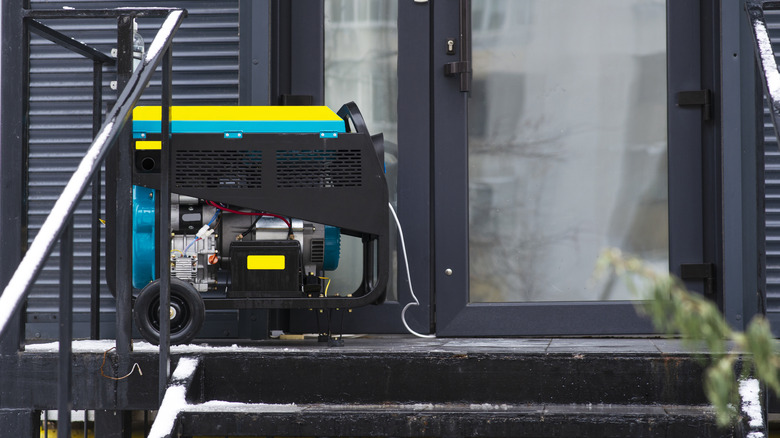
If you have a home generator, properly preparing it for operation in winter is key to avoiding almost all issues, including fires. Check the maintenance schedule, replace and repair everything that looks bad or is making weird noises, and prepare it to come to life in the case of an outage before it happens; otherwise, you'll have quite a handful on your hands.
While candles provide an excellent vibe around the house, especially during the holiday season, do not leave them burning constantly. Light them with specific long-handle lighters; if you have one, don't put them near any fabrics or anything easily flammable, put them on heatproof surfaces, and always blow them out before leaving the house; dab the wick with a little water if you need to.
For those of you who still have an actual fireplace, make sure there's nothing flammable in the vicinity, only use seasoned wood (or specific kindling) and proper firestarters, and clean your chimney from creosote annually; chimney fires are no joke. If you take all of these precautions, you'll almost certainly have a warm and safe winter.