

China Cracks Down On Smugglers Exporting Crucial Tech Minerals
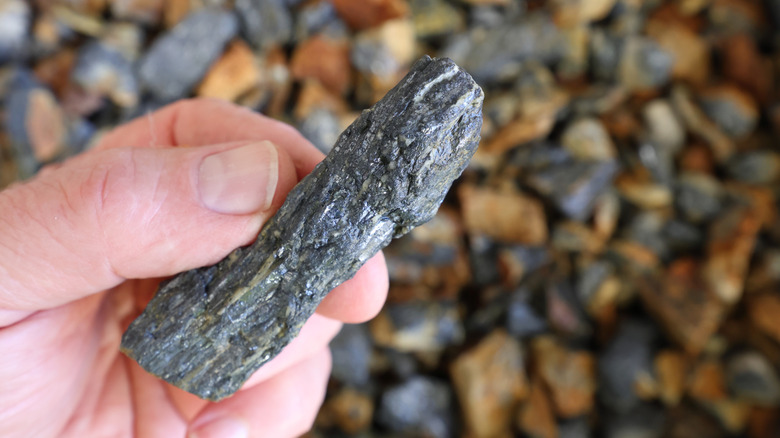
A Chinese court sentenced dozens to prison (and slapped them with some heavy fines to boot) after they illegally exported tons of antimony, a mineral needed for building many tech components. The Shenzhen Intermediate People's Court said the 27 defendants were all guilty of shipping the ingots overseas without the required government licenses. That's a crime in direct violation of national export control policies put into place back in late 2024. The two dozen prison sentences are all evidence that Beijing isn't playing around about control of the land's critical minerals and other rare earth elements.
The most severe punishment was reserved for the ringleader, Wang Wubin. He received a 12-year prison sentence and a fine of 1 million yuan, or roughly $142,000. The other defendants were fined and given penalties ranging from short months-long jail terms to more substantial multi-year sentences. The court said the group smuggled more than 166 metric tons of antimony earlier this year, with customs authorities intercepting as many as 96 tons before it could leave the country.
The ruling comes at a very controversial time for Chinese exports
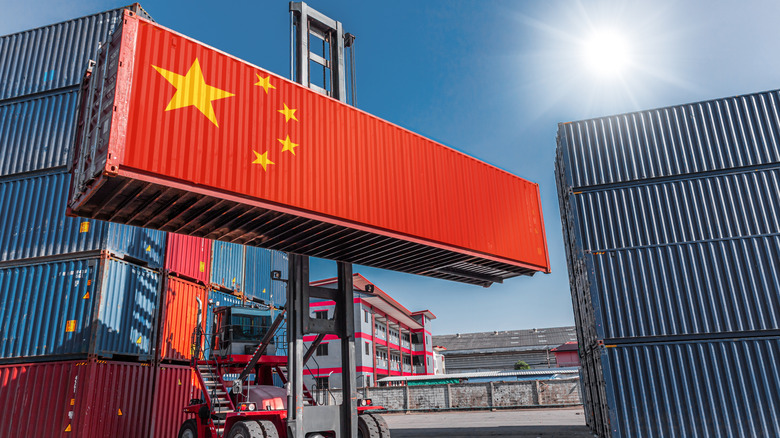
For China, antimony is an especially touchy subject. (And not just because the country is the world's top producer of the metal.) Antimony is needed to manufacture everything from chips to energy storage systems to advanced military weapons and beyond. Beijing formally added antimony to its export control list in September 2024, right alongside other closely watched materials such as gallium and germanium. These materials, China believes, are especially key to its military power, its economic health, and its industrial success. Of course, these new measures triggered major price spikes and reshaped global supply chains outside of the country. As such, international manufacturers and traders started looking for alternative ways to get their hands on antimony... even if that means smuggling it.
This whole ordeal comes just weeks after China said it would lift the export ban on certain strategic metals to the United States. That move was seen as a goodwill gesture in hopes of easing trade tensions between China and the U.S. But the metals are still subject to a licensing system that requires government approval before they can be shipped out. Clearly, given these 27 prison sentences, any attempt to exploit loopholes or informal channels will be met with the most severe of consequences.